What is recorded here
According to Bradley et al. (1986, vol. 2, 161-63), Adam de Hereford granted the church of Cloncurry to St. Thomas' Abbey, Dublin. In a later grant (1206-14) the church was named as SS Mary and Martin, but was still referred to as St. Ninian's in 1491. At the centre of a small graveyard (KD004-021010-) on an early ecclesiastical foundation (KD004-021002-) which was subsequently developed as an Anglo-Norman borough (KD004-021001-). The fairly poorly preserved remains of a 15th century structure comprising a nave (int. dims. L 20.75m; Wth 8m) and rebuilt chancel (int. dims. L c. 10m; Wth 5.7m) of roughly coursed limestone masonry. Most of the quoins are missing but the door jambs are of limestone and sandstone. The nave is represented by the S and W walls (both battered and the latter standing close to full height) and the collapsed rubble of the N wall. There is a centrally placed rectangular doorway with a segmental arch in the S wall and to its E only lower courses of walling survive. The W gable has two narrow pointed opes with narrow splays and round rear arches and is capped with a double bellcote. A gap in the collapsed masonry of the N wall may indicate a second doorway, opposite the one in the S wall. The junction between the nave and chancel is missing and the chancel was rebuilt as an Aylmer mausoleum in the 18 century when the original window in the E gable was blocked up and a modern window inserted. There is also an inserted window in the N wall. The S wall of the chancel is featureless except for an inserted cusped ogee-headed ope with concave chamfers of pink sandstone, at the W end. The surviving remains may post-date 1405, when the village of Cloncurry was burnt (Gilbert 1889, 268; Killanin and Duignan 1967, 312; Meagher 1979-80, 118)
Compiled by: Gearóid Conroy
Date of upload: 10 June 2011
The church at Cloncurry was granted to St. Thomas' Abbey, Dublin, by Adam de Hereford in the late 12th or early 13th century and was later dedicated to SS Mary and Martin. Its significance lies in its medieval ecclesiastical connections and the historical record of its endowment.
The monument record does not grant public access. Check the route and ask the landowner before entering private land.
- What survives
- Recorded monument
Places near here
 Cloncurry GraveyardHeritage attraction · 6 yd
 Grave YardGraveyard · 12 yd
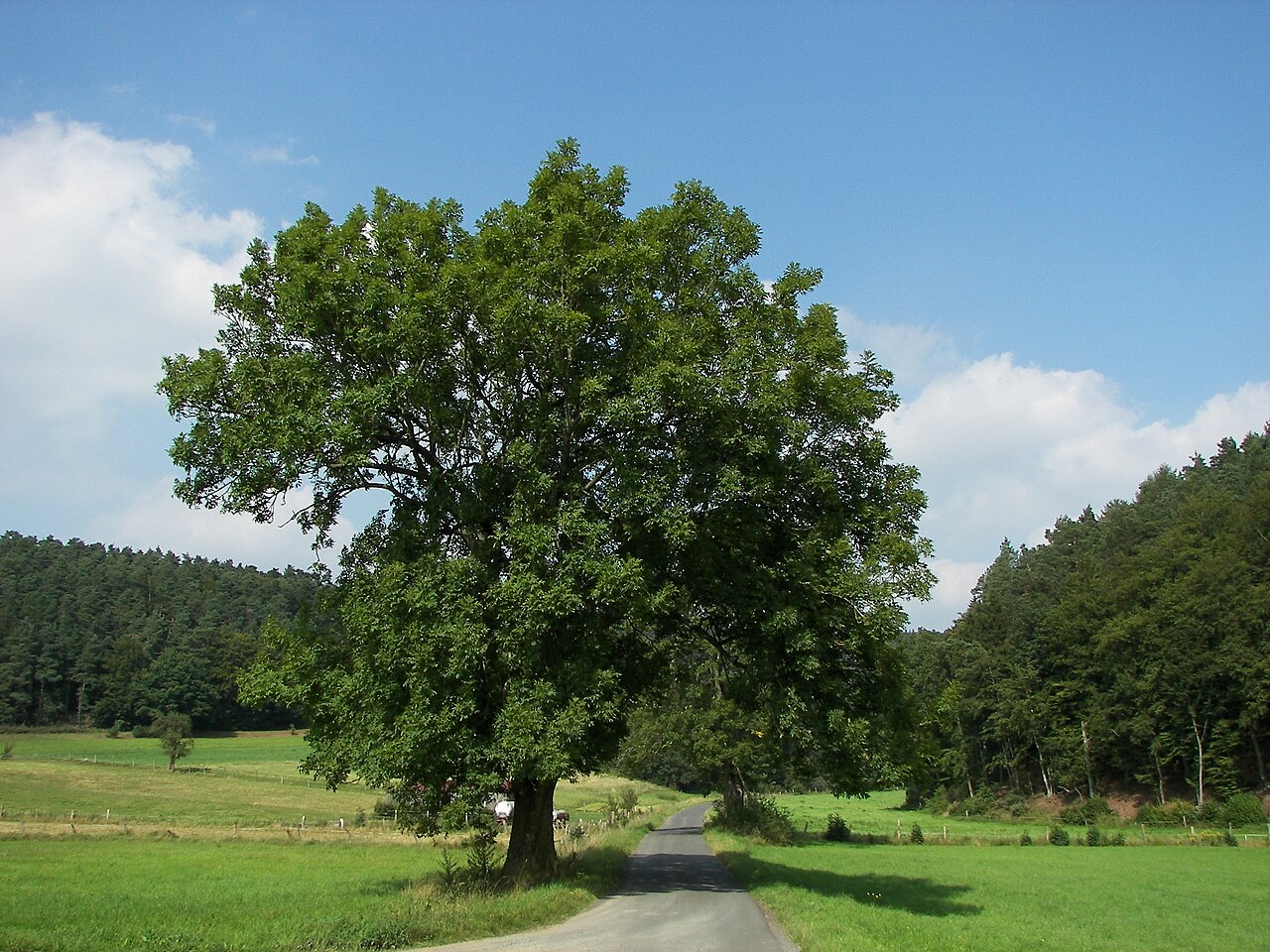 European ashEuropean ash · 94 yd
 Cloncurry MoatCastle, motte · 98 yd
 Enclosure in Cloncurry (ikeathy & Oughterany By., Cloncurry Ed)Enclosure · 162 yd
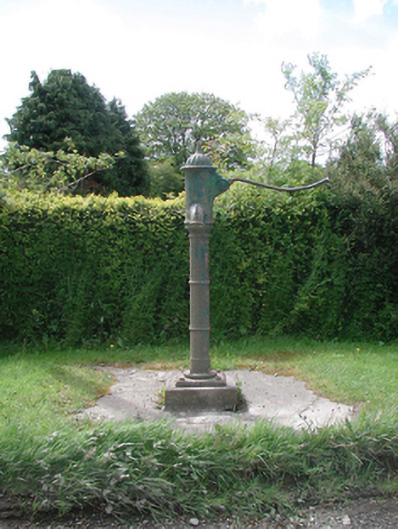 water pumpwater pump · 374 yd
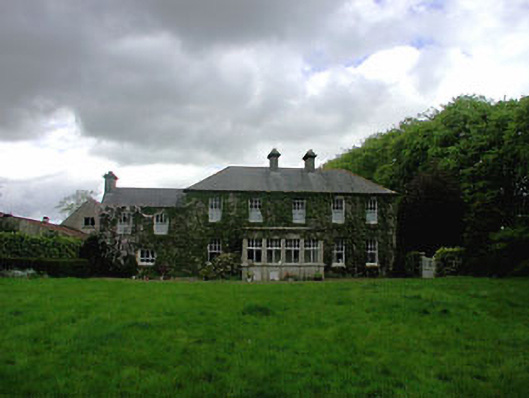 Ballyvoneen Househouse · 880 yd
 Old Bog Road made famous by Teresa Bryton 1868-1943Memorial · 1.3 mi
 Site of Dunfierth CastleCastle, unclassified · 2.4 mi
 Kilgar GardensHeritage attraction · 3.7 mi
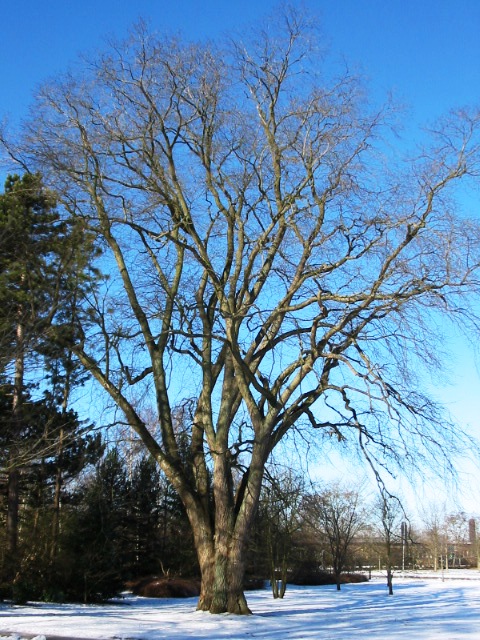 Wych ElmWych Elm · 4.0 mi
 Mass was there in Penal TimesMemorial · 5.2 mi