What is recorded here
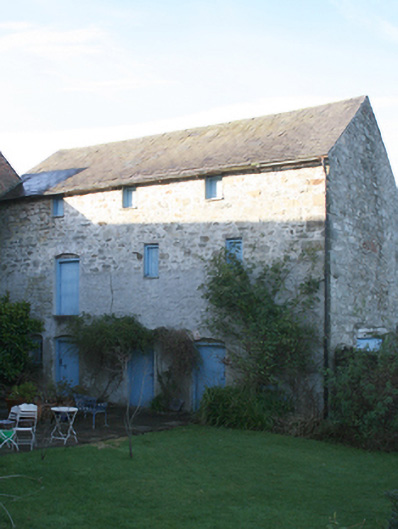
Formerly detached three bay three-storey former warehouse\store, built c. 1860, having gablet to the west elevation. Now out of use\in use as outbuilding. Pitched natural slate roof with projecting cut stone eaves courses, grey clay ware ridge tiles, and cast-iron rainwater goods. Pitched natural slate roof to gablet to the west elevation. Random rubble stone walls with flush roughly squared stone block-and-start quoins to the corners. Section of walling under gablet to the west elevation now infilled with blockwork. Square-headed window openings\loading bays having battened timber shutters, tooled stone lintels and some stone sills. Blocked square-headed window opening to the north elevation at first floor level, now infilled with rubble stone, having red brick voussoirs. Segmental-arch door openings and loading bays to the east elevation having red brick relieving arches and battened timber doors. Altered square-headed carriage-arch to the north elevation having concrete lintel, and modern battened timber double-doors. Set slightly back from road to the north end of the quayside, Ramelton, and to the north-east of the centre of the town. Sections of rubble stone boundary wall adjoining to the east and west; enclosed yard adjacent to the west having rubble stone boundary walls. River Leannan adjacent to the north. Complex of former warehouses\stores adjacent to the west and the south-west (see 40800405 to 40800409).
This impressive and imposing former warehouse\store forms part of an important collection of buildings of this type aligning the historic quayside at Ramelton. Although out of use for a period, it survives in relatively good condition with only limited modern intervention. Its integrity is enhanced by the retention of salient fabric such as the natural slate roof. It is robustly constructed in rubble stone masonry, a feature of the surviving warehouses at Ramelton. Although the battened timber doors and shutters are modern replacements, they are in keeping with the historic character of the building. The gablet to the west elevation formerly housed a hoist\winch; the loading bays under this are now infilled. This attractive building serves as an historic reminder of the town’s industrial and maritime heyday during the late eighteenth and nineteenth centuries. Ramelton prospered during the eighteenth and nineteenth century as a major port with trade with Britain, Norway, America, and the Caribbean, particularly important (there are accounts of ships from the Caribbean anchored in Lough Swilly and unloading exotic cargoes at Ramelton in exchange for linen, corn, meat and fish). Ramelton had the most important linen works in Donegal and many fortunes were made in the locality in its trade. The Watt family ran the largest linen works in the area by the start of the nineteenth century and were heavily involved in its trade (Samuel Watt moved to Jamaica in the early 1800s and began importing linen from Ramelton, with his brother James as agent). Corn was another major commodity in the area during the eighteenth and nineteenth centuries with a number of large mills still surviving in the area. The surviving warehouses, particularly aligned along the north end of the quay, attest to the level of trade and commerce in the Ramelton area. Slater’s Directory of 1846 records that ‘vessels of up to one hundred and fifty tons burthen can come up to the quayside [at Ramelton] at high water, and others, almost of any tonnage, can approach within half a mile of the town’. The town and port declined in importance towards the end of the nineteenth century, and the establishment of a railway line to nearby Letterkenny in 1909, with no rail link being built to Ramelton, hastened this decline. This former warehouse\store forms part of an important collection of industrial structures that contributes substantially to the almost unique character of the town of Ramelton, and is an integral element of the built heritage of County Donegal.
This does not grant access. Most recorded buildings are privately owned; view them only from public ground unless the owner allows entry.
Places near here
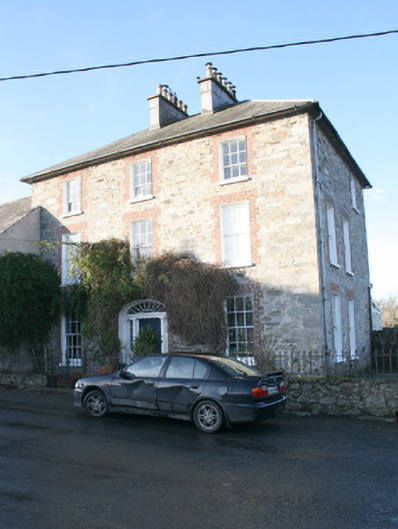 Mill Househouse · 24 yd
 Bawn in RathmeltonBawn · 41 yd
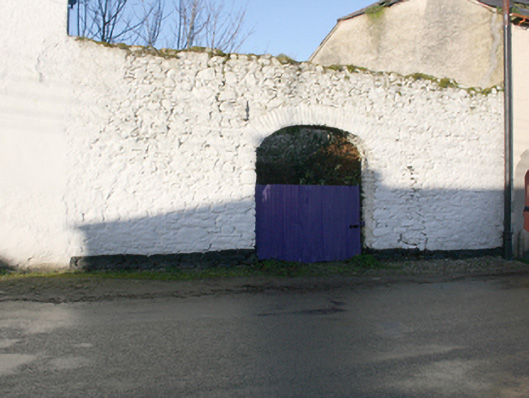 gates/railings/wallsgates/railings/walls · 59 yd
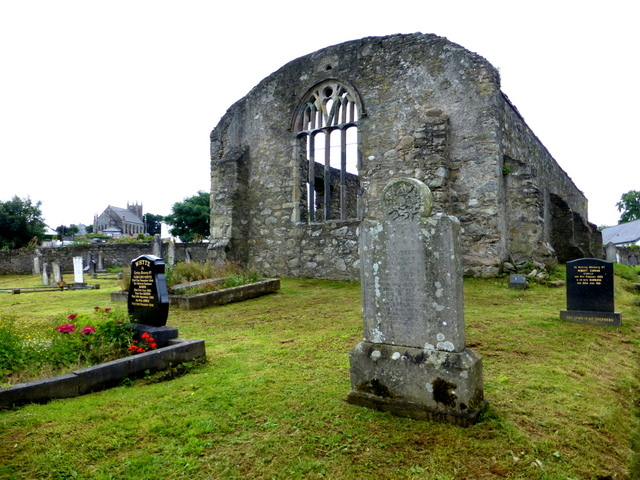 Tullyaughnish Old Church GraveyardGraveyard · 440 yd
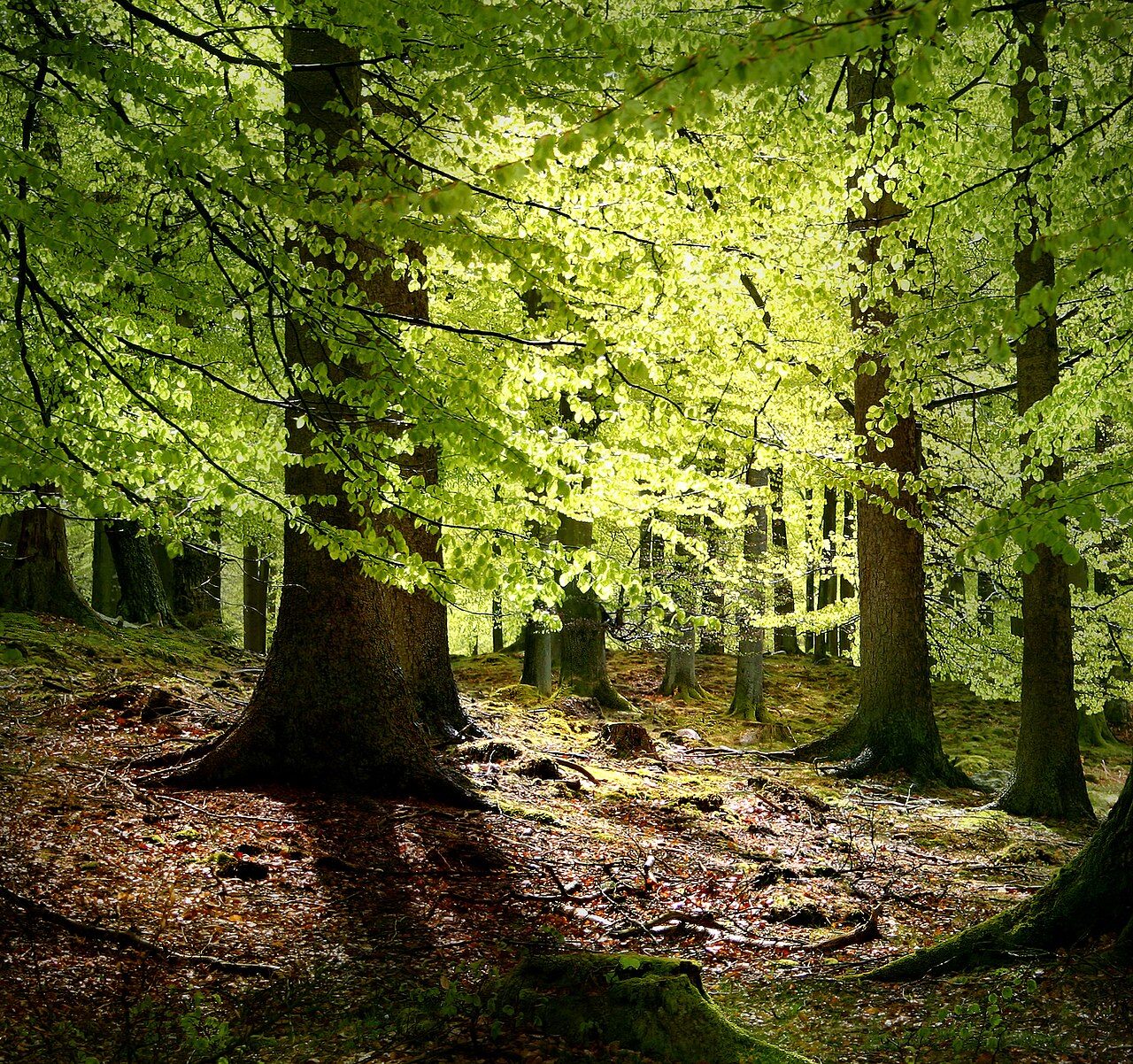 European BeechEuropean Beech · 976 yd
 Drummonaghan WoodForest recreation place · 1521 yd
 Ardnaree Raised Fairy FortFairy fort / earthen ringfort · 1.5 mi
 Carnhill Stone Ringfort near the Ruined ChurchFairy fort / stone ringfort · 1.8 mi
 Fort Stewart in RuinsBawn · 2.9 mi
 Mullanadee ShoreBeach / strand · 4.8 mi
 Croaghan HillMountain / peak · 5.2 mi
 RathmullanOfficial bathing water · 6.0 mi
Other information
Photo: National Inventory of Architectural Heritage · Website use allowed for educational or private purposes with source credit