What is recorded here
Kilgreany is a limestone cave on a steep Waterford escarpment where people buried the dead, hid treasure and lit fires across centuries. A crouched man and woman rest beneath ancient stones beside elk, reindeer and bear bones, while disturbed layers preserve fragments of Neolithic ritual, Bronze Age loss and medieval life. The chambers remain open, holding darkness that has swallowed several ages without emptying.
This is a limestone cave on a SW-facing escarpment (H c. 10-15m) which was investigated in 1928 by Tratman (Tratman et al. 1928). He recovered the bones of domestic animals as well as elk, reindeer and bear, together with the remains of at least two humans. The crouched male burial called Kilgreany B was thought to be Palaeolithic in date by Tratman (ibid. 120) because of its association with upper Pleistocene fauna.
Further investigation at the cave by Movius (1935, 282) concluded that Kilgreany B was more likely to be Neolithic in date. Kilgreany B has now been dated by C14 analysis to 4820 ± 60 BP, which is closely contemporary with the C14 date of 4580 +- 150 from the burial Kilgreany A, a crouched female (Molleson 1985-6), and possibly another five burials from similar contexts. The burials appear to have been laid on the cave-floor and partially protected by cairns, rather than inserted into the floor.
The strata at the cave had been disturbed by fluctuating water-levels, but an interpretation of human activity there consisting of three phases - Neolithic burial, the deposition of a possible Late Bronze Age hoard, and early medieval occupation represented by hearths - can be made (Dowd 2002). The outer (dims. c. 6m x c. 6m; H c. 4m) and inner (dims. c. 4m x c. 4m; H c. 4m) chambers are still accessible.
Dowd, M. A. (2002) Kilgreany, Co. Waterford: biography of a cave. JIA 11, 77-97.
Molleson, T. I. (1985-6) New Radiocarbon dates for the occupation of Kilgreany cave, County Waterford. JIA 3, 1-3.
Movius, H. L. (1935) Kilgreany cave, Co. Waterford. JRSAI 65, 254-96.
Tratman, E. K., Jackson, J. W. and Fawcett, E. (1928) Report on excavations in Ireland. Proc. Bristol Un. Spel. Soc. 3, 109-53.
The above description is derived from the published 'Archaeological Inventory of County Waterford' (Dublin: Stationery Office, 1999). In certain instances the entries have been revised and updated in the light of recent research.
Revised by: Michael Moore
Date of upload: 11 August, 2011
This limestone cave formed through dissolution processes typical of karst landscapes. Tratman's 1928 investigation uncovered bones of domestic animals, elk, reindeer, and bear, suggesting both natural deposition and possible early human activity in the area.
The monument record does not grant public access. Check the route and ask the landowner before entering private land.
- What survives
- Recorded monument
Places near here
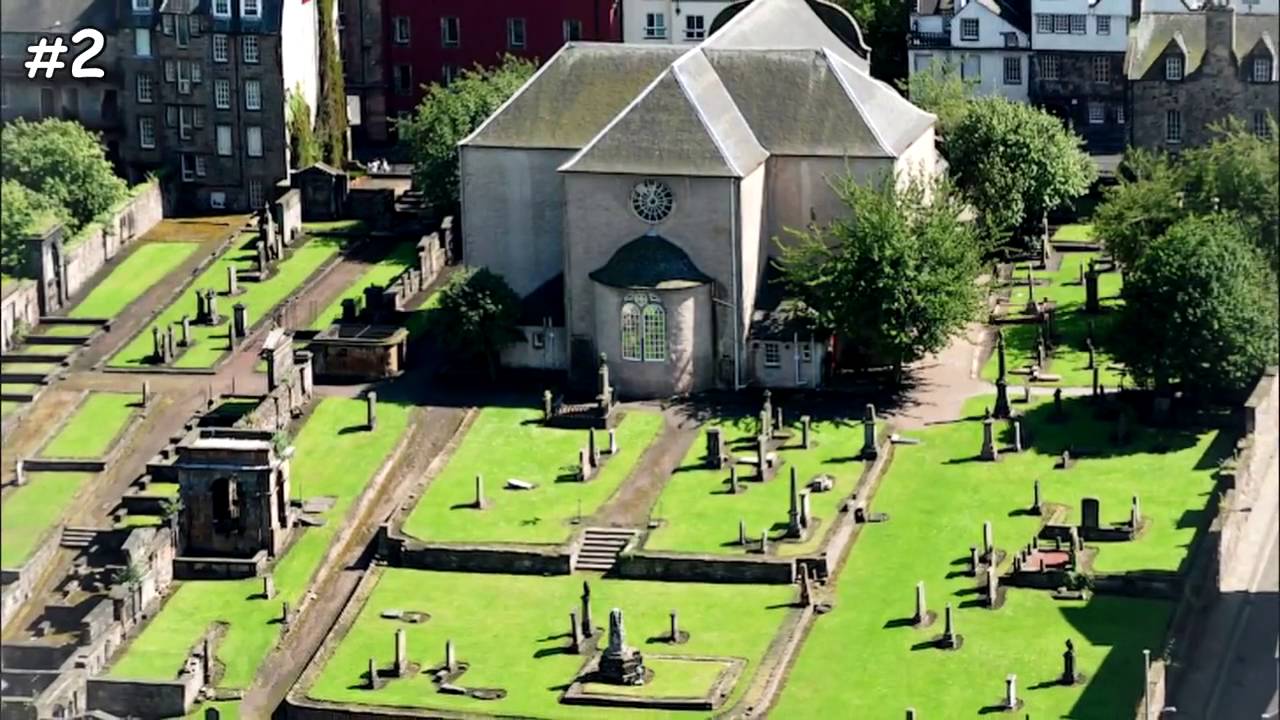 Burial in Kilgreany (decies Without Drum By.)Burial · 1 yd
 Kilgreany CaveCave · 9 yd
 Grave Yd.Graveyard · 1002 yd
 Whitechurch Churchchurch/chapel · 1018 yd
 IndicatedBawn · 1.0 mi
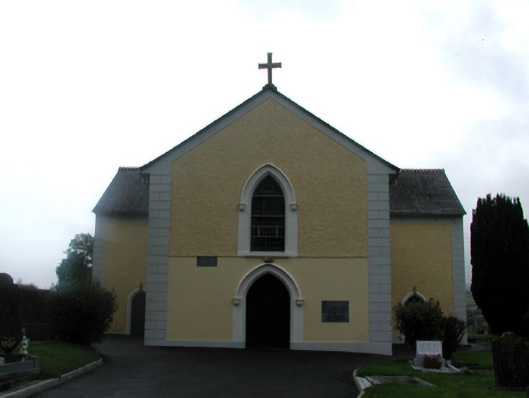 Saint James's Catholic ChurchOfficially recorded historic building · 1.1 mi
 Abbey (in ruins)Castle, tower house · 1.4 mi
 Master McGrathMemorial · 3.0 mi
 Dromona HillMountain / peak · 4.1 mi
 Battle of AffaneMajor battlefield · 4.3 mi
 Saint Declan's Holy WellSpring · 4.4 mi
 Dromana GateHeritage attraction · 4.5 mi