What is recorded here
This is a limestone cave (Wth c. 4m; H 2m; L c. 15m) on rock outcrop at the top of an E and N-facing slope that was investigated by R.J. Ussher in 1879. Five strata in total were recognised. Animal remains including elk, deer, pig, cattle and sheep were recovered from the upper two layers in association with artefacts which are probably Neolithic in date. (Leith adams et al. 1876; Ussher et al. 1881; Anon. 1895; Ussher 1906; Coleman 1947, 67)
Anon. (1895) Notes and queries - “Cave-hunting” WAJ 1, 192-3. Colman, J. C. (1947) Irish cave excavtion. JRSAI, 77, 63-77. P. (1895d) Notes and queries - “Cave-hunting” WAJ 1, 192-3. Ussher, R. J. (1881) The record of the caves. Waterford Literary and Scientific Association. Waterford. Ussher, R. J. (1906) Discoveries in Irish and other bone-caves, WAJ 9, 8-9. Ussher, R. J., Leith Adams, A. and Kinahan, G. H. (1881) Abstract of a report on the exploration of Ballynamintra cave, Cappagh, near Dungarvan, PRIA 16C, 73-8.
This is a limestone cave (Wth c. 4m; H 2m; L c. 15m) on rock outcrop at the top of an E and N-facing slope that was investigated by R.J. Ussher in 1879. Five strata in total were recognised. Animal remains including elk, deer, pig, cattle and sheep were recovered from the upper two layers in association with artefacts which are probably Neolithic in date. (Leith adams et al. 1876; Ussher et al. 1881; Anon. 1895;…
From the National Monuments Service (Archaeological Survey of Ireland) record WA030-013
The monument record does not grant public access. Check the route and ask the landowner before entering private land.
- What survives
- Recorded monument
Places near here
IndicatedEnclosure · 577 yd Rockfield HouseHouse · 722 ydCappagh Railway StationRailway station · 838 ydKilgreany CaveCave · 1.2 miBattle of AffaneMajor battlefield · 3.3 miDromana GateHeritage attraction · 3.6 miMaster McGrathMemorial · 3.7 miTourin CastleCastle, tower house · 4.2 miSweet Chestnut4.3 miLondon Plane4.3 miOgham StonesOgham stone · 4.6 miStrancally CastleCastle · 5.8 mi
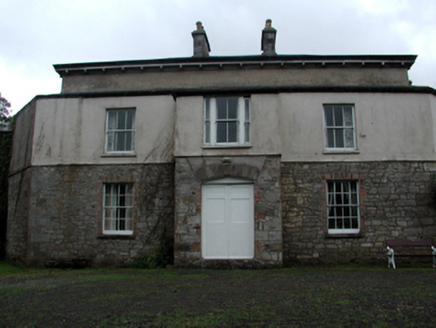 Rockfield HouseHouse · 722 yd
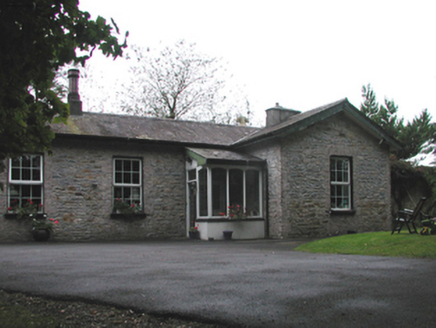 Cappagh Railway StationRailway station · 838 ydKilgreany CaveCave · 1.2 mi
 Battle of AffaneMajor battlefield · 3.3 mi
 Dromana GateHeritage attraction · 3.6 mi
 Master McGrathMemorial · 3.7 mi
 Tourin CastleCastle, tower house · 4.2 mi
 Sweet Chestnut4.3 mi
 London Plane4.3 mi
 Ogham StonesOgham stone · 4.6 mi
_(cropped).jpg/250px-Strancally_Castle,_1834_(IA_jstor-30004451)_(cropped).jpg "Photo: E. H. (E. Hayden), Wikimedia Commons · Public domain") Strancally CastleCastle · 5.8 mi
Strancally CastleCastle · 5.8 miPictures: National Inventory of Architectural Heritage; TheLizardQueen, Wikimedia Commons · CC BY 2.0; Liam Hughes, Wikimedia Commons · CC BY 2.0; BrendanLacey72, Wikimedia Commons · CC BY-SA 4.0; Mike Searle, Wikimedia Commons · CC BY-SA 2.0; Miguel Angel Masegosa Martínez, Wikimedia Commons · CC BY 2.0; Taken by Fanghong, Wikimedia Commons · CC BY-SA 3.0; Hywel Williams, Wikimedia Commons · CC BY-SA 2.0; E. H. (E. Hayden), Wikimedia Commons · Public domain
More caves in County Waterford · All of County Waterford
What do you know about this place?