What is recorded here
Castle, unclassified in Derryluskan is a lost castle in County Tipperary, Ireland. James Butler of Derrilouskan Irish Papist owned it in 1640. The castle may have been a fortified house or an earlier castle. Its stones likely reappeared in Derryluskan House, built around 1790.
According to the Civil Survey (1654-6) 'James Butler of Derrilouskan Irish Papist' was proprietor in 1640 and at time there were 'on the sd lands a Castle & two stone houses habitable' (Simington 1931, vol. 1, 187). The present Derryluskan House was built c. 1790 and was at least three-storeys over base, however the upper storeys were removed in 1947 leaving the present single-storey over basement house. There is a lot of dressed stone incorporated into the present house, including late medieval stone work with punch-tooling, some with drafted margins and later stone work with reamed surfaces. There is a limestone three-centred doorway (TS070-003003-) c. 30m E of the rear of the house. It is currently standing in field, on a very gentle E facing slope, under pasture. This doorway (H 1.94m; Wth 1.2m) is decorated with a double ovolo moulding of late 16th/early 17th century date which terminates with a horizontal rope moulding. There is no visible trace of a structure associated with this doorway and it likely that the doorway was re-used as a garden feature for Derryluskan house when the late 16th/17th house century fell into ruin or was demolished. The 'Castle' referred to in the Civil Survey may have been a fortified house or may have been an earlier castle incorporated or adjacent to one of the stone houses mentioned above. Though its precise location is unknown the re-use of late medieval stonework in the present house suggests that the castle was on or near the present Derryluskan House.
Compiled by: Jean Farrelly
Date of revised upload: 11 November 2014
James Butler, an Irish Papist, held the castle in Derryluskan in 1640; it is remembered as part of the landed estate recorded during the turbulent period of 17th-century Irish land ownership and conflict.
This remains an important historical record, but the official description says the monument is no longer visible or has been destroyed. The monument record does not grant public access. Check the route and ask the landowner before entering private land.
- What survives
- No visible remains or recorded as destroyed
Places near here
 Derryluskan Househouse · 1 yd
 Enclosure in AnnesgiftEnclosure · 1137 yd
 kilnkiln · 1165 yd
 Settlement desertedSettlement deserted, medieval · 1.1 mi
 Barrettstown CastleCastle · 1.2 mi
 Bawn in Ballyvadin (magorban Par.)Bawn · 1.5 mi
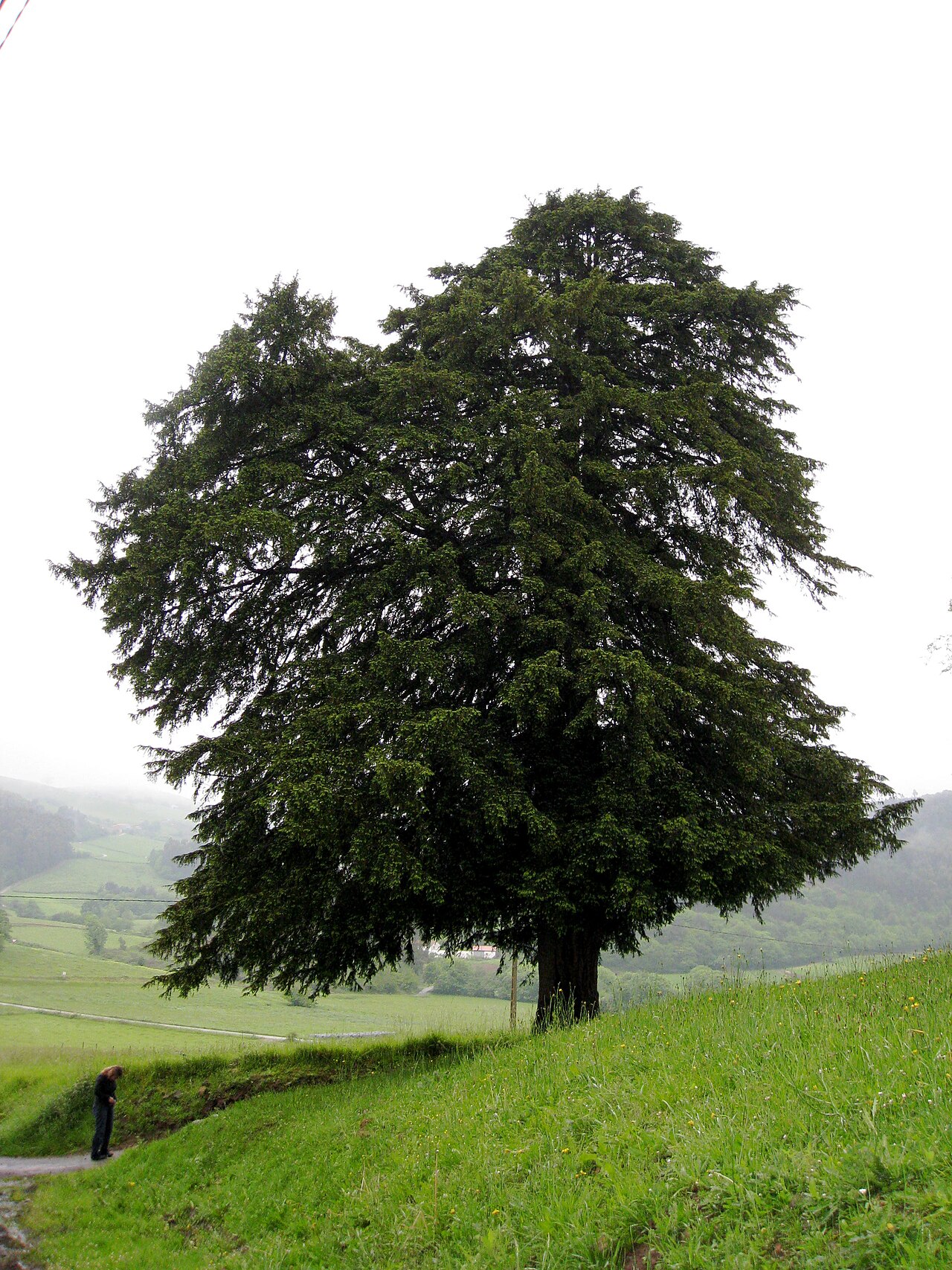 European YewEuropean Yew · 2.4 mi
 East GateMemorial · 2.5 mi
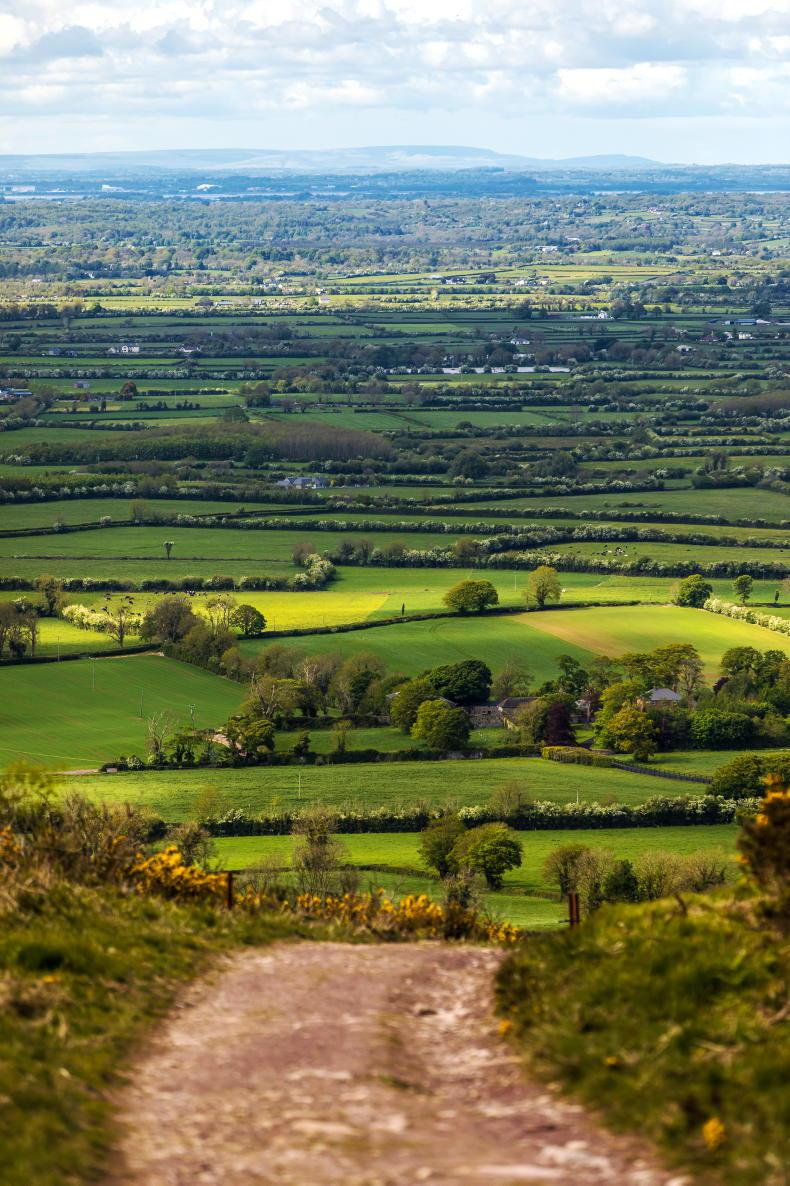 Kilknockan HillMountain / peak · 2.5 mi
 Grove WoodForest · 3.2 mi
 Eagle HillMountain / peak · 6.6 mi
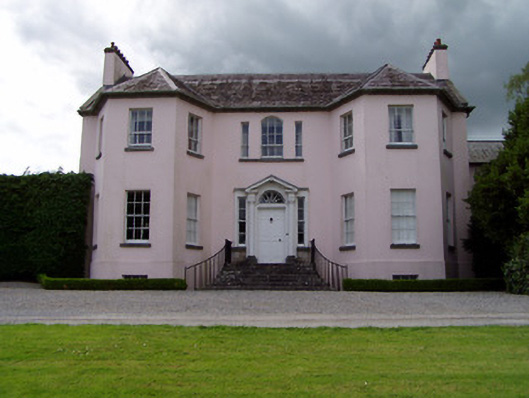 Ardsallagh Housefarmyard complex · 1380 yd