What is recorded here
Castle, Anglo-Norman masonry castle, built by Richard de Burgo in 1232, destroyed by the Gaelic Irish in 1233, destroyed again in 1247. Walter de Burgo died at the castle in 1271, the latest record of its existence. The castle predates the hall associated with the Red Earl and was abandoned when the hall was built. Its eastern corner still stands beneath the Custom House, a substantial building of migmatite and granite boulders with a clay-bonded core.
The following summary has been derived from Delany (2004, 164-78) to which the reader is referred for a fuller account. Archaeological excavations undertaken at the Custom House during the period 1997-9 uncovered significant medieval structural remains including those of a high medieval hall (GA094-100041-), the eastern corner of a 13th-century castle (GA094-100069-), a limekiln (GA094-100070-) and a smelting works (GA094-100071-) that operated in the late and post-medieval periods. A very large quantity of artefacts (11,553) and environmental material was also recovered. The excavations were confined to two separate areas of the site. The eastern area, bordering on Druid Lane, comprised the hall, smelting works and an adjoining laneway; the area to the west was in a 19th-century warehouse building where the remains of the castle and kiln were uncovered.
The first castle erected at Galway by the Anglo-Normans was built by Richard de Burgo in 1232 and destroyed by the Gaelic Irish in the following year. It was subsequently repaired or rebuilt, as it suffered a similar fate in 1247. Richard died in 1243 and was succeeded by his son Walter, whose death is recorded at the castle in 1271. This is the latest reference to the existence of the castle at Galway. Walter de Burgo was succeeded by his eldest son Richard, the ‘Red Earl’. Documentary evidence indicates that he continued to enclose the developing town with defensive walls, a process that had been initiated under his father’s direction. The historical evidence seems to suggest that the castle predates the hall (GA094-100041-) which is associated with the Red Earl and was abandoned at around the time the hall was built.
The remains of the 13th-century castle comprised the eastern corner of a substantial building. The south-eastern wall (T 1.75m; H lm) comprised four courses of large, roughly hewn migmatite and granite boulders with a clay-bonded core of smaller stones. It had a pronounced external base-batter and preserved traces of possible lime render. The excavated portion was 6m long, but the wall clearly extended beyond the south-western limit of the site. The north-eastern end of this wall was abutted by a buttress (dims 2.2m by lm) composed of migmatite and granite boulders and displaying a pronounced batter. The north-eastern return of the castle (T 1.25m; H 1.15m) comprised three courses of migmatite and granite boulders, which rested on two foundation courses of larger boulders forming a rough plinth (Wth 0.20m) at the base of the wall. This wall was built at an oblique angle to the south-eastern wall and did not have an external base-batter. The evidence suggests that the north-eastern wall may have been partly rebuilt, possibly when the kiln (GA094-100070-) was constructed immediately inside this wall.
Excavations undertaken to the south-west at Nos. 3-5 Quay Lane in 2017 uncovered what appear to be further remains of this castle (Galway Advertiser, 18 January 2018, p. 24; SMR file). (Prunty and Walsh 2016, 21)
Compiled by: Paul Walsh
Date of upload: 5 February 2018
Built by Anglo-Norman settlers in the 13th century, the castle in Townparks is remembered for its strategic role in the medieval expansion and control of Galway. Its masonry construction reflects the military and architectural developments of the period.
The monument record does not grant public access. Check the route and ask the landowner before entering private land.
- What survives
- Recorded monument
Places near here
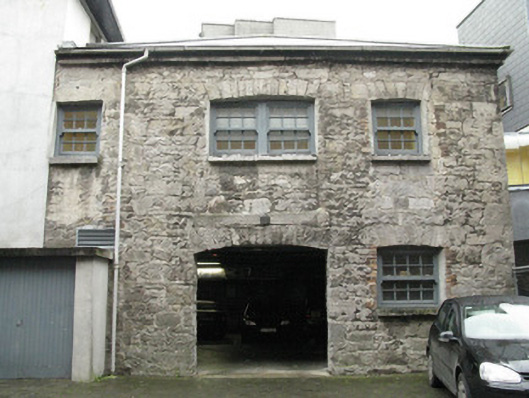 stablesstables · 7 yd
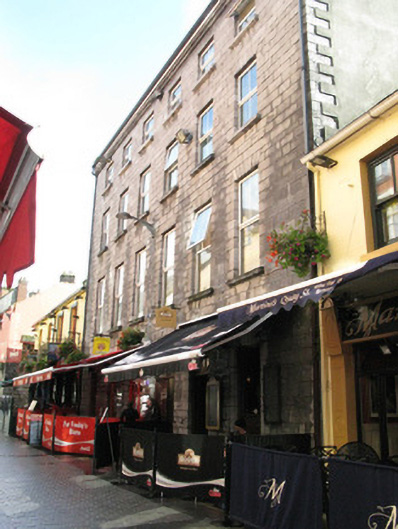 The Hallshouse · 18 yd
 Hall of the Red EarlMemorial · 24 yd
 Fortification in Townparks (galway By., St. Nicholas Par.)Fortification · 32 yd
 Blake's CastleCastle · 52 yd
 Claddagh Ring MuseumMuseum · 54 yd
 Martin TheatreMemorial · 78 yd
 Outset GalleryGallery · 111 yd
 CrossCross, Market cross · 170 yd
 Lynch's CastleCastle · 294 yd
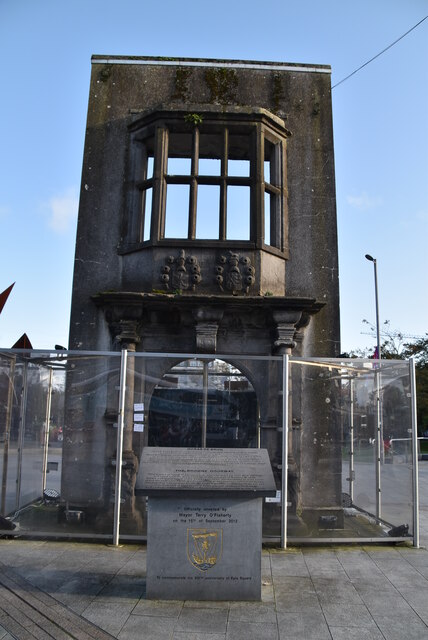 Browne DoorwayVisitor information · 557 yd
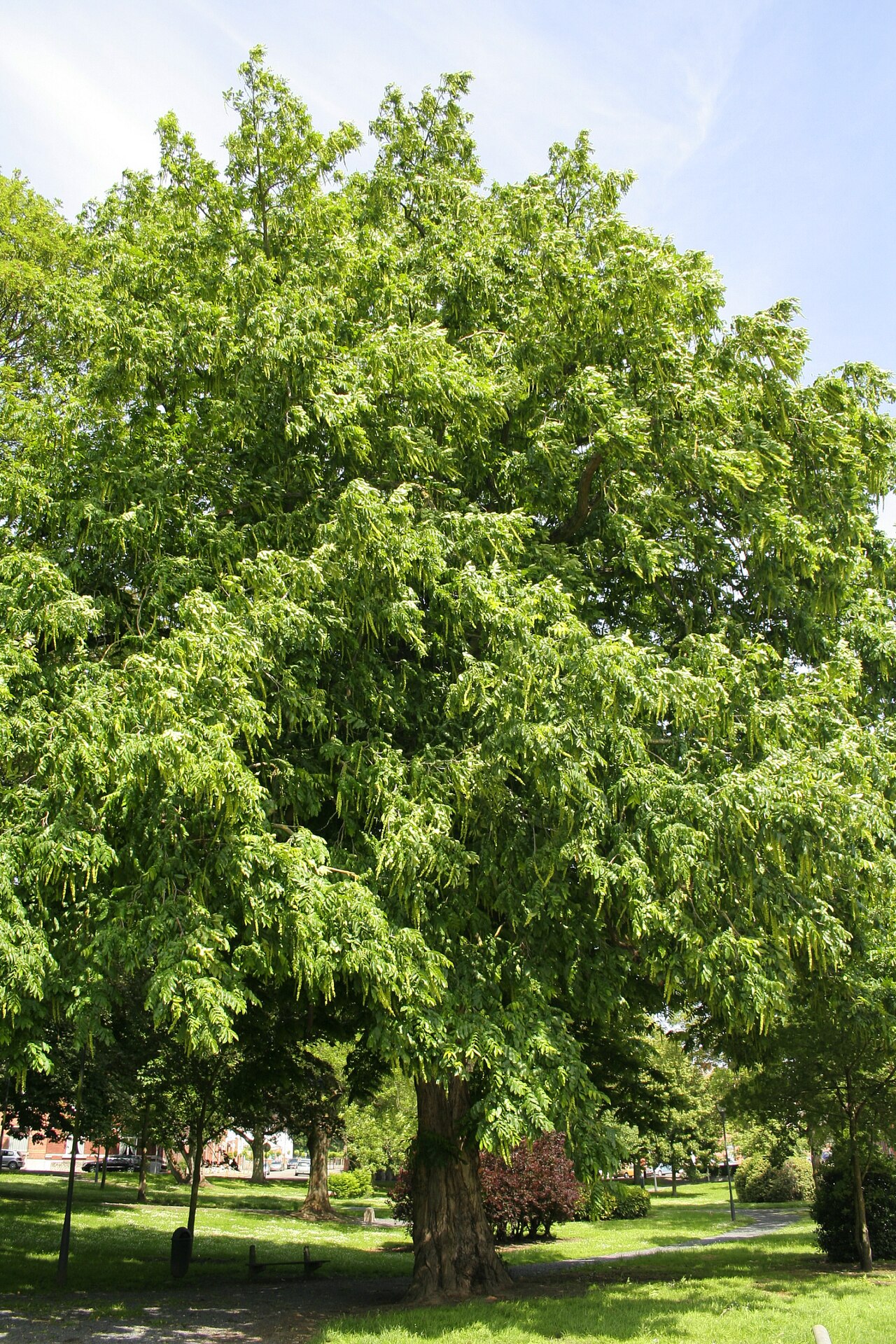 Caucasian WingnutCaucasian Wingnut · 924 yd