What is recorded here
This feature was formerly located in generally level, wet pasture, on the southern edge of Tulla village. It was initially identified by Aidan O’ Connell through geophysical survey and targeted archaeological testing (Licence No. 14E0023) and was excavated (Licence No. 14E0023 ext.) in 2014. According to O’Connell (May 2014, 7) the feature was interpreted as a burnt mound comprising a small localised mound of heat shattered stone in a matrix of carbonised silty clay. The mound measured 6m by 5m by 0.15-0.4m deep. No pits or troughs were found in association with the mound material and no archaeological artefacts were recovered from the site. A sample of ash charcoal recovered from a bulk soil sample was dated to 2470-2210 cal. BC giving an Early Bronze Age date (95% probability; SUERC 54902; 3878±36 BP). A second burnt mound (CL035-156----) c. 75m to NE was excavated under the same license. In 2015, a fulacht fia (CL035-167----) c. 100m to NE, was excavated during groundworks for St Joseph’s Secondary School, which was constructed on this site 2015-2016 (Halpin and McQueen 2016).
Compiled by: Mary Tunney and Alison McQueen
Date of upload: 5 December 2017
Burnt mound in Tulla is a Bronze Age ritual or industrial site, characterized by the presence of heat-shattered stones and associated features. Its significance lies in providing evidence of early land use and possible ceremonial activity in the region.
The monument record does not grant public access. Check the route and ask the landowner before entering private land.
- What survives
- Recorded monument
Places near here
 Enclosure in Cutteen MoreEnclosure · 575 yd
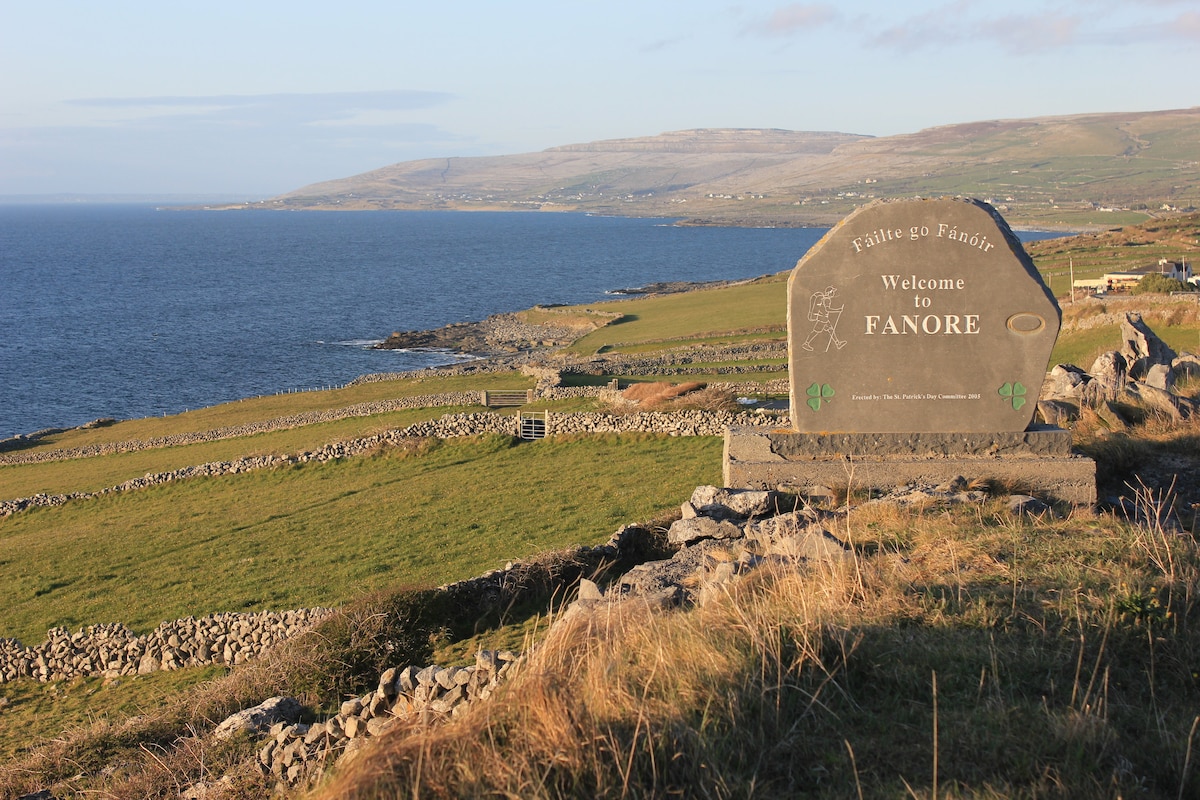 The StablesGallery · 626 yd
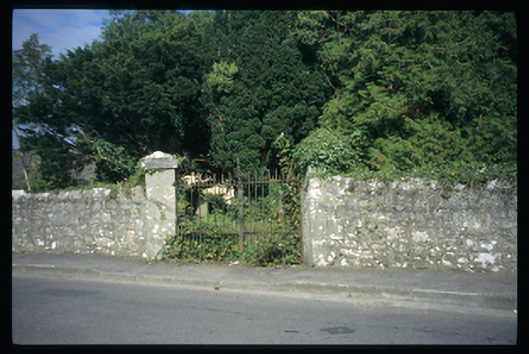 Saint Mochulla's Church (Tulla)graveyard/cemetery · 634 yd
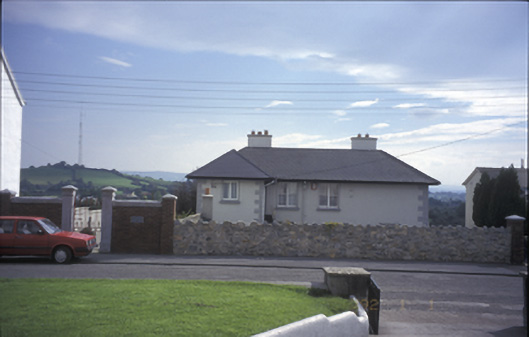 Tulla Househouse · 650 yd
 Enclosure in Knockadoon,cutteen MoreEnclosure · 736 yd
 Tulla Castle (Site of)Castle, unclassified · 877 yd
 Lissofin Castle (in ruins)Castle, unclassified · 1227 yd
 Cloghleagh RockNamed rock · 2.1 mi
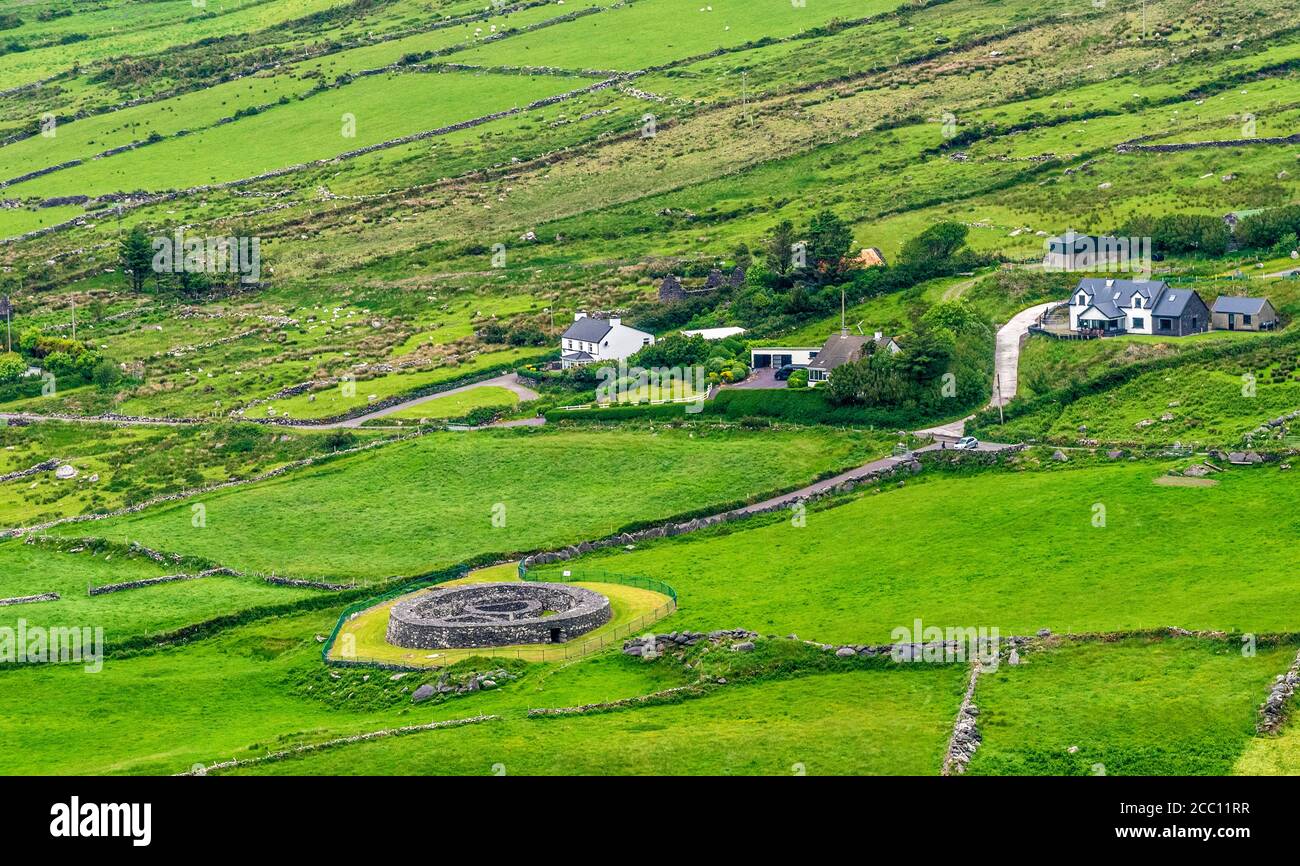 The RingfortHeritage attraction · 3.7 mi
 Derrymore WoodWood · 5.2 mi
 Deerpark WoodForest · 5.6 mi
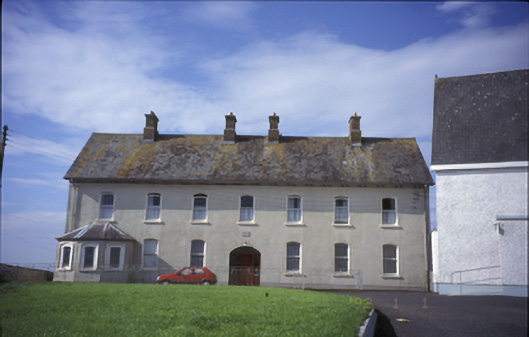 Cnoc na Gaoitheconvent/nunnery · 656 yd