What is recorded here
Caoldroim Íochtarach is a Neolithic burial enclosure in County Donegal where two leaning slabs still mark the south entrance. People once called the pair Dermot and Grania's Bed, giving the stones a romantic shape before excavation revealed a round wall, cremated bone and shells. The chamber may have had a forecourt, but furze and uncertainty still surround what those sockets held.
This site, according to Thomas Fagan (1845-8), was known locally as 'Dermot and Grania's Bed' and then consisted of two slabs, one standing upright, which was 31/2 feet (c. 1.05m) long, 8 inches (c. 0.2m) thick and 41/2 feet (c. 1.4m) high, and the other, somewhat smaller, leaning against it. A 'few' other stones lay prostrate here; there were others on edge in the ground; and all appeared to have originally lain within an enclosure 25 yards (c. 22.85m) in diameter.
This site was excavated in 1976. According to the excavator's account (Kilbride-Jones 1997), a rubble-cored wall, faced internally and externally, formed a round enclosure 23m in diameter. At the S the excavation revealed a chamber filled with midden material within the thickness of the wall. At the NE there was a gap in the wall, and 3m S of it were the two stones noted by Fagan. These still stand at the site. The excavator has suggested that they stood as opposed sidestones of a small megalithic chamber. According to him, there was a socket behind each of these and a further one forming a back to the chamber at the W. Immediately E of and in front of the supposed chamber the excavator identified a small 'forecourt' delimited by sockets.
Two periods of activity were identified in the enclosure, the earlier represented by sherds of Western Neolithic pottery, by a plano-convex flint knife and possibly by sherds of coarse pottery. The later period was represented by spindle whorls of stone, a bone needle, a bracelet and ring, both of chlorite, and a heavily corroded iron object. Animal bones and piles of shells were recovered from different parts of the enclosure, and a small amount of cremated human bone was also found there.
The site, substantially obscured by furze bushes (in 1994), looks like a ruined cashel with an entrance-like feature at the S consisting of the two stones described by Fagan, one leaning against the other. The nature of the supposed megalithic chamber with forecourt identified by Kilbride-Jones is uncertain. The context of the undoubted Neolithic activity at the site is unclear.
Fagan 1845-8, book 4, 22; Kilbride-Jones 1977; Lacy 1983, 52, no. 194; SMR 1987, 24:15; RMP 1995, 24:15; Kilbride-Jones 1997.
The above description was published in the 'Survey of the Megalithic Tombs of Ireland. Volume VI, County Donegal.' Compiled by: Eamon Cody (Dublin: Stationery Office, 2002).
Date of upload: 22 September 2008
Portal dolmen; likely dates to the Neolithic or early Bronze Age. The site's local name and surviving standing slab suggest its cultural and possibly mythological significance in the region.
The monument record does not grant public access. Check the route and ask the landowner before entering private land.
- What survives
- Recorded monument
Places near here
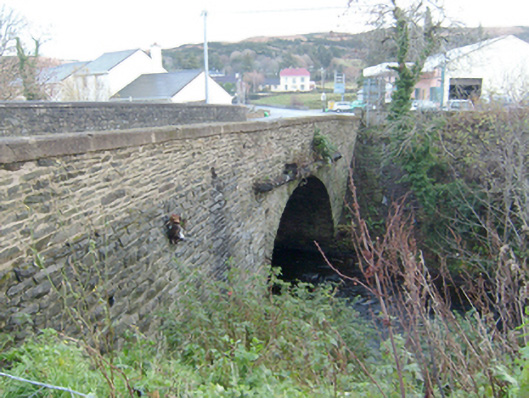 Droicheadh Bhedlam [Bedlam Bridge]bridge · 693 yd
 Fairy fort / stone ringfort in An Caiseal (tc Dún Lúiche)Fairy fort / stone ringfort · 950 yd
 Gortahork Inland Promontory FortPromontory fort, inland · 1335 yd
 outbuildingoutbuilding · 1352 yd
 Castle Bawne (in Ruins)Bawn · 2.0 mi
 MagheraroartyOfficial bathing water · 2.6 mi
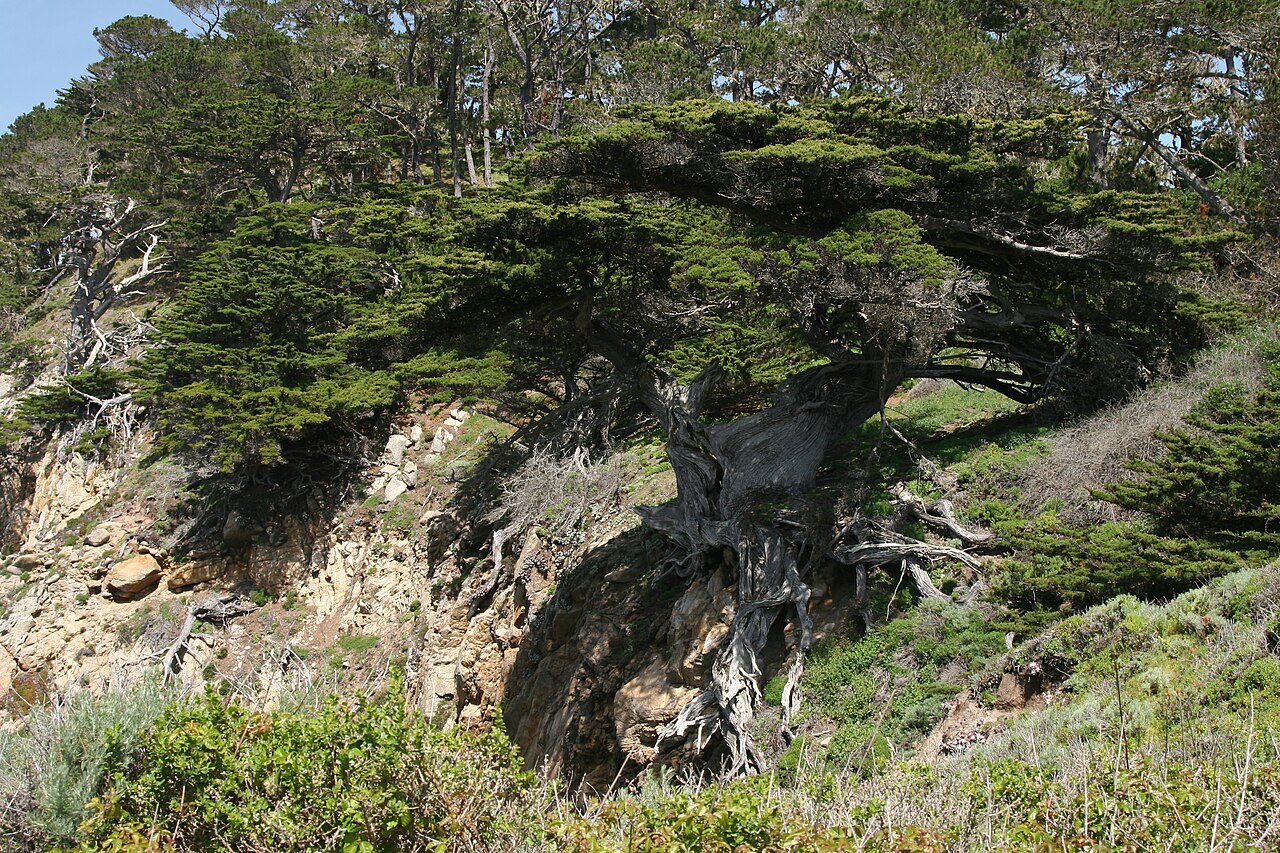 Monterey CypressMonterey Cypress · 3.0 mi
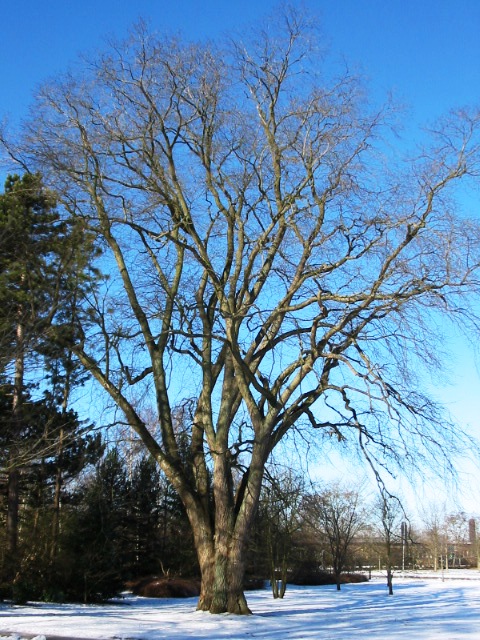 Wych ElmWych Elm · 3.1 mi
 Trá Dhroim na TineBeach / strand · 3.8 mi
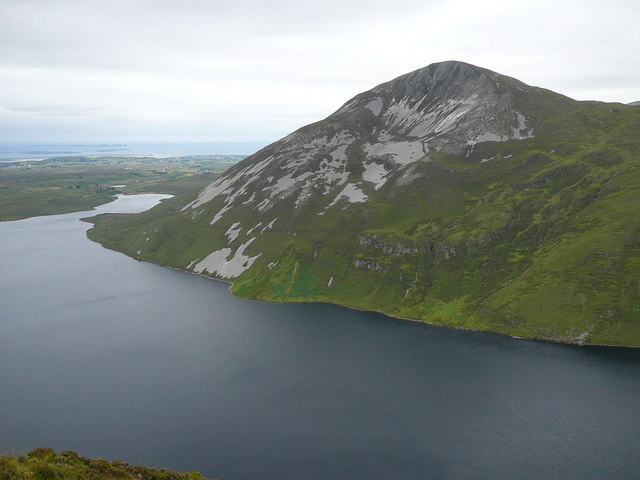 Aghla MoreMountain / peak · 4.3 mi
 Inis Bó FinneIsland · 4.6 mi
 Cnoc FolaMountain / peak · 4.9 mi