
What is recorded here
Single-arched skew railway bridge, built c. 1840, carrying Dublin-Belfast Railway over Howth Road. Steel girder superstructure and steel balustrades supported on rusticated channelled limestone abutments flanked by projecting rock-faced rusticated limestone piers having cut limestone parapets with carved granite capping and cornice to base of parapet. Curved sloping roughly-hewn limestone wing walls terminating in square-plan piers, with cut granite coping to wing walls and piers.
This well-executed bridge is representative of the technical skill in engineering and masonry in the nineteenth century. Built to carry the Dublin & Drogheda Railway, which later became the Great Northern Railway, this bridge also serves the DART line and is a key part of the public transport infrastructure of Dublin City and the island of Ireland. John MacNeill, the engineer of the D&DR, may have overseen the construction of this bridge. Such girder bridges would originally have been constructed using wrought-iron, as prior to the 1870s, steel was not deemed strong enough. It is likely that the current carriageway replaces an earlier one. Forming a group with the adjacent former station building, it serves as a physical reminder of the social and industrial importance of the railway network in the late nineteenth century.
This does not grant access. Most recorded buildings are privately owned; view them only from public ground unless the owner allows entry.
Places near here
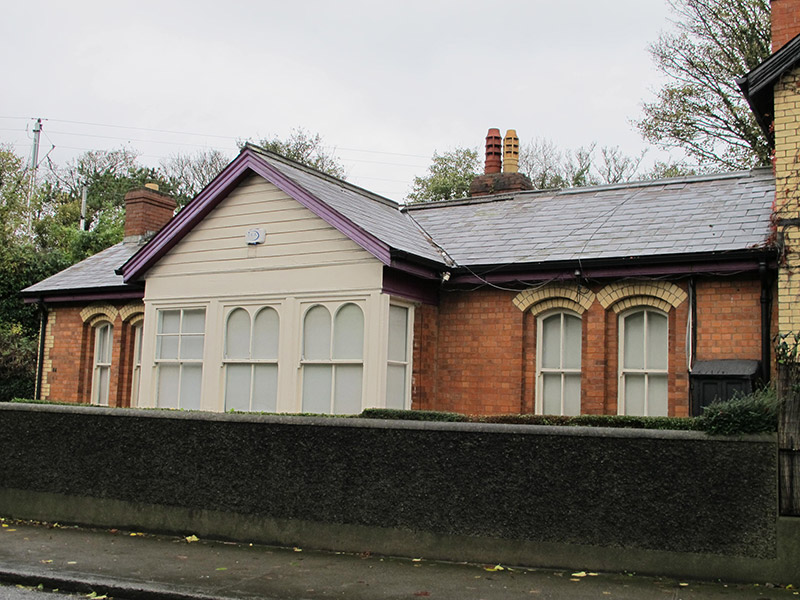 railway stationrailway station · 56 yd
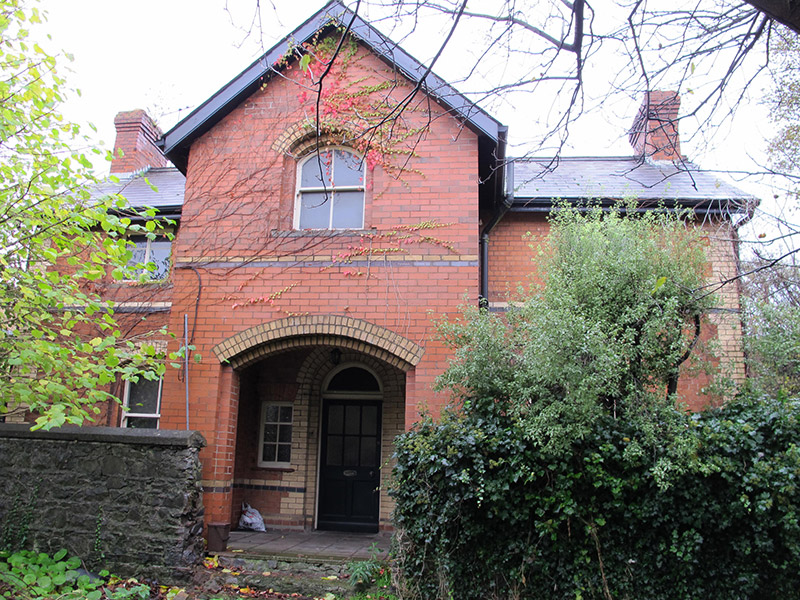 station master's housestation master's house · 66 yd
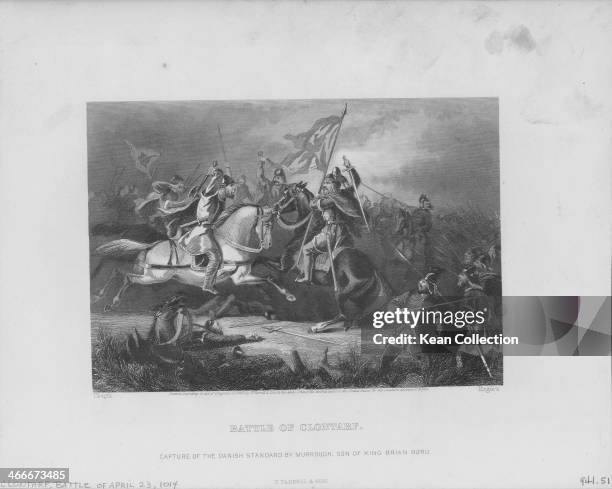 Battle of ClontarfVisitor information · 507 yd
 StudioGallery · 561 yd
 Burial in Unknown TownlandBurial · 639 yd
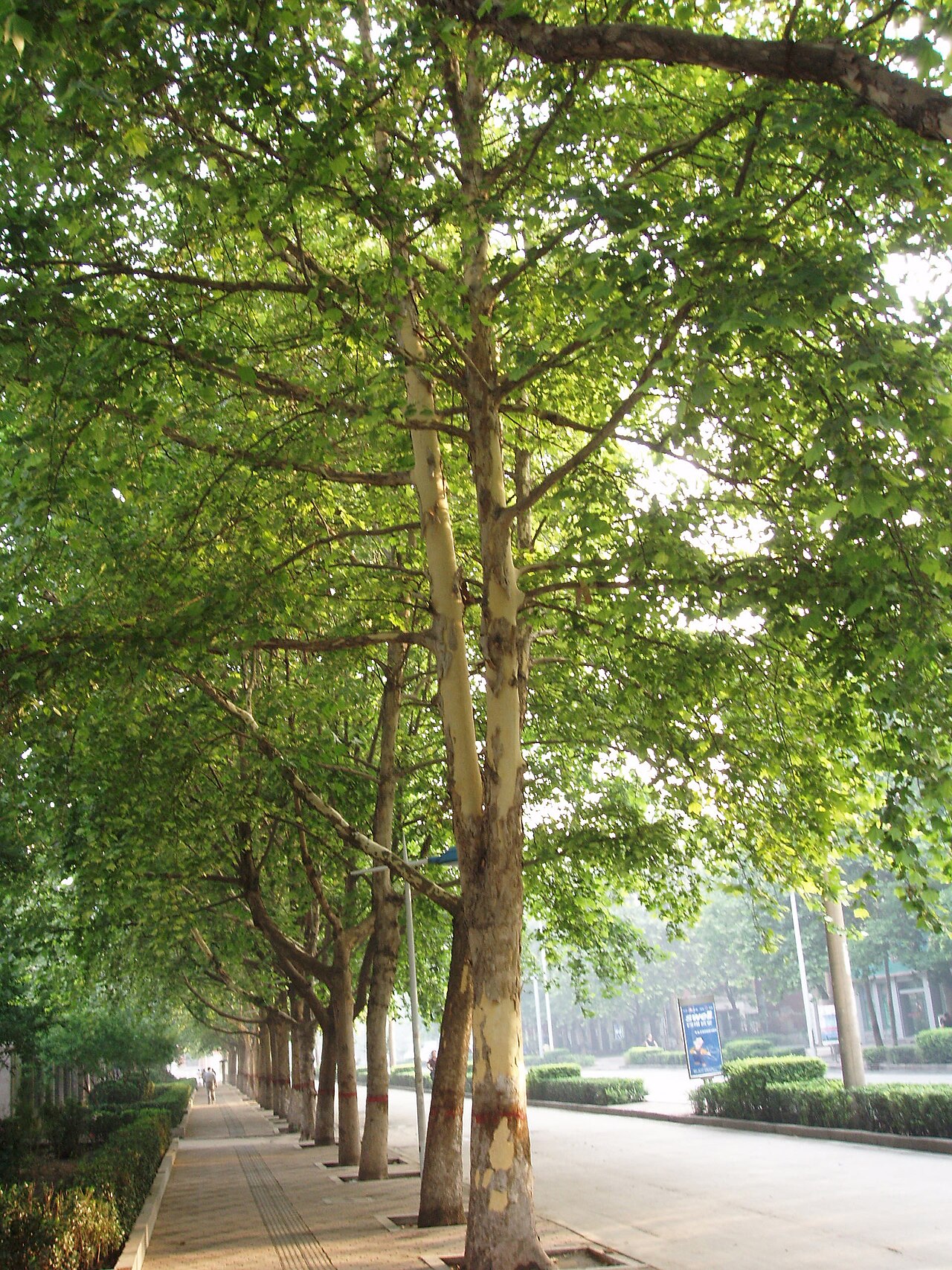 London PlaneLondon Plane · 685 yd
 St. Dennis WellHoly well · 738 yd
 Casino at MarinoHeritage attraction · 757 yd
 Clontarf Castle HotelVisitor information · 1094 yd
 Clontarf War MemorialMemorial · 1309 yd
 Seán Russell Memorial StatueMemorial · 1407 yd
 W18539Wreck · 1.2 mi
Other information
Photo: SeoR · CC BY-SA 4.0