
What is recorded here
Single-arch railway bridge, built c. 1833, carrying railway over Brunswick Place. Elliptical arch with tooled ashlar limestone walling with projecting cut limestone stringcourse and copings to parapets. Central section of parapet removed on both elevations, having concrete copings and steel fencing fixed. Walls…
Read the whole record
From the Buildings of Ireland (National Inventory of Architectural Heritage) record 50100327
Places near here
Picture notes
- National Inventory of Architectural Heritage
- Computer-made picture. It does not show this playground.
- Computer-made picture. It does not show this monument.
- Computer-made picture. It does not show this garden.
- Osama Shukir Muhammed Amin FRCP(Glasg), Wikimedia Commons · CC BY-SA 4.0
- Eric Jones, Geograph · CC BY-SA 2.0
- Angilbas at English Wikipedia, Wikimedia Commons · Public domain
- Superchilum, Wikimedia Commons · CC BY-SA 4.0
- Agence Rol, Wikimedia Commons · Public domain
 bridge72 yd
Explorer Tom Bridge on Erne Street Upper was part of Ireland’s first railway, which means it’s had time to get tired of carrying passengers since 1834. The ashlar limestone is robust and well-proportioned, basically a stone muscle flex. Get a photo before it starts creaking again.
 Children's playground96 ydComputer-made picture
Explorer Tom Children's playground in County Dublin is doing its best to disappear. No account saved, so I’m claiming the monkey bars are made of solid gold. Prove me wrong with a zoomed-in shot!
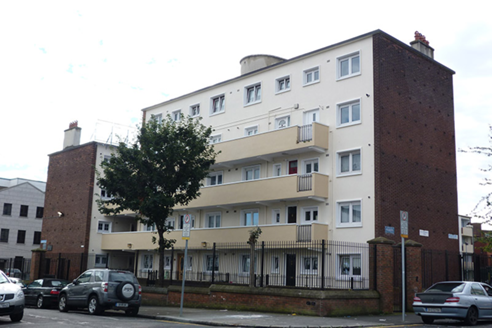 Leo Fitzgerald HouseApartment/flat (purpose-built) · 111 yd
Explorer Tom Leo Fitzgerald House on Erne Street Upper was named after a Civil War hero who probably hated the rain. It’s a simple block by Herbert Simms, no frills, just vibes. Tell me if it looks grumpy from outside.
 Sacred Heart of JesusWayside shrine · 139 ydComputer-made picture
Explorer Tom Sacred Heart of Jesus in County Dublin is being mysterious again. Nothing written down! He’s probably up on the roof checking his hair in a cloud reflection.
 Paul's GardenGarden · 180 ydComputer-made picture
Explorer Tom Paul's Garden in County Dublin is definitely Paul’s and he doesn’t share. I bet there’s a shed with a key under a fake rock. Look for the rock, mate!
 Michael CollinsMemorial · 383 yd
Explorer Tom Michael Collins 1890-1925 in County Dublin is another spot honoring the same big guy. It seems he had quite an impact on the area. Check out this second memorial and compare notes with the first!
 Glass works in Unknown TownlandGlass works · 384 ydComputer-made picture
Explorer Tom Glass works in County Dublin would get 'Finally Shattered' on its tombstone. It was making glass on Lazer's Hill way back in 1750. Go now, before it gets famous and starts charging entry fees for the view.
 Bernardo O'HigginsMemorial · 426 yd
Explorer Tom Bernardo O'Higgins in County Dublin is a Chilean liberator memorial, which is a bit random here, but salute him and wonder why he’s not back in South America.
 Samuel Beckett BridgeVisitor information · 687 yd
Explorer Tom Samuel Beckett Bridge is strutting across the Liffey like it owns the place. The North Wall view looks mint from up there. Get a shot of the arch for me, yeah?
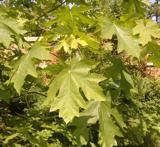 Bigleaf Maple823 yd
Explorer Tom Another Bigleaf Maple in County Dublin, this one pretending it doesn't know I'm here. It’s probably posting about its 'roots' on social media, acting like a deep thinker when it's just a tree. Bring your own legend, I've run out of facts for you.
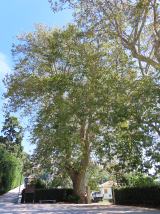 Oriental plane847 yd
Explorer Tom Oriental plane in County Dublin is eavesdropping on everything through its leaves. Go with someone who loves old stuff and watch them melt into a puddle of awe, or just envy it.
 Burning of the Custom HouseArmed conflict · 1011 yd
Explorer Tom Burning of the Custom House in County Dublin was a bargain gone wrong with fire involved. It looks dramatic from a distance, which is good for photos. Stand back, squint, and it looks like a castle.
More historic places in County Dublin · All of County Dublin

What do you know about this place?Tap to add a comment or ask a question