What is recorded here
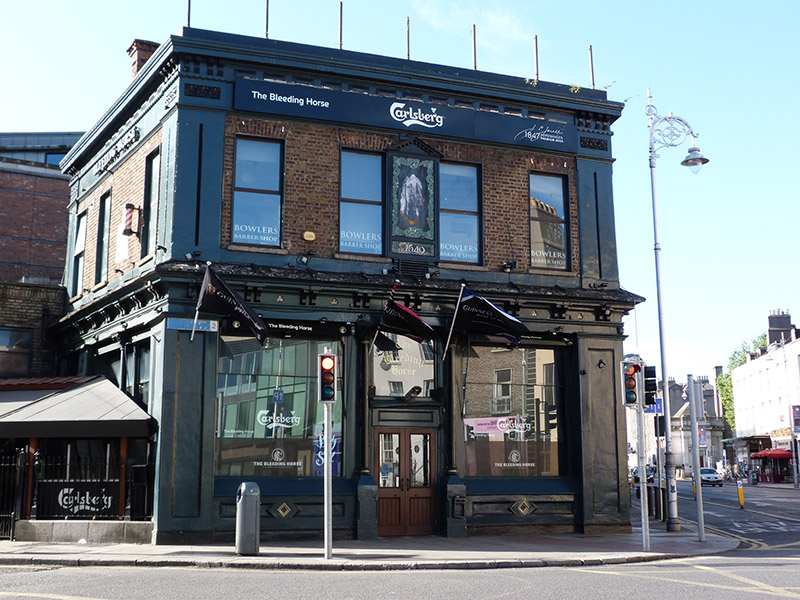
Corner-sited attached four-bay two-storey public house over concealed cellar, built 1871, with three-bay elevation to east, four-bay elevation to west and wrap-around pubfront to ground floor. Now also in use as barbershop. Three-bay two-storey extension to south-east corner. M-profile pitched roof, hipped to north end with rendered and brick chimneystacks, rendered parapet with moulded cornice, rendered eaves course. Some cast-iron rainwater goods. Red brick, laid in Flemish bond, to walls having render pilasters and fascia, nail-head mouldings and foliate panels to capitals. Moulded render plinth course. Square-headed window openings with raised rendered reveals and granite sills and replacement windows. Traditional pubfront comprising pilasters and colonnettes supporting cornice having paired corbels and trefoils, square-headed display windows on rendered risers, square-headed door openings with masonry doorcases comprising colonnettes and foliate capitals. Plain overlights and double-leaf glazed timber doors. Carved stone plaque to threshold. Metal cellar doors set in granite flags to footpath. Traditional-style timber pub interior, reconstructed c. 1992.
This public house artfully addresses this prominent corner site at the junction of Camden Street Upper and Charlotte Way. Its brick-built façade is ornamented with shallow pilasters, and a decorative rendered pubfront. On the site of an earlier inn, it was reconstructed in 1871 for Andrew Wren, to the designs of R.J. Stirling. Now surrounded by buildings of recent construction, it adds character and context to this area. Formerly St. Kevin's Port, Camden Street was renamed for Charles Pratt, 1st Earl Camden in 1778.
This does not grant access. Most recorded buildings are privately owned; view them only from public ground unless the owner allows entry.
Places near here
 International Tailors, Pressers and Machinists UnionMemorial · 36 yd
 shop/retail outletshop/retail outlet · 101 yd
 St. Kevin's Female Schoolschool · 146 yd
 The Copper House GalleryGallery · 260 yd
 Irish Jewish MuseumMuseum · 474 yd
 Habitation site in Unknown TownlandHabitation site · 777 yd
 Liberty BellMonument · 889 yd
 Litterary paradeMemorial · 902 yd
 Battle of RathminesMajor battlefield · 1216 yd
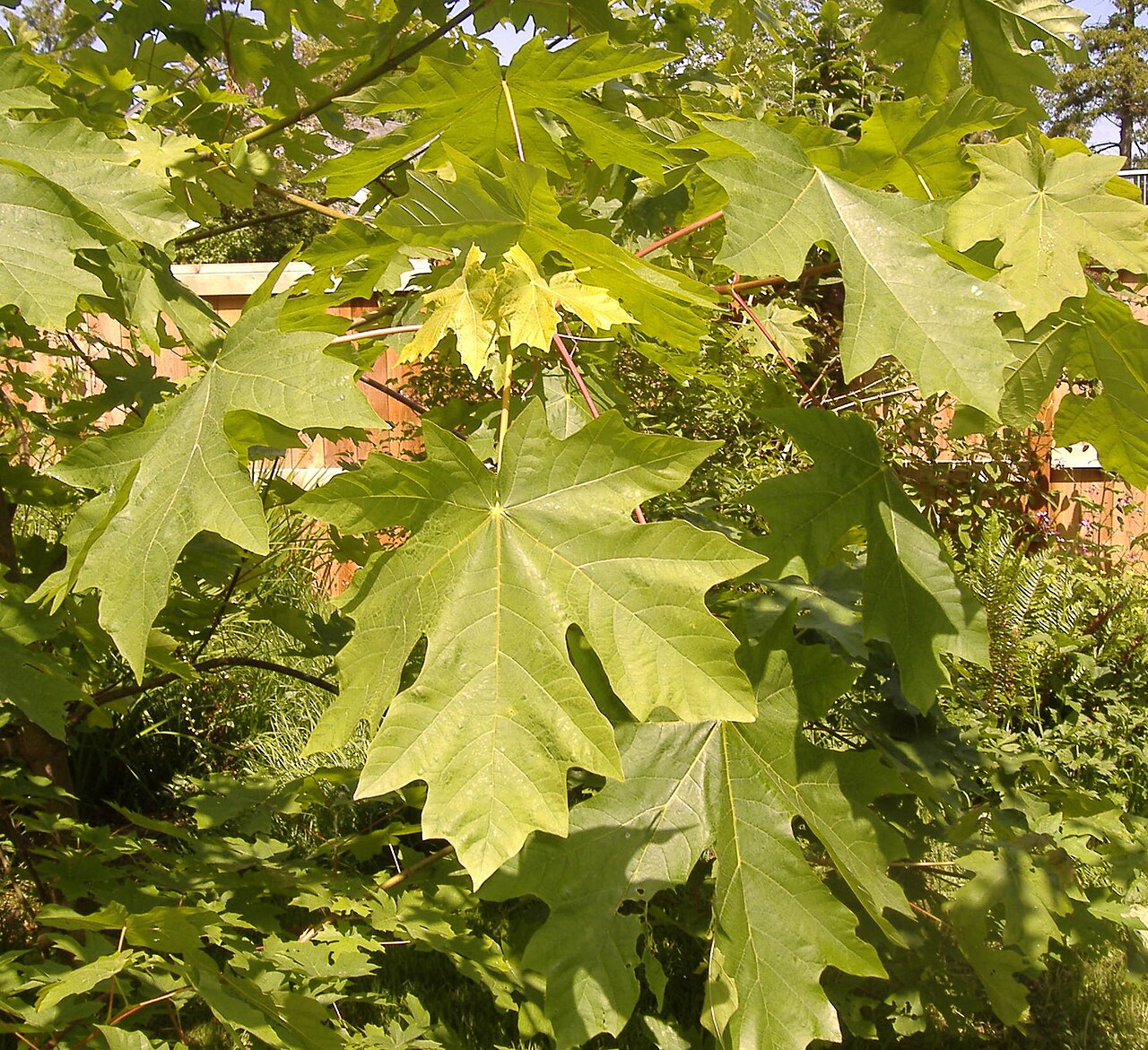 Bigleaf MapleBigleaf Maple · 1421 yd
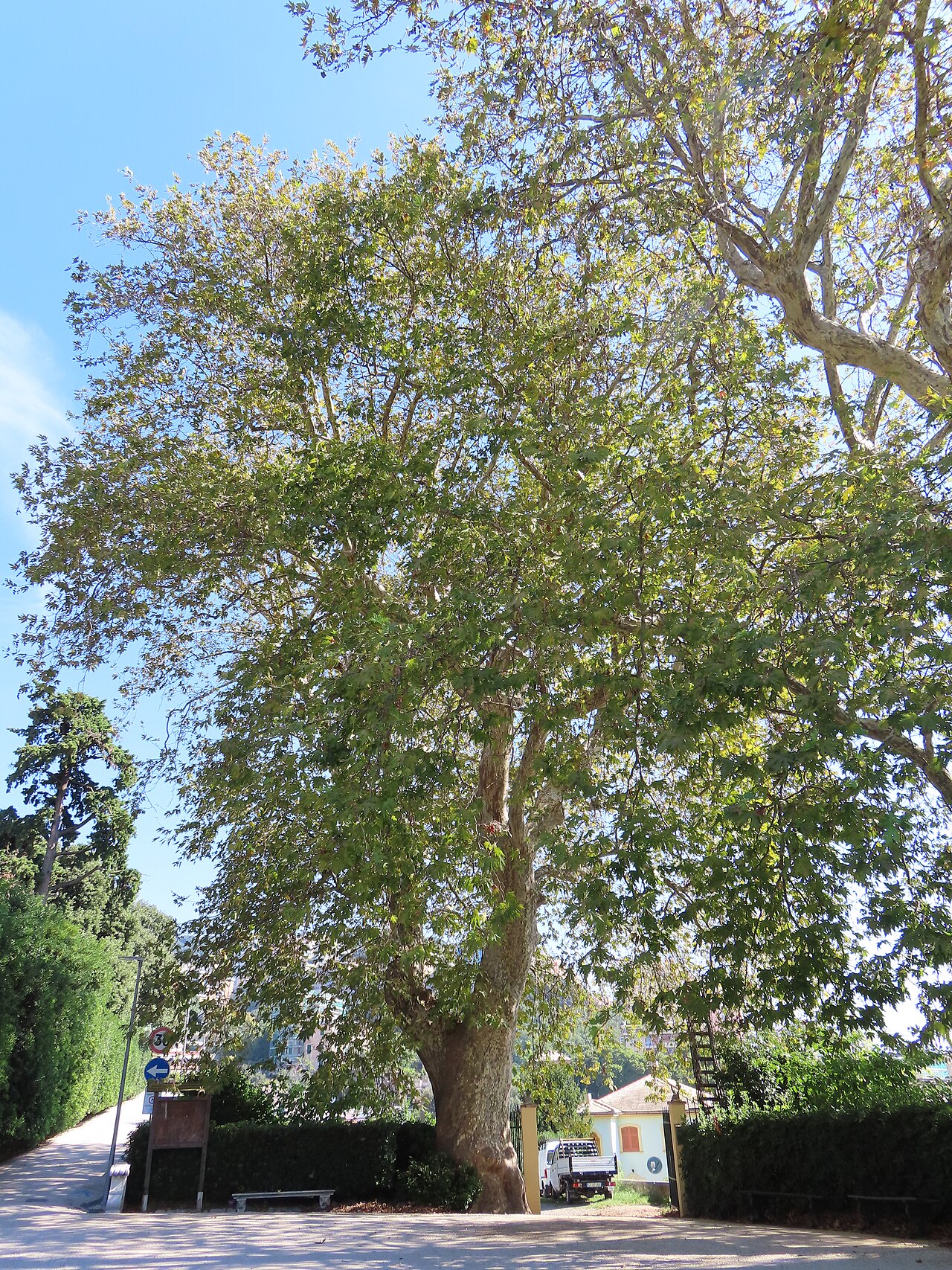 Oriental planeOriental plane · 1500 yd
 Burning of the Custom Housearmed conflict · 1.1 mi
Other information
Photo: National Inventory of Architectural Heritage · Website use allowed for educational or private purposes with source credit