Places near here
Photo credits
- National Inventory of Architectural Heritage
- dougf, Wikimedia Commons · CC BY-SA 2.0
- Dr Charles Nelson, Wikimedia Commons · CC BY-SA 2.0
- Lucarelli, Wikimedia Commons · CC BY-SA 3.0
- Alvesgaspar, Wikimedia Commons · CC BY-SA 3.0
- Megankeane13, Wikimedia Commons
- John M, Geograph · CC BY-SA 2.0
- Humphrey Bolton, Geograph · CC BY-SA 2.0
- Andreas F. Borchert, Wikimedia Commons · CC BY-SA 4.0
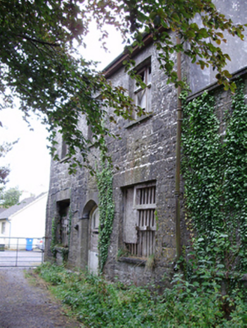 workhouse1.0 mi
Explorer Tom Workhouse in Lavally would describe the 1800s to a teenager as 'the era when everyone was miserable but the doorframes were fancy.' It’s got that Tudor Revival style going on, which is ironic given the conditions. Have a nose around the perimeter without getting too nosy.
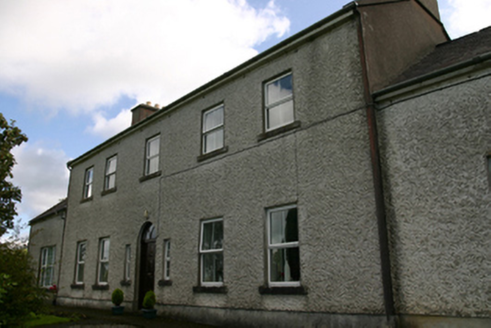 Prospect HouseCountry house · 1.0 mi
Explorer Tom Prospect House has a prophecy that it would fly on full moon nights, but it’s too embarrassed to try in front of neighbors. It sits on its hill looking down on the farmland with an air of superior elegance and tooled limestone sills. If you see it gazing at the sky, tell it gravity is a suggestion.
Castle IslandIsland · 1.1 miExplorer Tom Castle Island is having a massive argument with the road that leads to it because the tarmac keeps cracking and it feels personally attacked by modern engineering standards. It thinks the whole thing is a bit of a sham anyway, really, so just keep your distance. Take a mate and argue about what it was for.
 Kiltartan Castle (in ruins)Castle, Anglo-Norman masonry castle · 2.6 mi
Explorer Tom Kiltartan Castle in Castletown holds a fake world record for being the most stubborn ruin on a riverbank. It’s been there since the de Burgo days, looking grumpy. It's free, it's odd, what more do you want? Just don't ask it to smile, it might cost you a coin.
 Newtown Castle (in ruins)Castle, tower house · 2.9 mi
Explorer Tom Newtown Castle in Castlequarter is round and proud of it, sitting in land that floods when it feels like it. It would use its lotto win to buy better boots for its owner. Tell the next person you meet it's haunted; it might be, or it might just be a damp echo.
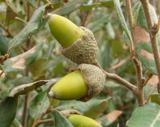 Holm Oak3.0 mi
Explorer Tom Holm Oak in County Galway would write 'Seeking patient partner, no shedding required' on its dating profile because it keeps its leaves year-round. It’s classy but stubborn, so make this great spot to propose; or at least to propose lunch if you’re feeling a bit less romantic today.
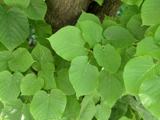 Common Lime3.2 mi
Explorer Tom Common Lime hosted a dance in 1974 that went so far everyone forgot how to get home until dawn. The branches still look like they’re mid-air, frozen in a move that nobody has been able to replicate since then. Bring your own legend, I’ve run out.
 Coole ParkHeritage attraction · 3.2 mi
Explorer Tom At Coole Park, even the trees have famous friends, and I am trying not to take that personally. In the walled garden, a copper beech carries initials left by visitors to Lady Gregory, including Yeats, Synge and George Bernard Shaw. Yeats also found the swans here that inspired The Wild Swans at Coole. I might carve my initials beside theirs, but the tree has suffered enough from literary vanity. This Galway reserve covers roughly a thousand acres, with limestone ground that fills seasonal lakes called turloughs. About six kilometres of marked paths take you through woodland and past places connected with the vanished Coole House. Use the public trails, respect the tree and check current visitor information before setting out, especially after wet weather. Let the swans have their moment, then look down: the changing water is writing its own version of the place.
 Kilmacduagh Monastic SiteVisitor information · 3.8 mi
Explorer Tom Kilmacduagh Monastic Site thinks Dublin tourists are basically overgrown children who need a stern lecture about history and manners. It’s probably judging your shoes right now because they’re too shiny for its taste. It's free, it's odd, what more do you want?
 Kilmacduagh MonasteryHeritage attraction · 3.8 mi
Explorer Tom Kilmacduagh gives you a round tower and a name that has outlived several different churches. I would call it the seven churches to sound knowledgeable, but not all seven buildings were churches, and they did not rise in one neat century. Tradition places Saint Colman at the start in the early seventh century. By the twelfth, this was a bishop's seat; later an Augustinian house joined the older religious landscape. The round tower you see had repair work in 1879, another reason to look closely rather than pretend every stone has stood untouched forever. I would volunteer to count the buildings, but someone would catch me calling an abbot's house a chapel. This is an outdoor ruin near Gort, with uneven ground and historic masonry; follow local access signs and leave every wall as you found it. Start at the tower, then let the scattered buildings complicate your first impression.
 Templemore or Cathedral (in ruins)Cathedral · 3.9 mi
Explorer Tom Templemore or Cathedral in Kilmacduagh hears everything through its thick walls, including every bad joke told since the seventh century. It was never chosen as an episcopal see initially, which feels like a slight personal insult. Stand back, squint, and it looks like a castle.
 Grave YardGraveyard · 3.9 mi
Explorer Tom Graveyard in Kilmacduagh is probably complaining to the council about the lack of proper signage and the damp getting into its bones. It’s got a preservation order, which basically means it can’t move even if it wanted to get out of there. Bring a notebook and write the bit I made up.
More historic places in County Galway · All of County Galway

What do you know about this place?Tap to add a comment or ask a question