What is recorded here
Bawn Regan enclosed Tinnahinch Castle and its crowded working rooms, binding stone, fire and human labour into one defensible life. Charles Dunne held that whole complex in 1637, from kitchens and stables to orchards and the mill beside the Barrow. The bawn has no marked corner now, but its shape still emerges through what lived inside it: a small world made complete by walls.
Unlocated bawn within the townland of Tinnahinch. 1553 Map of Leix and Offaly has the words 'Bawn Regan' written across the present townland of Tinnahinch near the Barrow. Tinnahinch Castle (LA003-023002-) is mentioned in the 1637 inquistion taken at Maryboro (Portlaoise) when Charles Dunne is described as being posessed of the 'Castle of Tinnahinchie, the hall, the chambers at the end of the hall, the stone wall of a hall which joineth to the castle, the kitchen, the brewhouse, the back-house, the stables, the porter's lodgings and all the houses within the bawn; the two gardens, the four orchards, the park and the meadow on the south syde of the castle, the myll and all the houses on the easte side of ye river of the Barrow in the towne and fields of Tinnahinchie in the territory of Iregan (Crosdaile, L. H. 1959, 12).
Compiled by: Caimin O'Brien
Date of upload: 17 December 2007
The Bawn in Tinnahinch was likely associated with the Ó Regan (O'Regan) family, as indicated by the "Bawn Regan" reference on the 1553 map, and reflects the defensive structures built by Gaelic Irish families in the 16th century. It is remembered as part of the medieval landscape of Leix and Offaly, illustrating the presence and influence of local clans during the period of English expansion in Ireland.
The monument record does not grant public access. Check the route and ask the landowner before entering private land.
- What survives
- Recorded monument
Places near here
 Enclosure in TinnahinchEnclosure · 618 yd
 Enclosure in ConesEnclosure · 1.0 mi
 Turrets (in Ruins)Bawn · 1.1 mi
 CastleCastle, unclassified · 1.4 mi
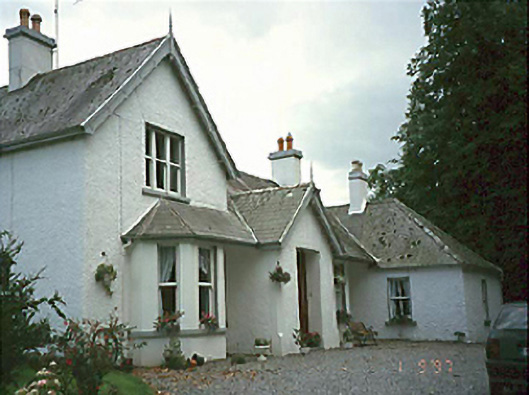 Clarahill Househouse · 1.9 mi
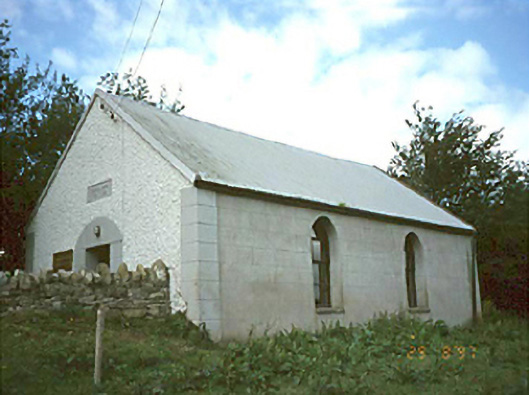 Ballyhuppahane Methodist Churchchurch/chapel · 2.3 mi
 BaunreaghcongMountain / peak · 2.7 mi
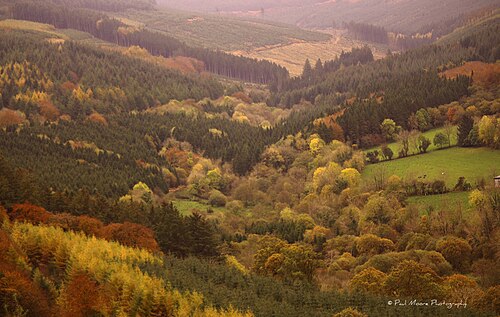 Slieve Bloom MountainsMountain range · 3.7 mi
 Kilmanman church (in Ruins), GraveyardChurch · 3.9 mi
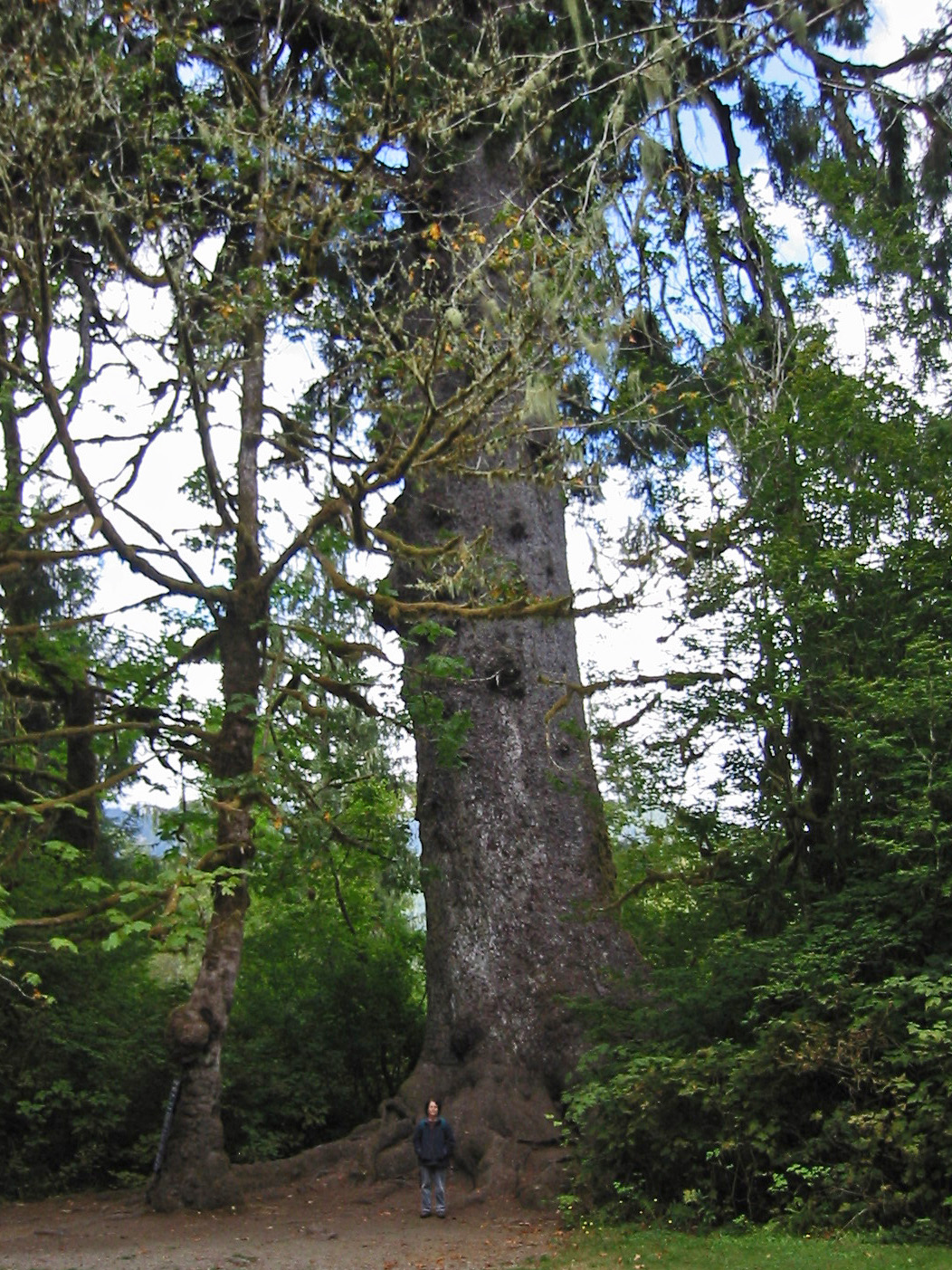 Sitka SpruceSitka Spruce · 4.7 mi
 Church (in Ruins), Graveyard, CarrigeenChurch · 6.2 mi
 Giant's Grave LoopWalking route · 6.3 mi