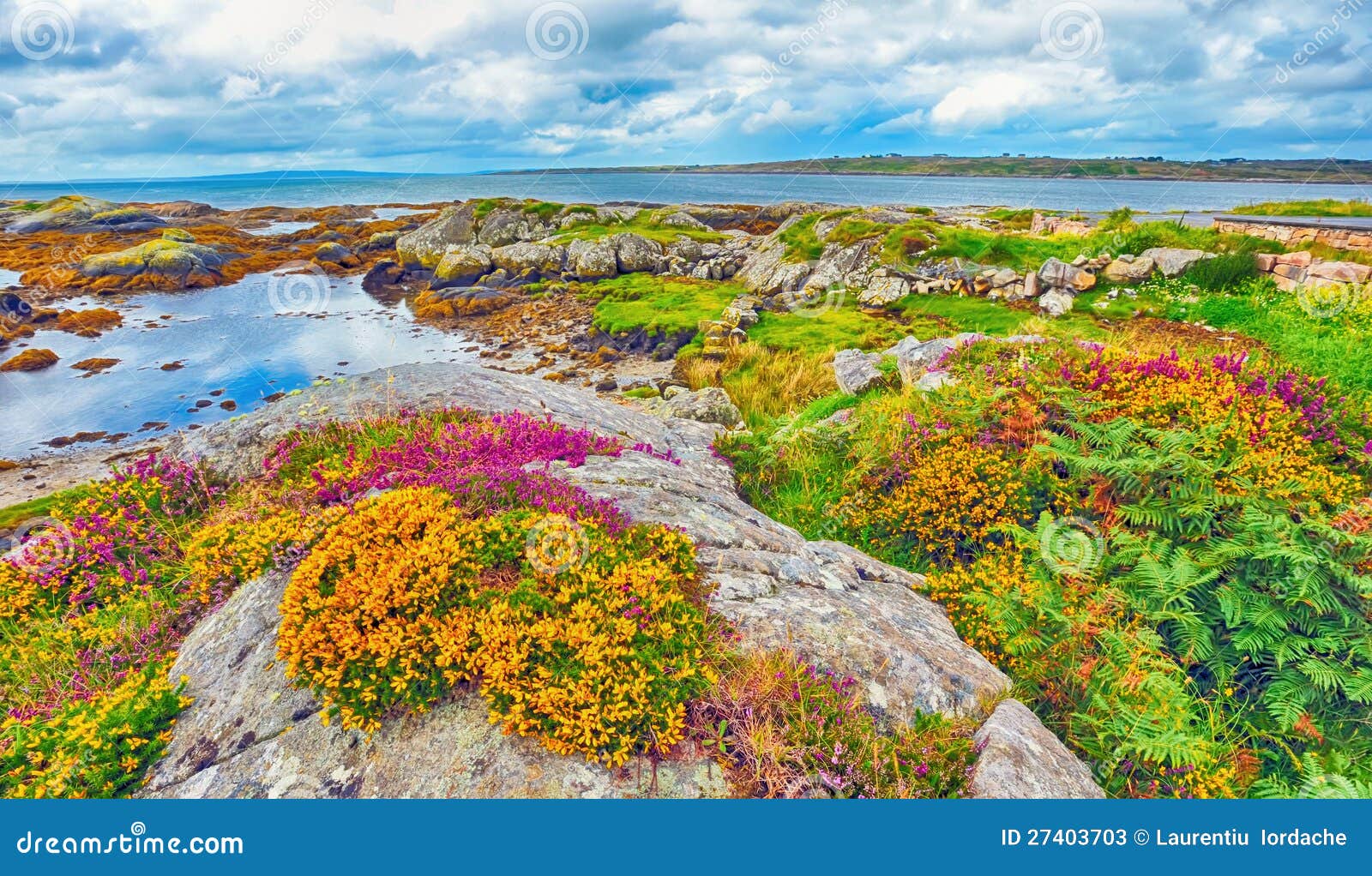
What is recorded here
Clare Castle, also called Mullaghcloe, stands on a steep hillock in Westmeath, its ruined tower still projecting from a grass-covered bawn. The collapsed wall and internal stone footings divide the pasture into quiet compartments, preserving the shape of a domesticated fortress. Wind moves through the open views while the broken structure watches the land, suggesting that human life once filled the space between its surviving stones.
Clare Castle also known as Mullaghcloe situated on NE edge of a steep sided hillock, in pasture, with extensive views in all directions. Poorly preserved castle ruins (WM024-078----) standing on NE angle of bawn (approx. dims. 27m N-S x 33m E-W) which is defined by the grass-covered remains of a collapsed wall. The bawn is divided internally by a slight bank with the footings of a stone wall running E-W in the N quadrant.
Castle described in 2004 as a 'tower measuring 12.4m by 8m over walls 1.8m thick partly projects out from the east side of a hill-top bawn 40m by 50m marked by a stoney bank' (Salter 2004, 147).
See attached plan and profile of monument surveyed and drawn by the ASI.
Compiled by Alison McQueen, Vera Rahilly and Caimin O’Brien.
Date of upload: 13 August 2019
Clare Castle, also known as Mullaghcloe, was built in the 13th century by the Fitzgerald family, powerful Norman lords in Munster. It is remembered for its strategic position and as a symbol of Norman influence in the region, though its ruins now reflect centuries of decline and neglect.
The monument record does not grant public access. Check the route and ask the landowner before entering private land.
- What survives
- Recorded monument
Places near here
 Hut site in ClareHut site · 878 yd
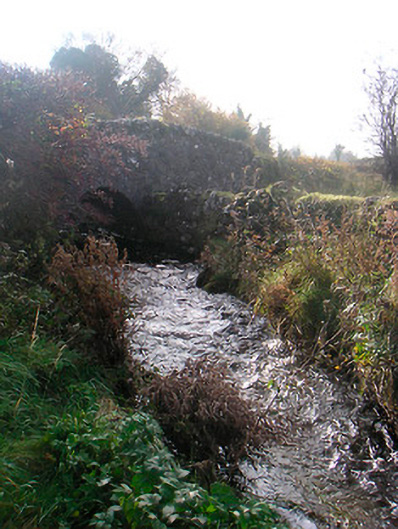 bridgebridge · 1500 yd
 wellwell · 1.0 mi
 Plary Monastery (in Ruins)Castle, tower house · 1.4 mi
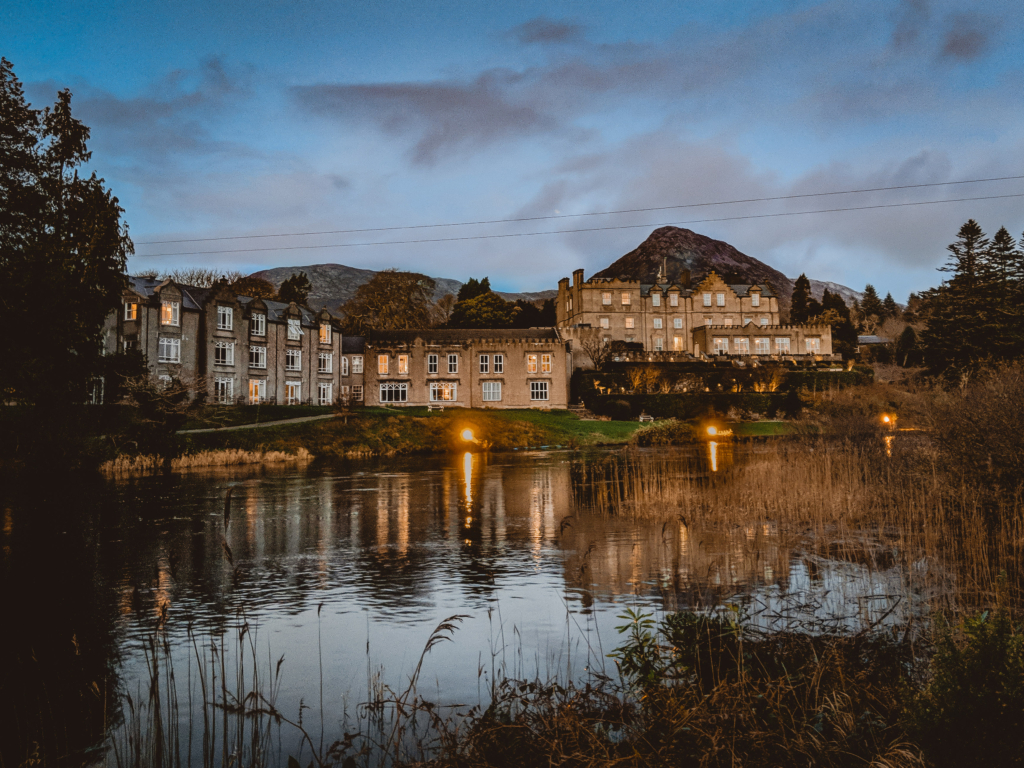 Bishopstown Castle in ruinsCastle, unclassified · 1.7 mi
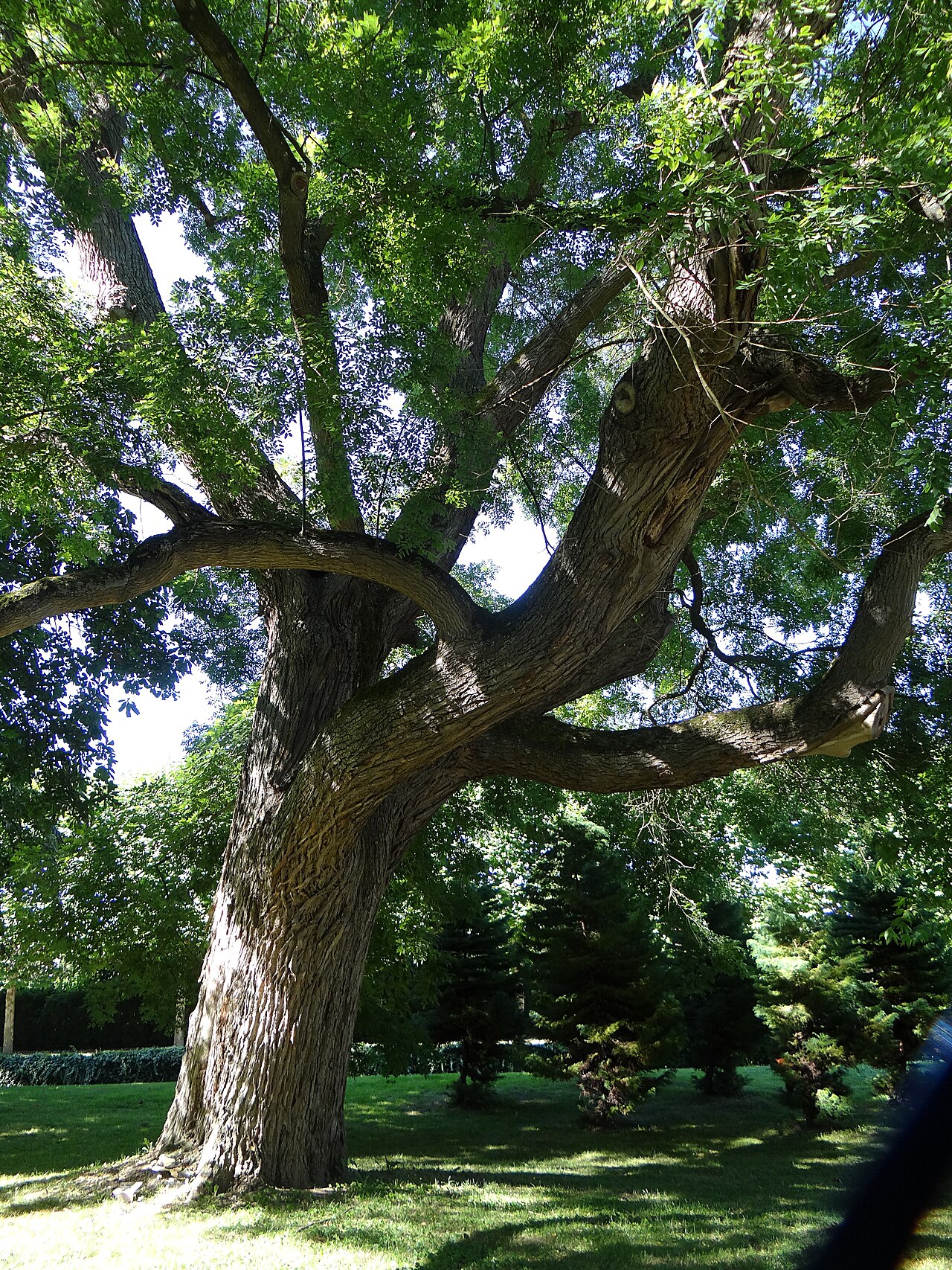 Japanese pagoda treeJapanese pagoda tree · 2.0 mi
 Corran IslandIslet · 2.2 mi
 Sam's ParkForest · 2.3 mi
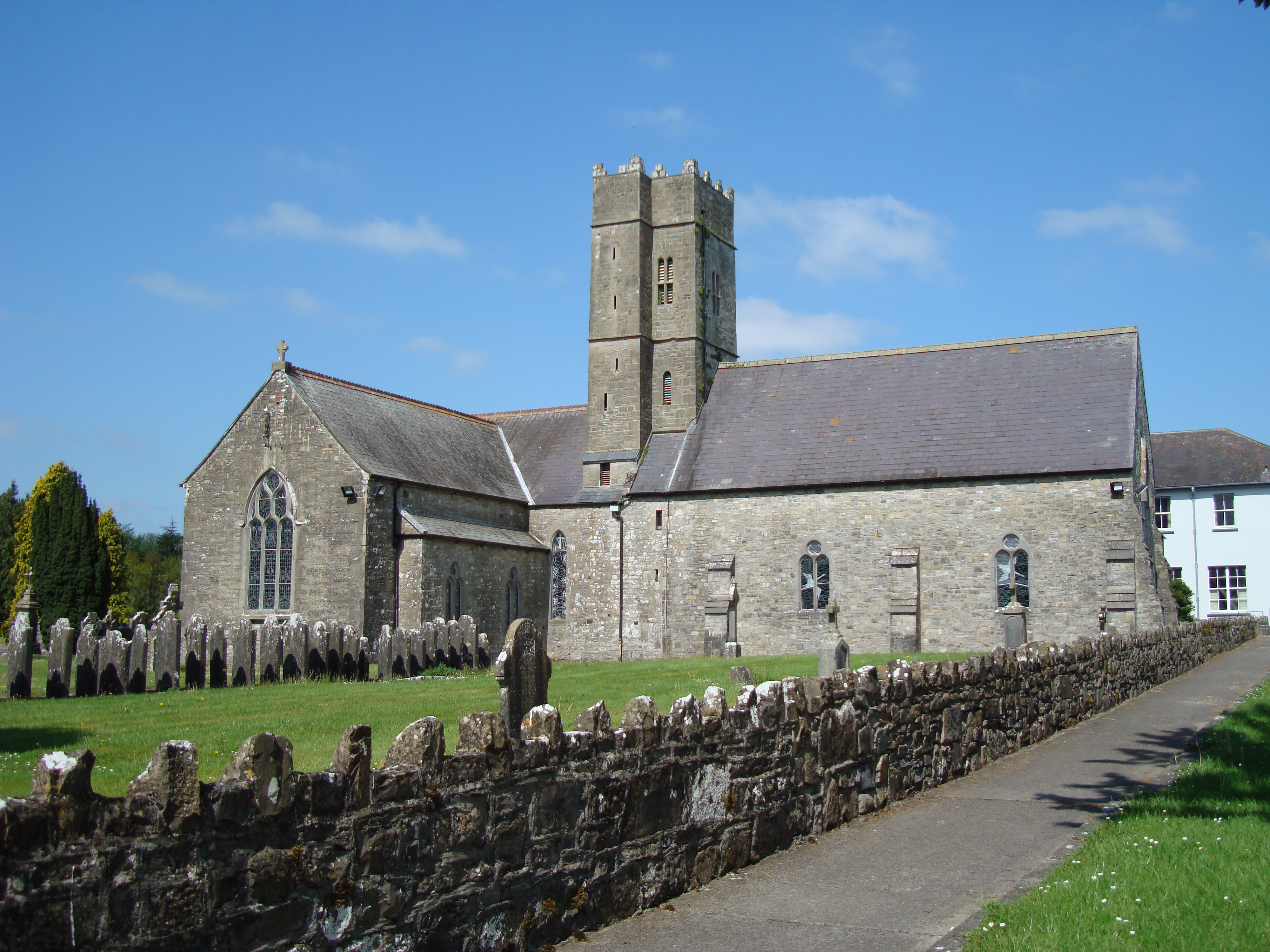 KnockastiaMountain / peak · 2.4 mi
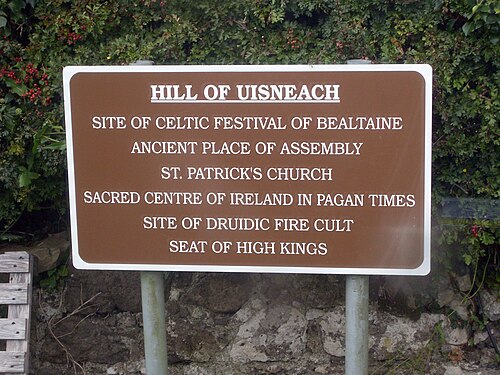 Hill of UisneachMountain / peak · 3.6 mi
 Dún na Sí Heritage CentreMuseum · 6.2 mi
Other information
Photo: Credit not shown in the picture search · Rights wording not checked; contact us if this picture should be removed