What is recorded here
Shanmullagh Hill in County Longford still shadows the memory of Ballinamuck, where General Humbert led eight hundred French and fifteen hundred Irish against thirty thousand British soldiers on 8 September 1798. The French surrendered after a brief fight, but the Irish line broke into indiscriminate slaughter, leaving perhaps five hundred men dead on the hill and another five hundred lost in the aftermath. The tragedy scarred local folklore and inspired later violence, while ninety-six French officers and seven hundred forty-eight men were taken prisoner and sent to Dublin.
The battle of Ballinamuck took place on the 8th September 1798 when a force of 800 French, under the command of General Humbert, together with about 1,500 Irish faced a combined British force of 14,000 men under General Lake and 15,000 under Lord Cornwallis, the new Irish viceroy. Humbert drew up his forces on Shanmullagh Hill and after a brief engagement with the British forces, the French surrendered. The success in breaking the United Irish/French lines by government troops effectively marked the end of the battle and the start of an indiscriminate slaughter of the Irish forces. Estimates of the number of causalities vary and it is believed that 500 Irishmen died on Shanmullagh Hill and possibly the same number in the ensuing mopping up operations. Some 96 French officers and 748 men were taken prisoner: they were taken by canal to Dublin and repatriated. The British army subsequently began a brutal campaign of killing and house burning that culminated in the taking of the town of Killala, Co. Mayo, on 23 September with much slaughter. The catastrophe at Ballinamuck left a strong imprint on social memory and has featured strongly in local folklore. The locations of 'Soldiers Graves' were recorded by the OS in the early 20th century and marked on the relevant maps (see LF002-011002-, LF002-011003-,LF002-011004-,LF002-011005-).
Compiled by: Paul Walsh
Date of upload: 8 January 2013
The monument record does not grant public access. Check the route and ask the landowner before entering private land.
- What survives
- Recorded monument
Places near here
 Battle of BallinamuckMajor battlefield · 301 yd
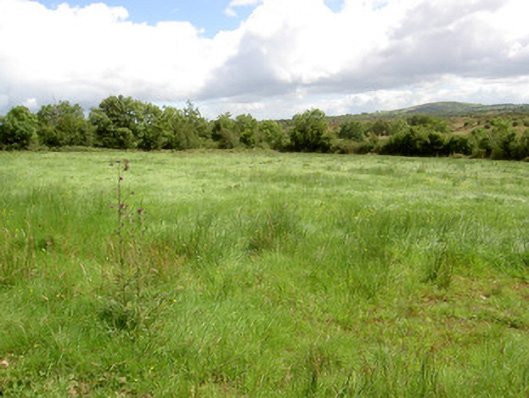 battlefieldbattlefield · 317 yd
 Man-made underground passage in ShanmullaghMan-made underground passage · 366 yd
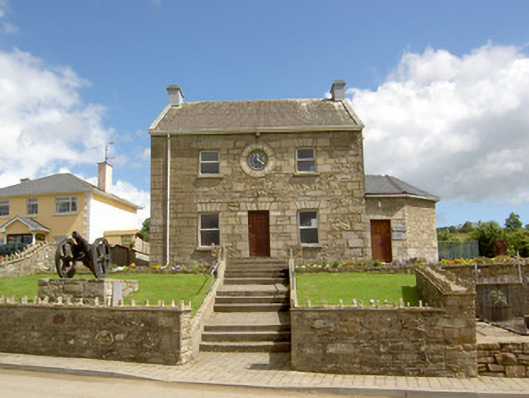 Ballinamuck 1798 Visitor CentreRIC barracks · 397 yd
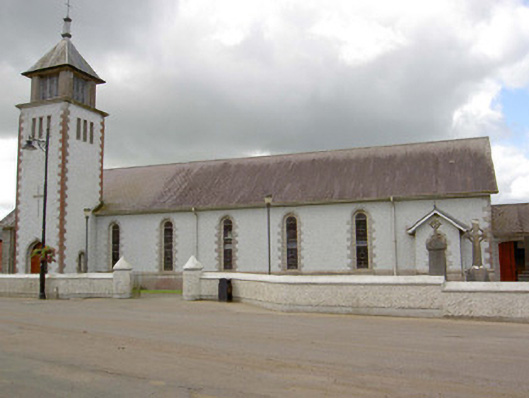 Saint Patrick's Catholic Churchchurch/chapel · 407 yd
 BarrowBarrow, ring-barrow · 1263 yd
 Ballinamuck Bog LoopWalking route · 1.7 mi
 Native Woodland Trust: Farnaght ReserveWood · 2.7 mi
 North Midland Transport CollectionMuseum · 3.2 mi
 OratoryCastle, tower house · 4.6 mi
 Giant's GraveArchaeological place · 5.7 mi
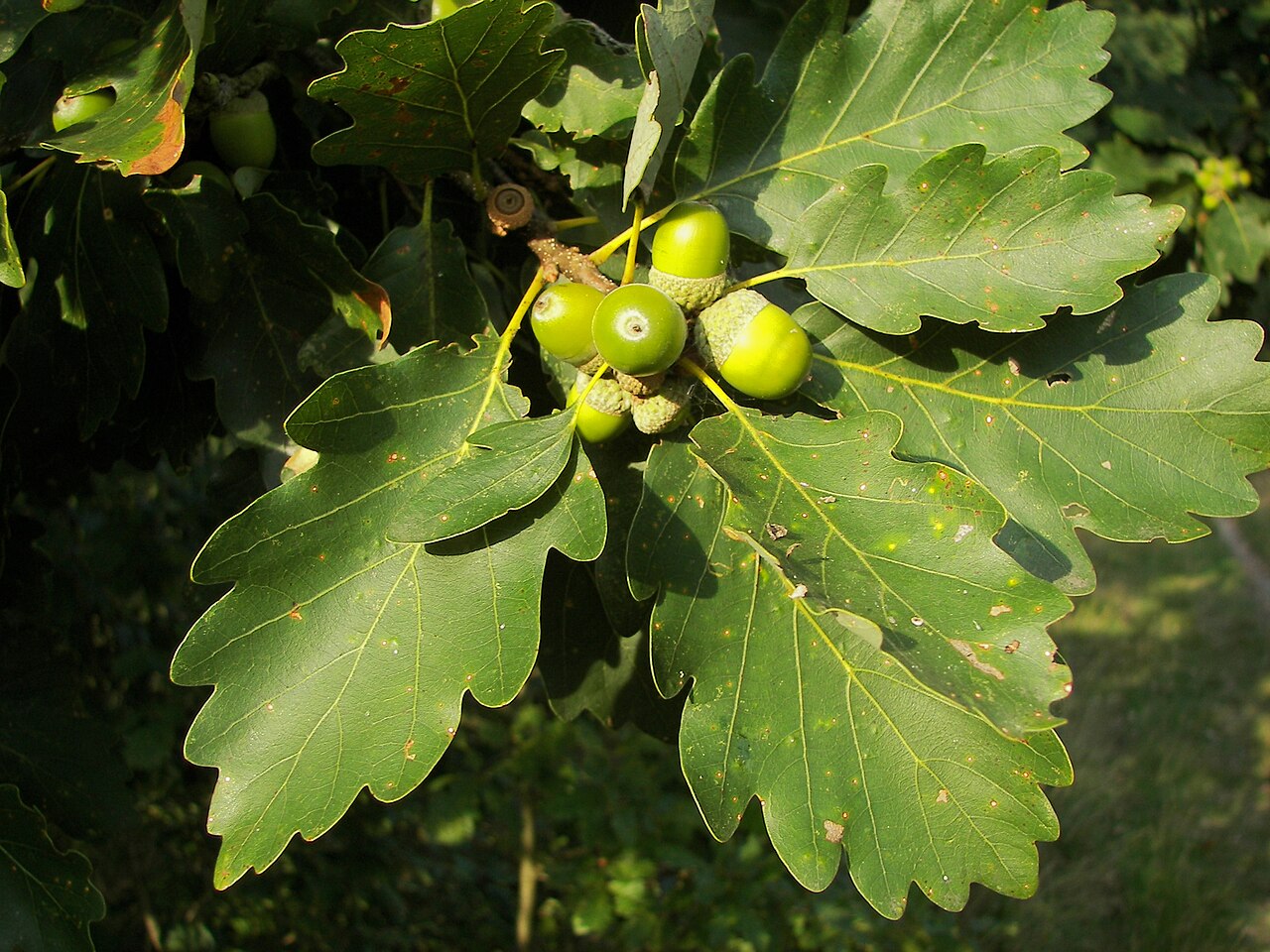 Sessile OakSessile Oak · 5.8 mi