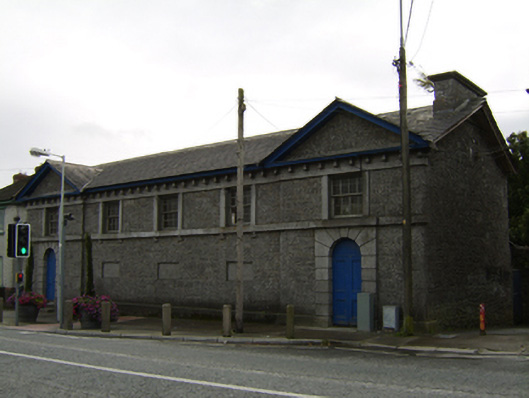
What is recorded here
End of terrace five-bay two-storey former school, built c.1860, with pedimented advanced end bays having slightly lower roofs. Wedge-shaped addition to rear. Now in use as hall. Pitched slate roofs having cut-stone eaves course, carved limestone corbel course to overhanging eaves, and cut limestone chimneystacks. Timber rails to pediments. Dressed snecked limestone walls having cut-stone plinth, and with recessed rectangular panels to ground floor, rubble walls to rear elevation. Square-headed window openings to first floor with eight-over-eight pane timber sliding sash windows, having cut-stone sill course, with moulded brackets to middle windows. Rear windows are fixed timber with dressed voussoirs and block-and-start jambs. Round-headed door openings to advanced bays, set in slightly projecting channelled surrounds, having double-leaf timber panelled doors and timber boarded fanlights, having cut-stone steps with nosings to east doorway. Addition has flat corrugated-iron roof and coursed rubble limestone walls raised with concrete.
The symmetry and broad street frontage of this building make a clear visual contribution to the streetscape. The retention of roof slates, timber doors and sash windows adds textural interest and a patina of age. The extensive use of cut stone is notable and is a feature of many buildings in the town, both public and private. Formerly a free school for boys, it may be one of many supported by the Earl of Clancarty, the provision of schools by him being for many years a source of tension with the local clergy, as they feared his proselytising intentions.
This does not grant access. Most recorded buildings are privately owned; view them only from public ground unless the owner allows entry.
Places near here
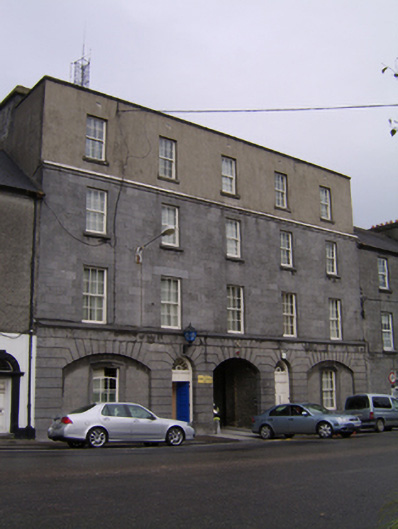 Ballinasloe Garda Síochána Stationhouse · 125 yd
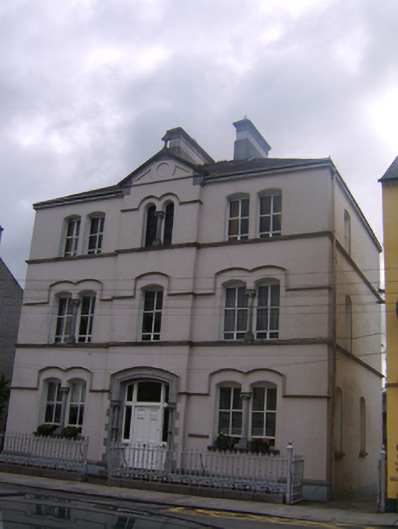 Teach an tSagairtconvent/nunnery · 188 yd
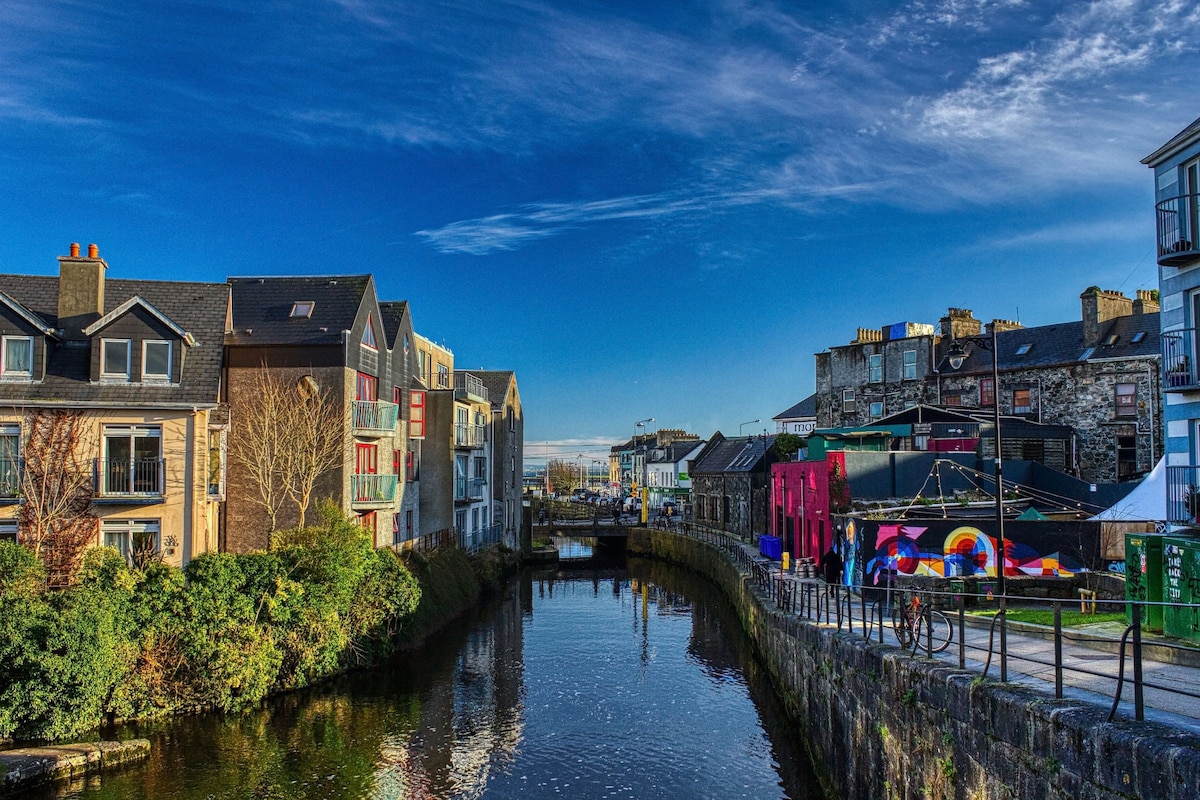 Bawn in Townparks (moycarn By. - Ballinasloe)Bawn · 941 yd
 Enclosure in Ashford,rooaun (moycarn By.)Enclosure · 1493 yd
 Enclosure in CreaghEnclosure · 1.2 mi
 West WoodWood · 1.8 mi
 Ardcarn IslandsIslet · 2.3 mi
 Urraghry HillMountain / peak · 3.0 mi
 Clooncoran IslandIsland · 3.5 mi
 Castle ParkCastle, unclassified · 3.7 mi
 The bloody HollowHeritage attraction · 4.1 mi
 Battle of Aughrim Interpretative CentreMuseum · 4.2 mi
Other information
Photo: National Inventory of Architectural Heritage · Website use allowed for educational or private purposes with source credit