![Aireagal Naomh Finbarr [Saint Finbarr's Oratory]](https://upload.wikimedia.org/wikipedia/commons/7/7f/Gougane_Barra_Interior_-_geograph.org.uk_-_939916.jpg?utm_source=commons.wikimedia.org&utm_campaign=imageinfo&utm_content=original)
More pictures of this place


What is recorded here
The ordinary view hides the useful part of the story. Hynes in the Celtic Revival style, and is an interesting reminder of the interest which was growing at that time in Irish culture and tradition, in art, architecture and literature.
Freestanding gabled-fronted single-cell Celtic Revival style Roman Catholic church, built 1903, with three-bay side elevations and recent sacristy to side (north). Pitched artificial slate roof with uPVC rainwater goods, cross on east gable and string course with corbels. Coursed limestone walls with concrete quoins. Round-headed openings with block-and-start concrete surrounds and fixed-pane stained glass windows. Round-headed door opening with carved limestone surround, comprising engaged columns flanking entrance, with moulded archivolt, chevrons, hood moulding and sculpted head above. Timber battened double-leaf doors with wrought-iron strap hinges. Interior with barrel vaulted ceiling and freestanding altar.
Hynes in the Celtic Revival style, and is an interesting reminder of the interest which was growing at that time in Irish culture and tradition, in art, architecture and literature.
Set on a tiny island in the lake which is the source of the River Lee, the spectacular setting contributes greatly to this building's character and charm. Oileán an Chuilinn [Holy Island] was the site of An Mhainistir Naomh Finbarr [Saint Finbarr's Monastery] and is an area of archaeological significance. The church was designed by S.F. Hynes in the Celtic Revival style, and is an interesting reminder of the interest which was growing at that time in Irish culture and tradition, in art, architecture and literature. The altar and stained glass, which were designed by M.J.C. Buckley, add artistic interest.
The story behind this place
Hynes in the Celtic Revival style, and is an interesting reminder of the interest which was growing at that time in Irish culture and tradition, in art, architecture and literature.
This does not grant access. Most recorded buildings are privately owned; view them only from public ground unless the owner allows entry.
Places near here
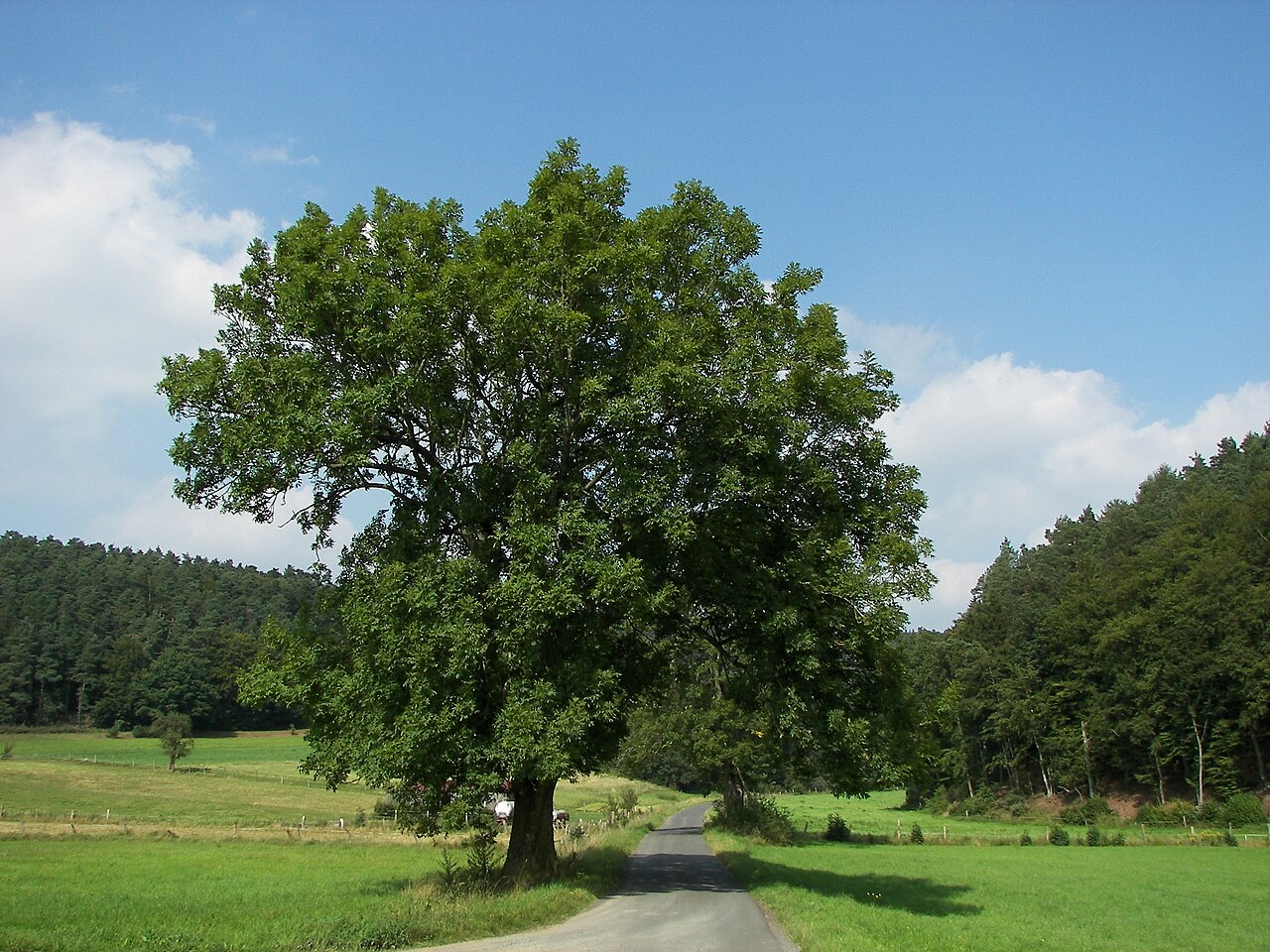 European ashEuropean ash · 37 yd
 Gouganebarra Church (in Ruins)Hermitage · 44 yd
 St Finbars WellHoly well · 49 yd
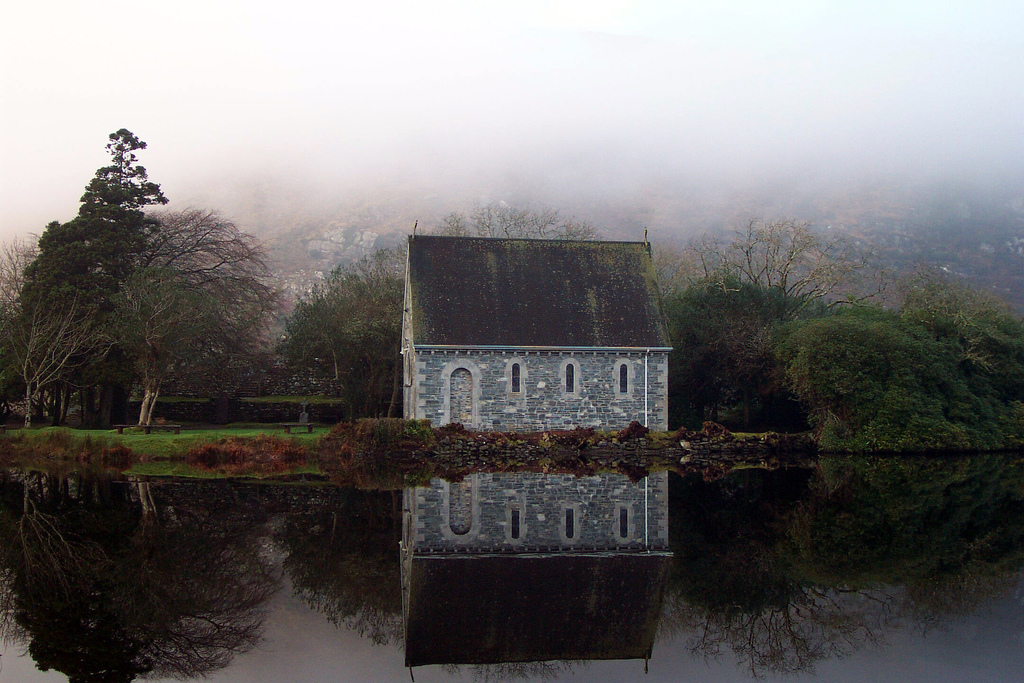 Gougane BarraValley and heritage place · 278 yd
 Clapper bridge in Ros An LochaClapper bridge · 506 yd
 FoilastookeenMountain / peak · 1.3 mi
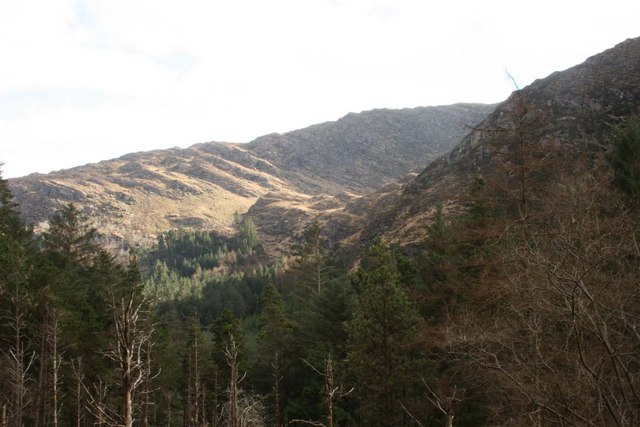 BealickMountain / peak · 1.3 mi
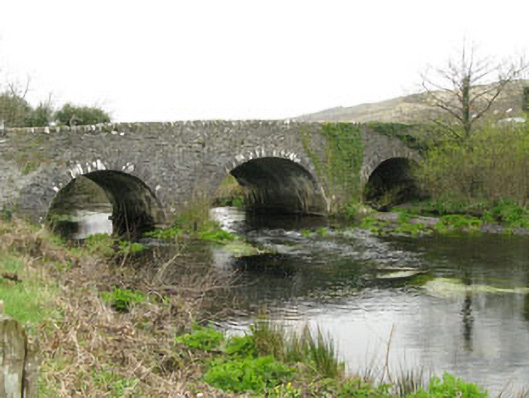 Inchinossig Bridgebridge · 3.4 mi
 CaoinkeenCliff · 4.9 mi
 St Finbarr's Pilgrim RouteWalking route · 5.9 mi
 Kilgarvan Motor MuseumMuseum · 6.0 mi
 Sli Gaeltacht MuscraiWalking route · 6.0 mi
Other information
Photo: Andrew Wood · CC BY-SA 2.0