
What is recorded here
Wimbledon Windmill was built in 1817 after the lord of the manor tried to enclose common land. The unusual hollow-post mill stopped working in 1864, but local action saved it and its machinery, making it a lasting witness to both milling and the defence of Wimbledon Common.
Why it was built
Charles March obtained permission for a windmill while seeking control of the common, and the mill began grinding grain in 1817.
People and work
Millers worked its sails, stones and gearing until Earl Spencer bought out the last miller during the successful fight against enclosure.
How it changed
After milling ended, the building became living space and later a museum; storm damage led to major repairs.
What survives
The timber body, brick base, sails, internal machinery and exhibits about milling and common-land history survive.
Why it mattered
The windmill records everyday food production and the struggle that kept a large part of Wimbledon Common open to everyone.
Sources for this account
Sources checked 16 August 2026.
From OpenStreetMap (© OpenStreetMap contributors) w411460232
Places near here
Photo credits
- N Chadwick, Wikimedia Commons · CC BY-SA 2.0
- Andrew Wilson, Wikimedia Commons · CC BY-SA 2.0
- Derek Harper, Wikimedia Commons · CC BY-SA 2.0
- Marathon, Wikimedia Commons · CC BY-SA 2.0
- Robin Webster, Wikimedia Commons · CC BY-SA 2.0
- Paul Gillett, Wikimedia Commons · CC BY-SA 2.0
- Neil Theasby, Wikimedia Commons · CC BY-SA 2.0
- Aleksmot at English Wikipedia, Wikimedia Commons · Public domain
- David Anstiss, Wikimedia Commons · CC BY-SA 2.0
 The Old WindmillListed building · 2 yd
 Boundary stone, Wimbledon CommonMonument or public art · 58 yd
 Apostolic NunciatureListed building · 613 yd
 Jerry's HillMountain / peak · 687 yd
 Putney Vale CemeteryRegistered park or garden · 709 yd
 Little AlpMountain / peak · 729 yd
 Henman HillViewpoint · 1207 yd
 Hartley Memorial Obelisk, Putney HeathMonument or public art · 1300 yd
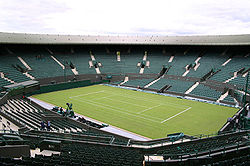 No. 1 CourtStadium · 1305 yd
 Hartley's ObeliskMemorial · 1312 yd
 Wimbledon Lawn Tennis MuseumMuseum · 1421 yd
 Caesar's CampVisitor information · 1550 yd
More things to do in London Borough of Merton · All of London Borough of Merton

What do you know about this place?Tap to add a comment or ask a question