What is recorded here
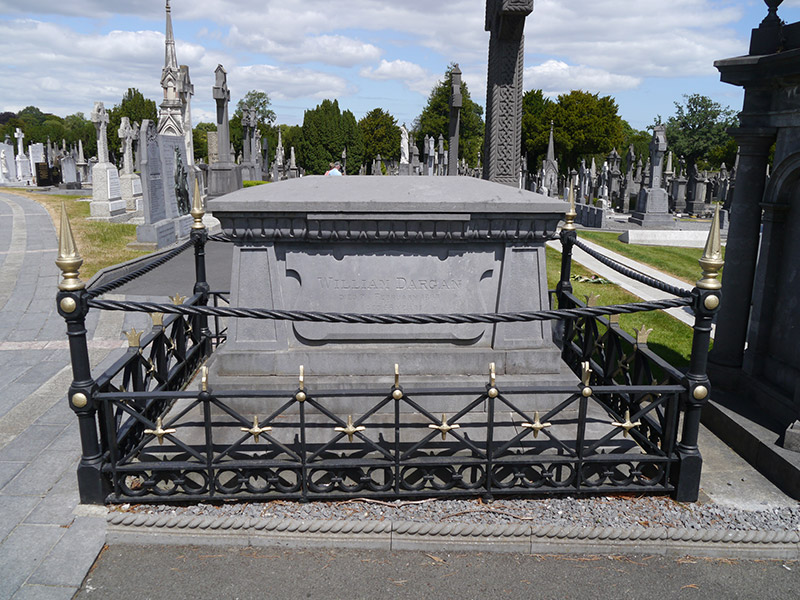
William Dargan Monument keeps its stonework restrained among the grand Celtic and Gothic memorials. Even the tulip leaves are kept to one trim. You’d swear the railway engineer had seen the neighbours’ designs and asked how much of that was actually holding anything up.
Freestanding rectangular-plan limestone sarcophagus-type funerary monument, erected 1867 as burial place of William Dargan, celebrated engineer. Sloping limestone base supporting stepped plinth. Sarcophagus has tapered corner pilasters with recessed stippled panels, tulip-leaf cornice and saddleback lid. Profiled raised panel to front (south) face inscribed 'William Dargan Died 7 February 1867 aged 68 years'. Enclosure bounded by decorative cast-iron railings with tall corner piers, latter having fluted tapering finials, supporting wrought-iron rope rails. Located to east of O'Connell Monument.
An attractive and well-proportioned limestone funerary monument in the form of a sarcophagus, erected in 1867 to the memory of William Dargan (1799-1867), one of the most celebrated Irish engineers. Having served under Thomas Telford in his early career, he oversaw construction of the first railway line in Ireland, between Dublin and Dún Laoghaire, in 1833, and by the time of his death he had been responsible for over 1300km of railway connecting major centres throughout the country, marking a significant improvement in the island's communications and economic networks, often at his own personal expense. Dargan also did much to elevate the wages and conditions of labourers and was a key employer during the Famine years. The monument is characterized by restrained classical detailing and is rather sober, in contrast to the large number of elaborate Celtic and Gothic memorials that were popular at the period. It is enlivened by fine iron railings and is prominently located at a corner site. It is among a number of notable monuments of considerable architectural quality and craftsmanship within Glasnevin Cemetery. Originally known as Prospect Cemetery, the burial ground was opened in 1832 following a successful campaign by Daniel O'Connell, as a civic, non-denominational cemetery. It holds the graves and memorials of over one million people, including many notable citizens.
From the Buildings of Ireland (National Inventory of Architectural Heritage) record 50130085
This does not grant access. Most recorded buildings are privately owned; view them only from public ground unless the owner allows entry.
Places near here
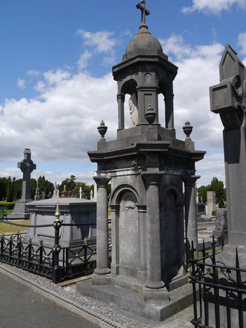 Fleming MonumentGrave monument · 3 yd
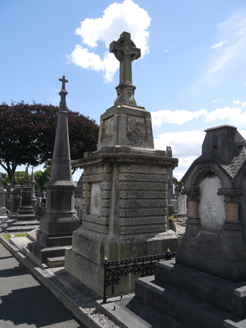 Barton MonumentGrave monument · 6 yd
 The O'Connell TowerHeritage attraction · 34 yd
 Michael CollinsMemorial · 64 yd
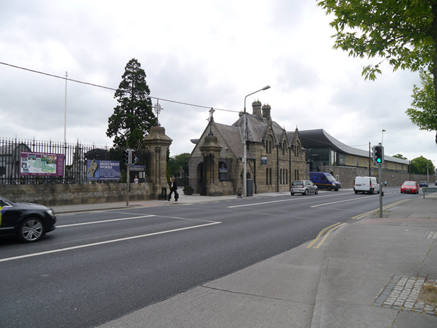 Glasnevin CemeteryGates/railings/walls · 75 yd
 Glasnevin cemetery Ireland's necropolisVisitor information · 329 yd
 Caucasian zelkova387 yd
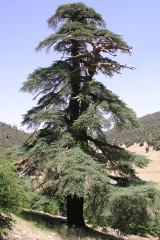 Atlas Cedar443 ydGlasnevin VillageVisitor information · 569 ydIndicatedHoly well · 710 ydBurial in Unknown TownlandBurial · 729 yd
 Frank DuffMemorial · 904 yd
Pictures: National Inventory of Architectural Heritage; Gareth James, Geograph · CC BY-SA 2.0; Kurt Stüber [1], Wikimedia Commons · CC BY-SA 3.0; Nikos D. Karabelas, Wikimedia Commons · CC BY 4.0; Cograng, Wikimedia Commons · CC BY-SA 4.0
More historic places in County Dublin · All of County Dublin
What do you know about this place?