What is recorded here
Three clay urns appeared near Castlesaffron in 1737, set in a triangle beside a ringfort. One held a man whose bones were tied with green rusted copper wire, another contained a honey-like substance, and the third kept irregular copper pieces. The clay soon mouldered in air, erasing the shape of the dead and leaving behind only the memory that someone had arranged them with care.
According to Smith (1750, Vol. 2, 410-11), 'in the year 1737, three large urns were discovered near Castle-saffron...placed in a kind of triangle in the earth about 100 yards from [a ringfort]; ...made of a fine clay...which soon mouldered in the air...they had a rude kind of carved work around the rims,...about sixteen inches in diameter, as was...bottom; but the middle of the side about two feet, and each urn was four feet high. In one...was...skeleton of a man,...ribs and smaller bones...bundled up,..tied with copper wire rusted green, as were...thighs, arms, etc...skull...placed near...mouth of...urn; none of these...had passed the fire. In second urn...a substance like honey, supposed to be...flesh; ..in third, small quantity of copper pieces...of an irregular shape...void of any inscription or stamp.' According to Waddell (1990, 60), 'could conceivable be a garbled account of a normal urn burial', but Macalister (1928, 130) interpreted it as a 'jar-burial'. Exact location not known.
The above description is derived from the published 'Archaeological Inventory of County Cork. Volume 4: North Cork' (Dublin: Stationery Office, 2000). In certain instances the entries have been revised and updated in the light of recent research.
Date of upload/revision: 14 January 2009
Urn burial in Castlesaffron is a Bronze Age funerary site, dating to approximately 2000–500 BCE. Its significance lies in the presence of large urns made of fine clay, indicating ritual practices associated with cremation and burial in early Irish prehistory.
The monument record does not grant public access. Check the route and ask the landowner before entering private land.
- What survives
- Recorded monument
Places near here
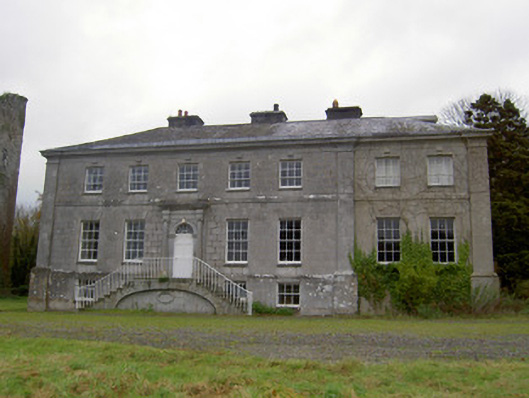 Creagh Castlecountry house · 590 yd
 KilnKiln, lime · 625 yd
 Fulacht fia in Dromdeer WestFulacht fia · 981 yd
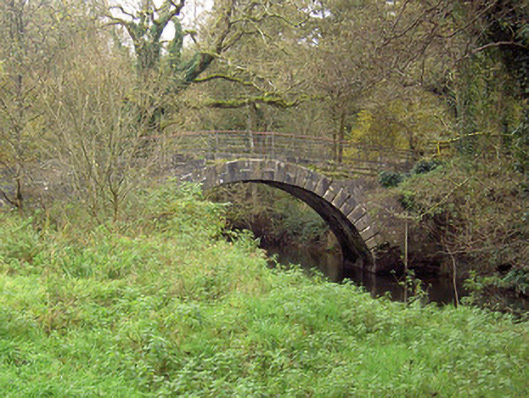 Doneraile Courtfoot bridge · 1392 yd
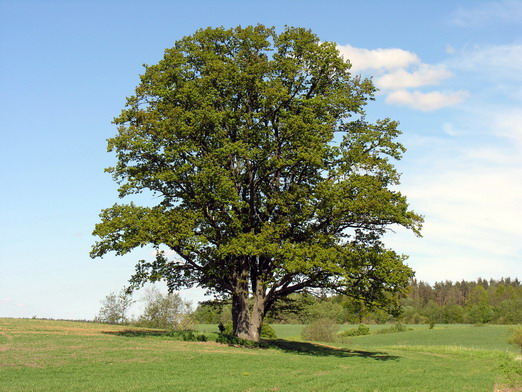 Pedunculate OakPedunculate Oak · 1449 yd
 IndicatedEnclosure · 1573 yd
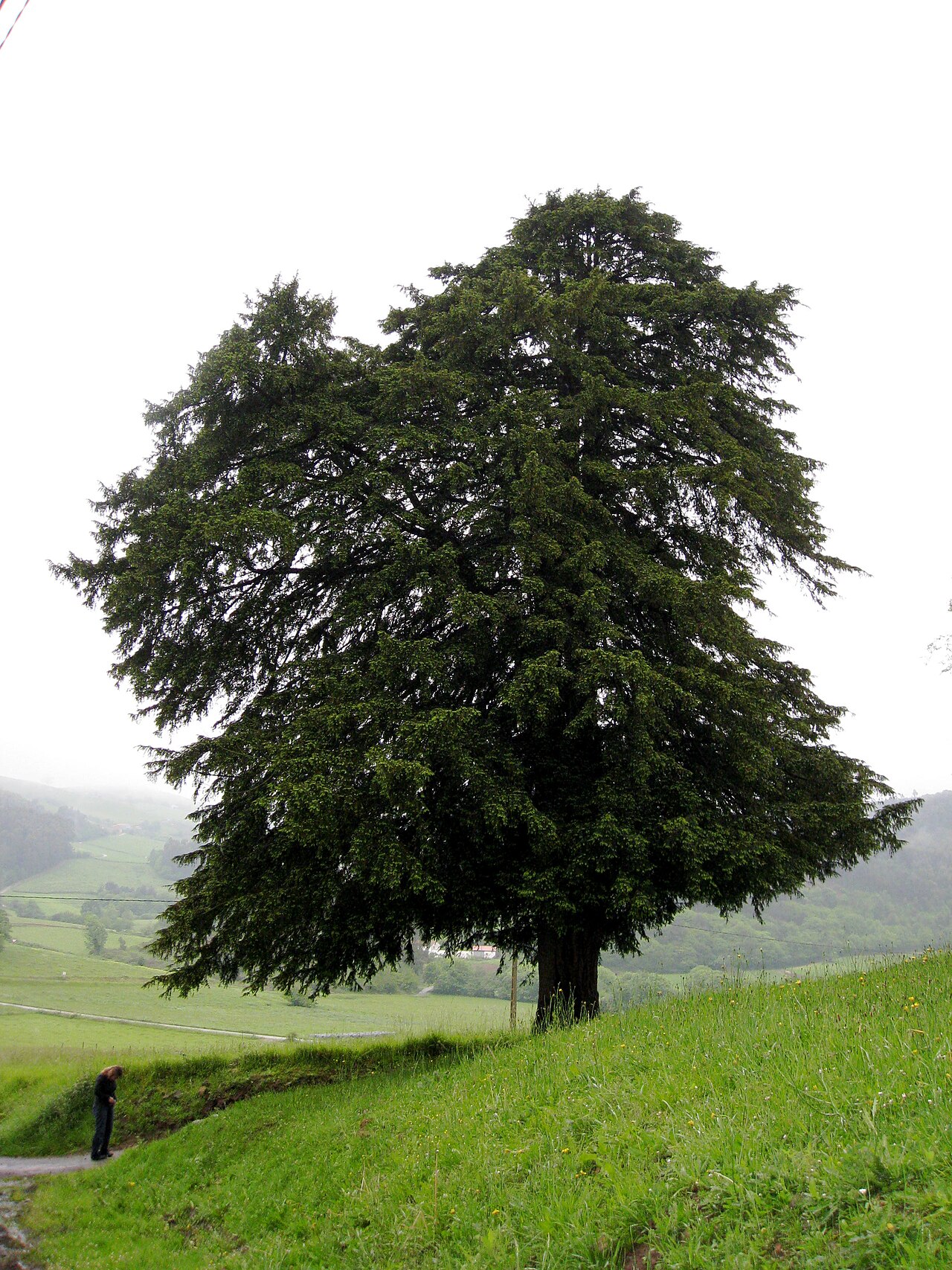 European YewEuropean Yew · 1.3 mi
 Doneraile HouseHeritage attraction · 1.4 mi
 Doneraile Castle (Site of)Castle, unclassified · 1.5 mi
 Smith's WellSpring · 1.9 mi
 Shanballymore Castle (Site of)Castle, unclassified · 3.0 mi
 Blackwater (Avondhu) WayWalking route · 7.3 mi