What is recorded here
You can still see the Cusack tomb in the chancel, a knight carved in shallow stone with only his legs and part of the name left visible. The tomb belongs to County Meath and may mark Sir Lucas Cusack, though time has worn most of the proof away. What survives is enough to imagine: a noble family, a carved honour, and the quiet patience of stone keeping what memory has forgotten.
This is the effigy of a knight (dims 2.17m x 0.84 at bottom to 0.86m at top (W); H 9cm) against the N wall of the chancel. The inscription is in gothic lettering but only the legs of the knight and the name Cusack are extant. (FitzGerald 1911, 409, No. VII; Moore 1970, 26, No. 5; Hunt 1974, 208, No. 192)
It is described by FitzGerald as: This is a slab bearing in low relief, the effigy of a knight, now so weather-worn that the lower portion alone shows the device. An ornamental border runs down the outer edge of the two longer sides, and between it and the knight’s effigy is an inscription now indecipherable except for the words: …CUSAK QONDA D[NI DE KILLEEN] DE / STIRPE ET MACIONE….
If a guess might be hazarded, this effigy possibly represents Sir Lucas Cusack, Knt. Lord of Killeen, whose daughter and heiress Joan married Sir Christopher Plunkett in 1401.
Date of upload: 18 March, 2015
Medieval effigial tomb, 14th–15th century. It is significant as a rare surviving example of a knightly effigy with a partial Cusack inscription, reflecting the memorial traditions of the local aristocracy.
The monument record does not grant public access. Check the route and ask the landowner before entering private land.
- What survives
- Recorded monument
Places near here
 AbbeyChurch · 9 yd
 Killeen CastleCastle, tower house · 87 yd
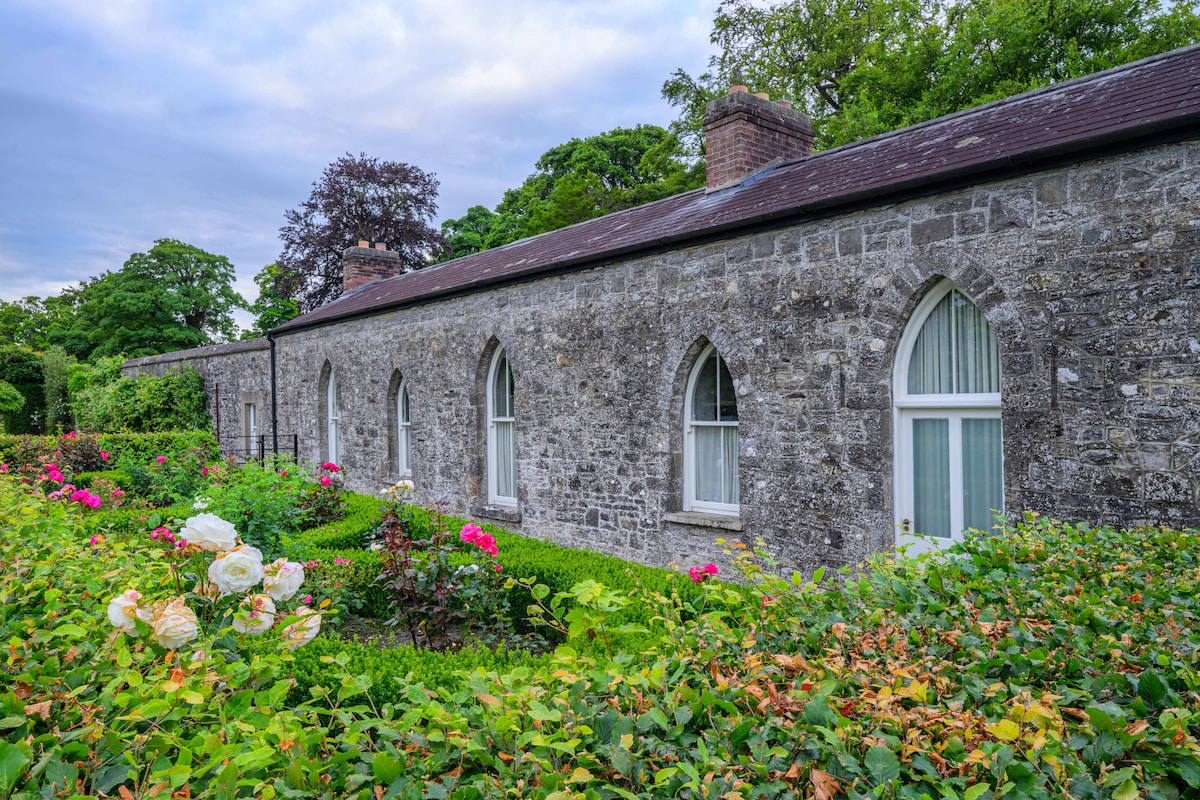 Lady WellHoly well · 189 yd
 CrossCross, Wayside cross · 310 yd
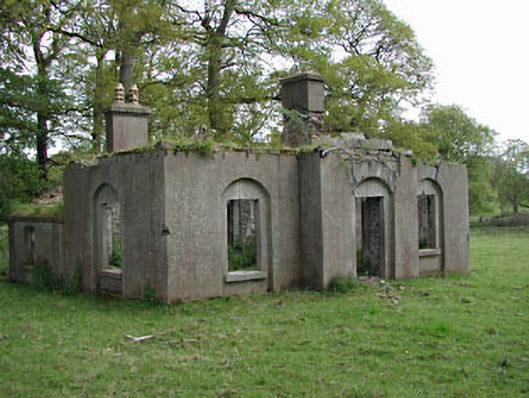 Dunsany Castlegate lodge · 1405 yd
 Laurel WoodsWood · 1417 yd
 Barrack WoodsWood · 1.1 mi
 Battle of Tara Hillbattle · 2.9 mi
 Battle of Tara (Ireland)Major battlefield · 2.9 mi
 Tara Open StudioGallery · 3.1 mi
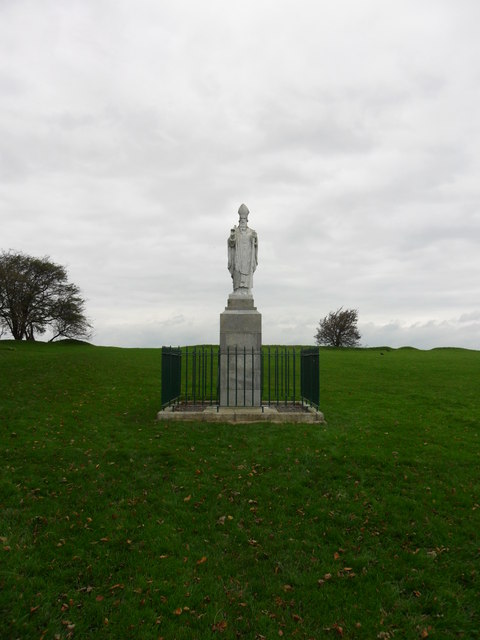 Saint Patrick'sMemorial · 3.2 mi
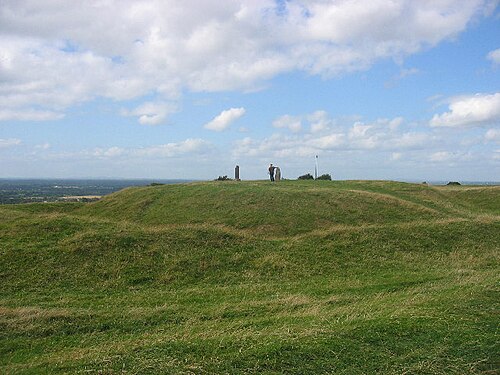 Hill of TaraVisitor information · 3.2 mi