What is recorded here
Ó Danachair (1955, 205) recorded the following details about Tobar na Róimhe [Well of Rome]; 'Tobernarova on 1840 map. The well described in OSNB as "about eighteen inches (0.45m) deep, twelve inches [0.3m] wide at its mouth and twenty-four [0.61m] at the bottom, curiously formed by nature in a solid rock having always the depth of six inches of water in it" seems to have disappeared. The well seen now is a small clear spring with some collapsed dry-stone lining. No traditions of devotion and only a vague tradition that it was a holy well. Legends: The inhabitants of the castle had no water. A bottle of water was blessed by the Pope and sent from Rome; when this was poured on the ground the well sprang up OSNB'. In 1840 the Ordnance Survey described the well as following; 'This little well, which is regarded as sacred by the peasantry, is about 18 inches deep, 12 inches wide at its mouth, and 24 inches wide at the bottom. It is curiously formed by nature in a solid rock, having always a depth of 6 inches of water in it, and it is said that neither the greatest drought nor the heaviest rainfall decreases or fills it. Its formation, as told by the natives is as follows: The family of Oola Castle lacked water and appealed to the Pope, who consecrated a bottle of water for them. The property of this water was that, when poured on the spot where is now the well, a well of excellent water appeared, rendering enough at all times, though not supplied from any other source. The people also affirm that the water of this well cannot be made to boil by any heat' (OSNB Oola Parish, 1422).
See attached photos taken in 1954 by Caoimhín Ó Danachair, courtesy of and © National Folklore Collection, UCD. The Photographic Collection, F025.21.00284 accessible online at www.duchas.ie/en/cbeg/17027 and F025.21.00285 accessible online at www.duchas.ie/en/cbeg/24546.
Compiled and revised by: Caimin O'Brien
Date of revised upload: 25 September 2020
Tobernarova, also known as Tobar na Róimhe, is a holy well associated with Saint Ronan (Róin), a 6th-century Irish saint linked to several sites in Munster. The well was historically visited for its supposed curative properties, particularly for ailments of the eyes and general health, and may have been the site of seasonal rituals or pilgrimages.
The monument record does not grant public access. Check the route and ask the landowner before entering private land.
- What survives
- Recorded monument
Places near here
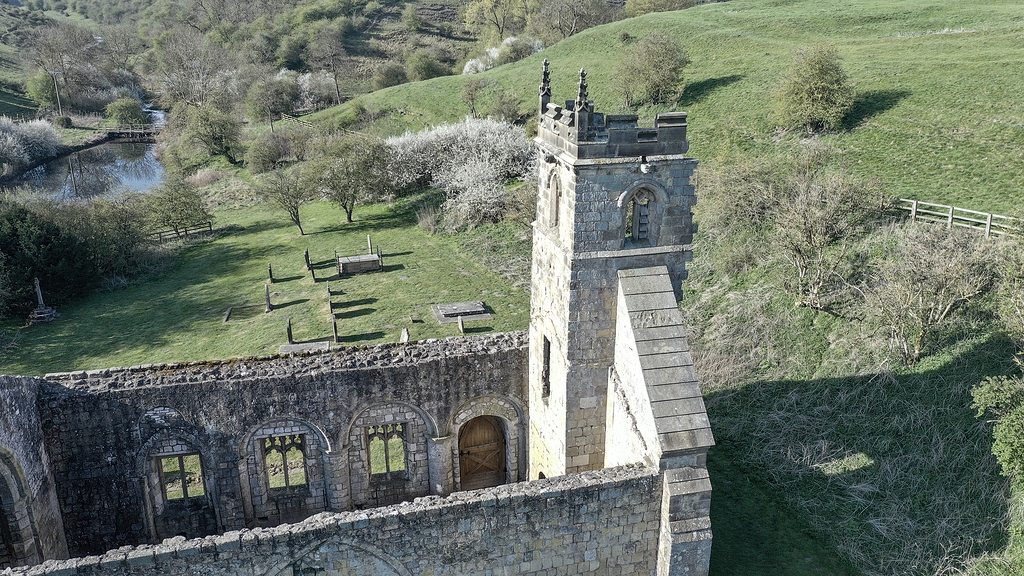 Settlement desertedSettlement deserted, medieval · 459 yd
 Oola Castle (in ruins)Castle, tower house · 664 yd
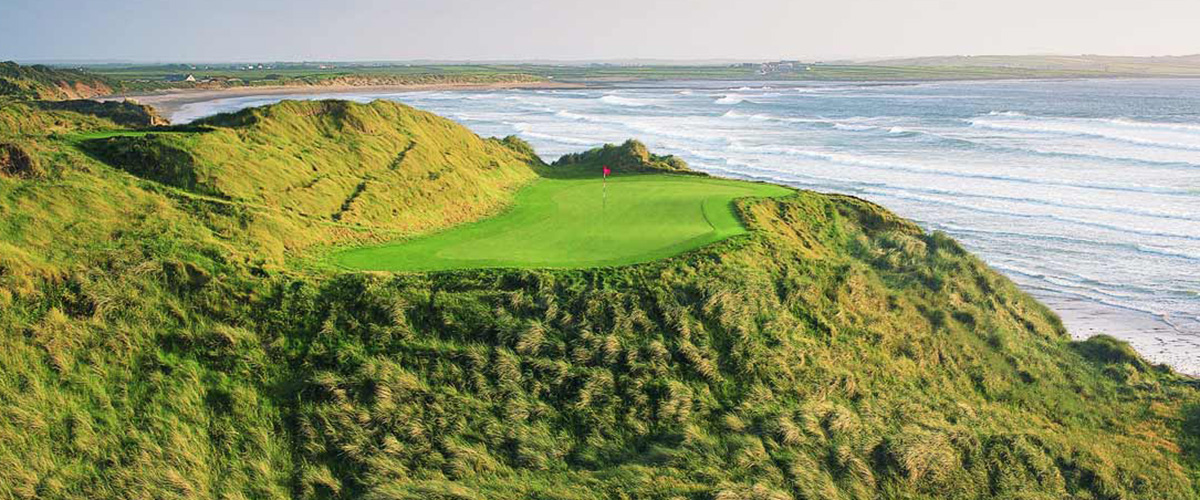 BarrowBarrow, ditch barrow · 822 yd
 Shanaclough Househouse · 1020 yd
 Oola HillMountain / peak · 1025 yd
 CastleCastle, ringwork · 1514 yd
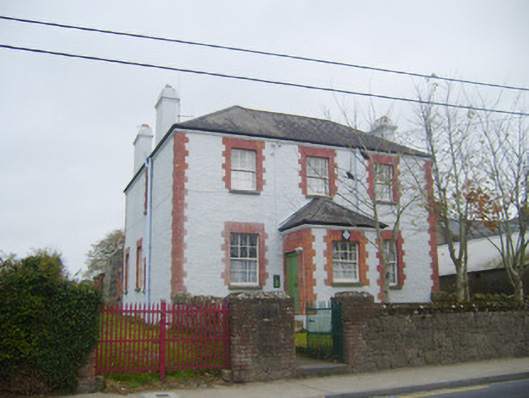 Oola Garda Síochána Stationhouse · 1547 yd
 ToberagaddySpring · 4.3 mi
 St. Patrick's WellSpring · 6.7 mi
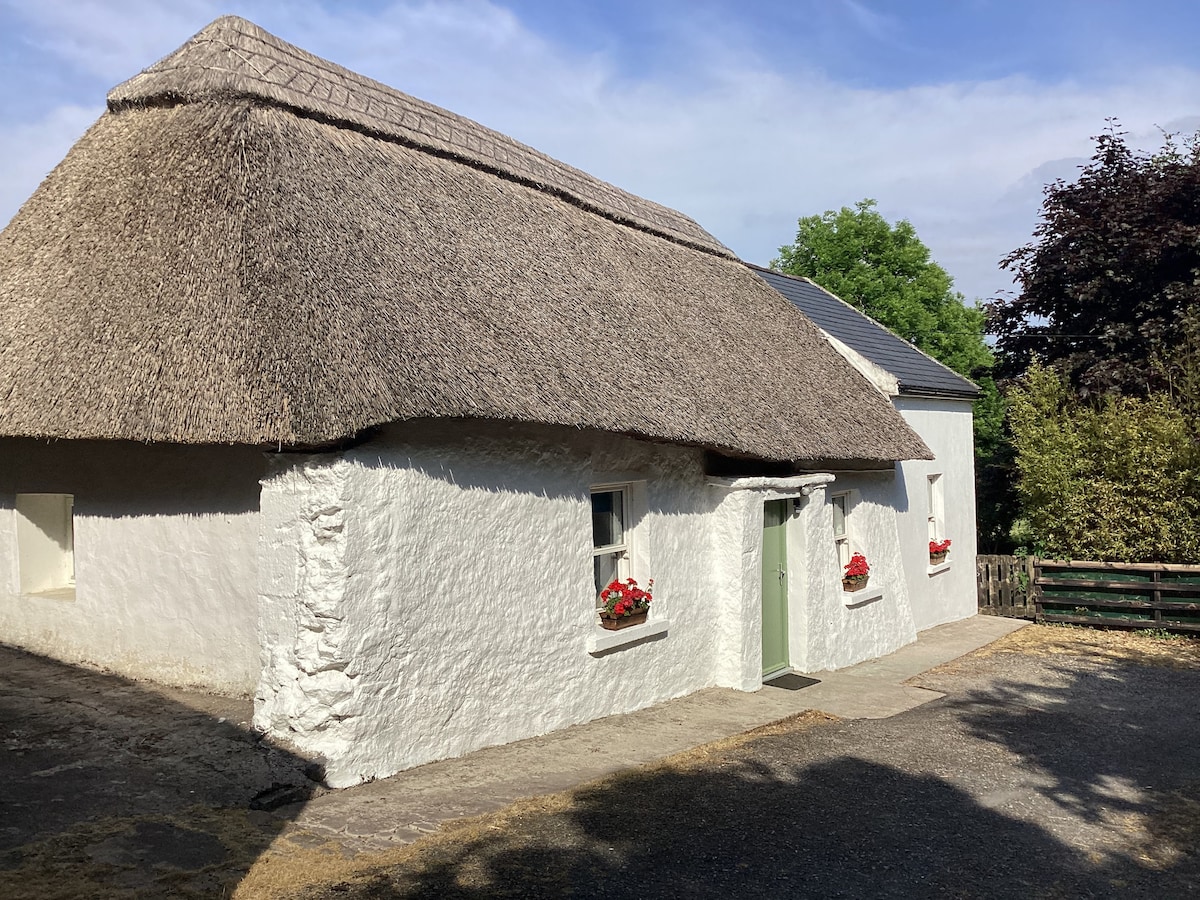 Kilteely HillMountain / peak · 6.9 mi
 Flat cemetery in Knockainy WestFlat cemetery · 10 mi
 Earthwork in Ballybeg (coonagh By.)Earthwork · 1008 yd