
What is recorded here
Toberlaghteen Holy Well in County Limerick is a ritual site where an ash tree overhangs a shallow pool beside a dry masonry cupola. James Keating erected the cupola in 1791 for St. Lachtin, and people once hung rags on the tree, paid rounds on 19th March, and believed the water could ease eye ailments. Local story says the well moved to the other side of the ash tree after a woman washed clothing in it, as if the place could withdraw when treated without reverence.
Ó Danachair (1955, 214) recorded the following details about St. Lachtin's Well; 'Tober laghteen Holy Well on 1840 map. A small masonry cupola, with a slab "This was erected by James Keating in ye year of our Lord 1791 that lived in Grangehill Pray for him". Now dry, but the spring breaks out just beside the cupola in a pool about three yards in diameter. A great ash tree overhangs the well. Devotions formerly on 19th March. None now. The water cured eye ailments. Now provided water for domestic use and cattle. Rags were hung on tree as offerings. Legend: the well moved when profaned'.
The following folklore was recorded from Ballymartin National School about St. Lachtin's Well;'Inscription over well:- This stone was erected by James Keating in year of Our Lord 1791 that lived in Grangehill. ST LACHTIN'S WELL is known as " Tobar Lachtín ". It is situated in Grangehill (Cnoc na Gráinse) about a half-mile from Tory Hill and to the south of it. Lachtín was one of three 6th or 7th century saints. His name occurs again near Newcastle in Cill Lachtín. PATTERN DAY was observed on FEAST OF THE SAINT 19TH MARCH up to about 40 years ago and "Rounds" were paid on that day by the people of the surrounding districts. The well was once profaned by a woman who took some articles of clothing there and washed them in it. Next day it was seen that the well had removed from one side of the ash tree (shown in sketch) to the other. It was in Cnoc Beag. It is now in the south-western corner of Terrig Alt?. It is within a quarter of a mile or less of Teampuilín na Webbana [LI022117001-], a vault-like construction containing human bones, and situated on the summit of Knock na Granshee' (The Schools’ Collection, Volume 0525, Pages 086-7; accessible online at www.duchas.ie/en/cbes/4922104/4852456)
See attached photos taken in 1954 by Caoimhín Ó Danachair, courtesy of and © National Folklore Collection, UCD. The Photographic Collection, F025.21.00440 accessible online at www.duchas.ie/en/cbeg/24504; F025.21.00441 accessible online at www.duchas.ie/en/cbeg/24505and F025.21.00439 accessible online at www.duchas.ie/en/cbeg/17076.
Compiled and revised by: Caimin O'Brien
Date of revised upload: 3 October 2020
Linked to St. Lachtin, a 6th-century Irish saint associated with healing wells, the Toberlaghteen Holy Well was traditionally visited for its supposed curative properties, particularly for eye ailments. A small masonry cupola erected in 1791 by James Keating indicates longstanding local veneration of the site.
The monument record does not grant public access. Check the route and ask the landowner before entering private land.
- What survives
- Recorded monument
Places near here
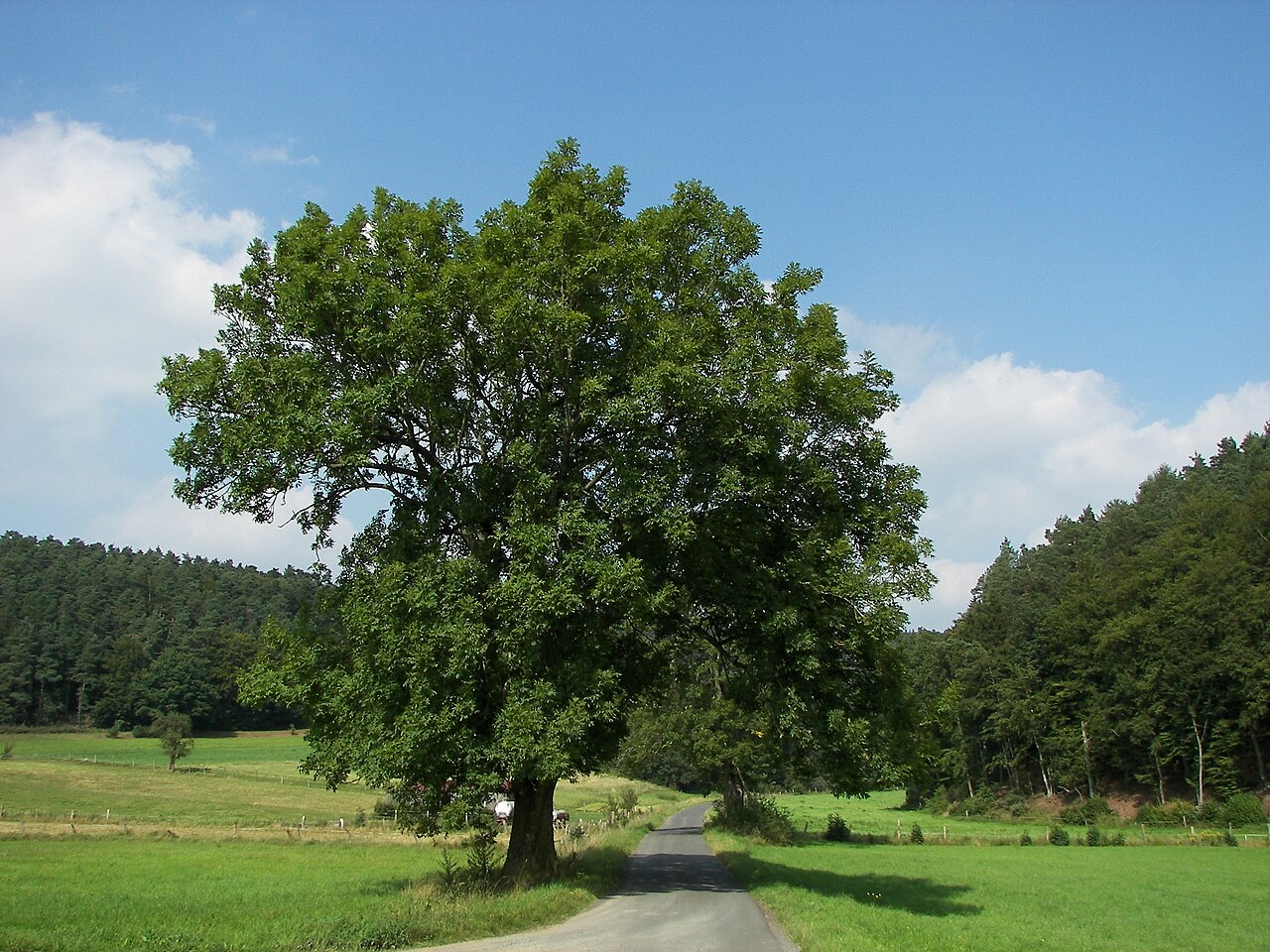 European ashEuropean ash · 12 yd
 Water millWater mill, horizontal-wheeled · 136 yd
 Grave YardGraveyard · 442 yd
 Enclosure in KilleenoghtyEnclosure · 1386 yd
 Fort ElizabethRuins · 1532 yd
 Castle (in ruins)Castle, hall-house · 1639 yd
 Monasteranenagh AbbeyHeritage attraction · 1.4 mi
 Bawn in Rathmore NorthBawn · 1.6 mi
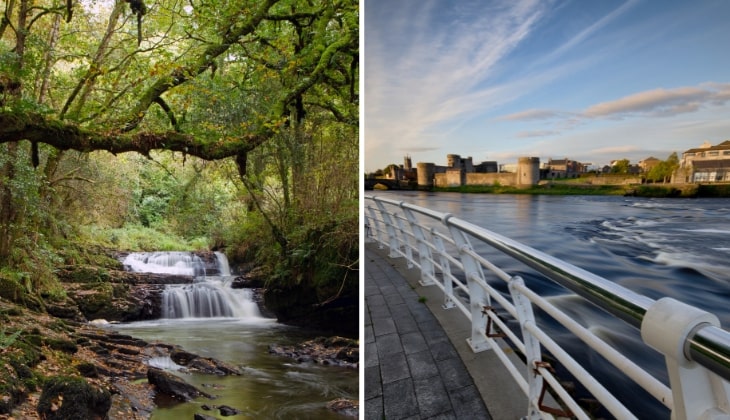 Biodiversity in the Maigue CatchmentVisitor information · 2.4 mi
 Villiers WellSpring · 2.6 mi
 Dysert AenghusaHeritage attraction · 3.4 mi
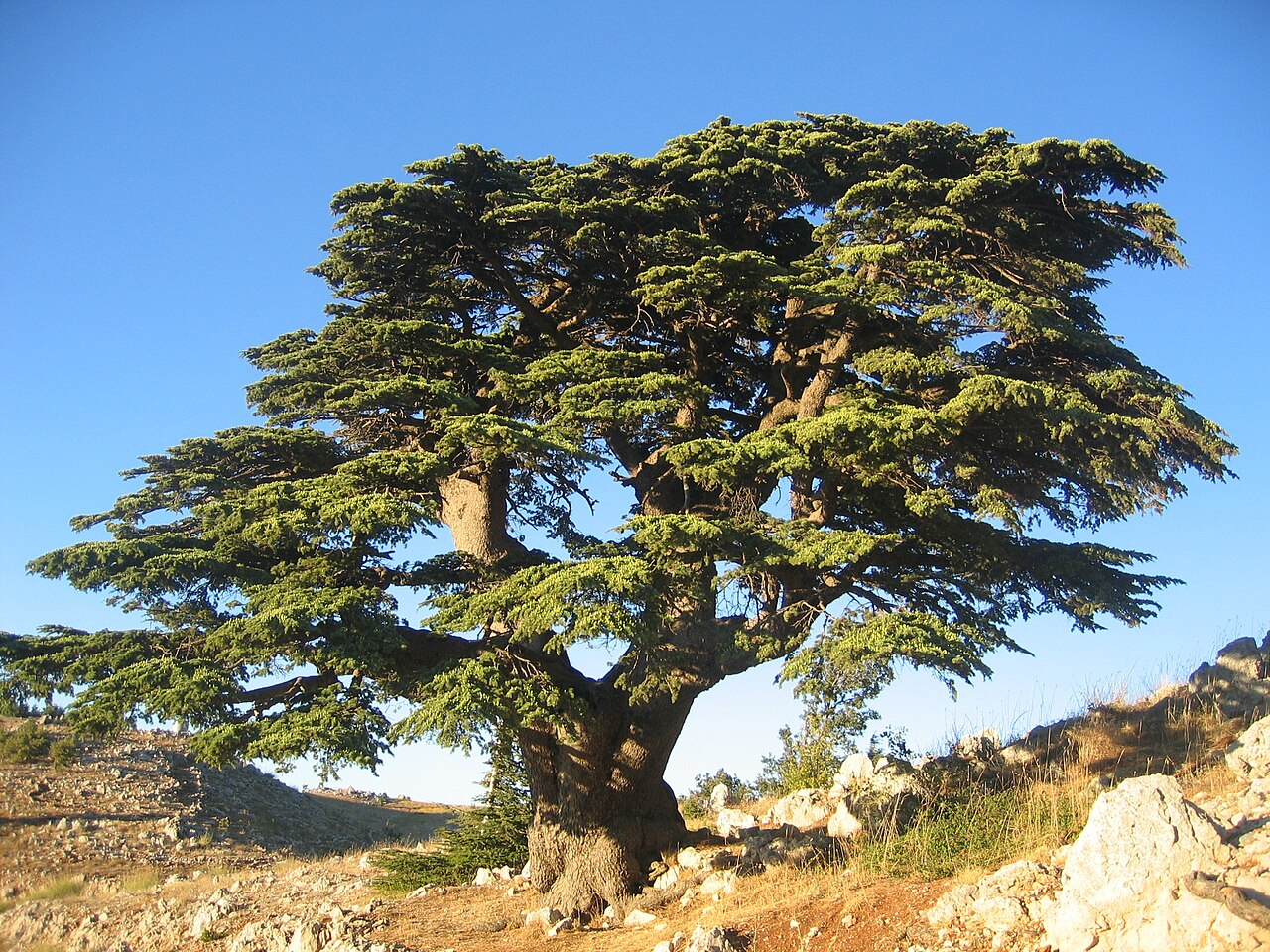 Lebanon CedarLebanon Cedar · 4.9 mi
Other information
Photo: Credit not shown in the picture search · Rights wording not checked; contact us if this picture should be removed