
What is recorded here
Toberfinnan/Tobar Fhionáin: This well is situated on the lower E slopes of Feaghmaan mountain, Valencia Island, adjacent to a ceallúnach burial ground (KE079-109----). Rectangular in form, it is lined by slate slabs. Two modern slate slabs stand over the well, one with a human figure and Tobar Fionnáin carved on its face. Both the well and the ceallúnach were formerly visited on the 16th of March, and the well's water reputedly cured rheumatism (OSL; Delap 1911, 403). This dedicated St Finan is believed to be 'St. Finan Cam' (Anon. 1911, 378).
In 1938 the following folklore was collected from Baile and Ridire or Knightstown School; 'Several years ago the Knight of Kerry did not like to see people going visiting St. Finian's well; and he ordered his men to close up the well. The Knight's steward, who was a protestant, and did not believe in holy wells, ordered the workmen to plough the field near the well. The Knight's daughter, who was in England, got sick. While she was sick, she dreamt that she would get better if her father allowed people to visit the holy well. She wrote to her father and he ordered a wall to be built around the well. and he allowed people to visit the well again. The steward got sick also but when the well was opened again he got better' (The Schools’ Collection, Volume 0479, Page 067; https://www.duchas.ie/en/cbes/4742142/4740193).
See attached colour photographs courtesy of Amanda Clarke.
The above description is derived from A. O'Sullivan and J. Sheehan (compilers), 'The Iveragh peninsula: an archaeological survey of South Kerry'. Cork University Press (1996), no. 1069. In certain instances the entries have been revised and updated in the light of recent research.
Revised by: Caimin O'Brien
Date of revised upload: 30 March 2022
Toberfinnan is associated with Saint Finnian, a 6th-century Irish monk and founder of Clonard Abbey, known for his role in early Irish monastic education. The well may have been a site of pilgrimage and healing, with traditions of water having curative properties, common in Celtic Christian practice.
The monument record does not grant public access. Check the route and ask the landowner before entering private land.
- What survives
- Recorded monument
Places near here
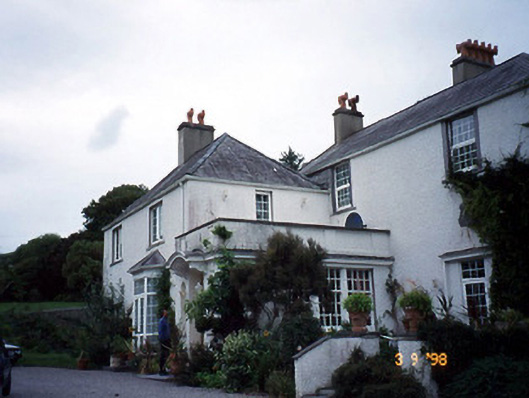 Glanleam Housemill (water) · 588 yd
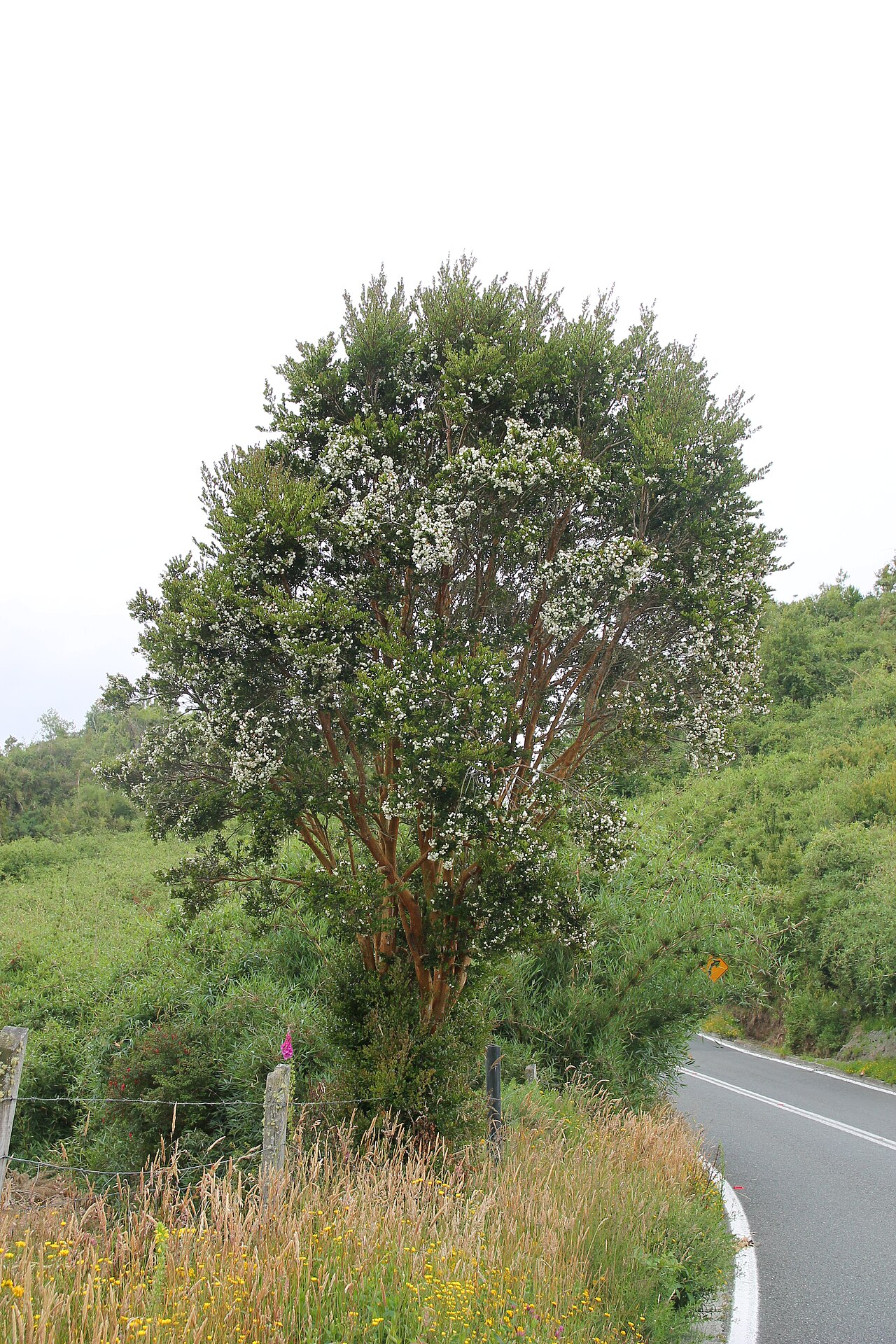 Chilean myrtleChilean myrtle · 598 yd
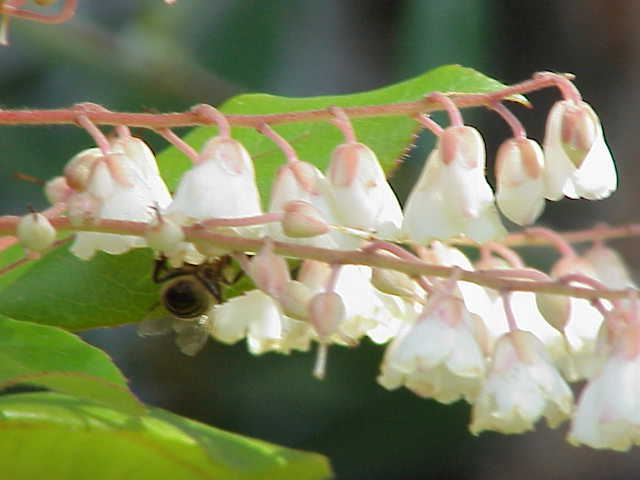 Lily-of-the-valley treeLily-of-the-valley tree · 625 yd
 Enclosure in GlanleamEnclosure · 854 yd
 Stone CrossCross · 1073 yd
 Kilbeg MountainMountain / peak · 1093 yd
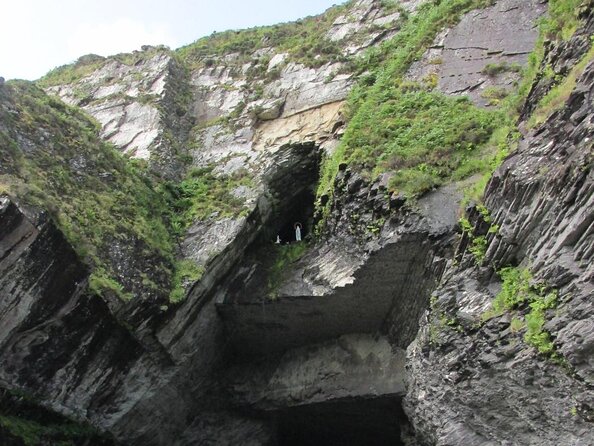 Slate QuarryQuarry · 1139 yd
 The GrottoCave · 1195 yd
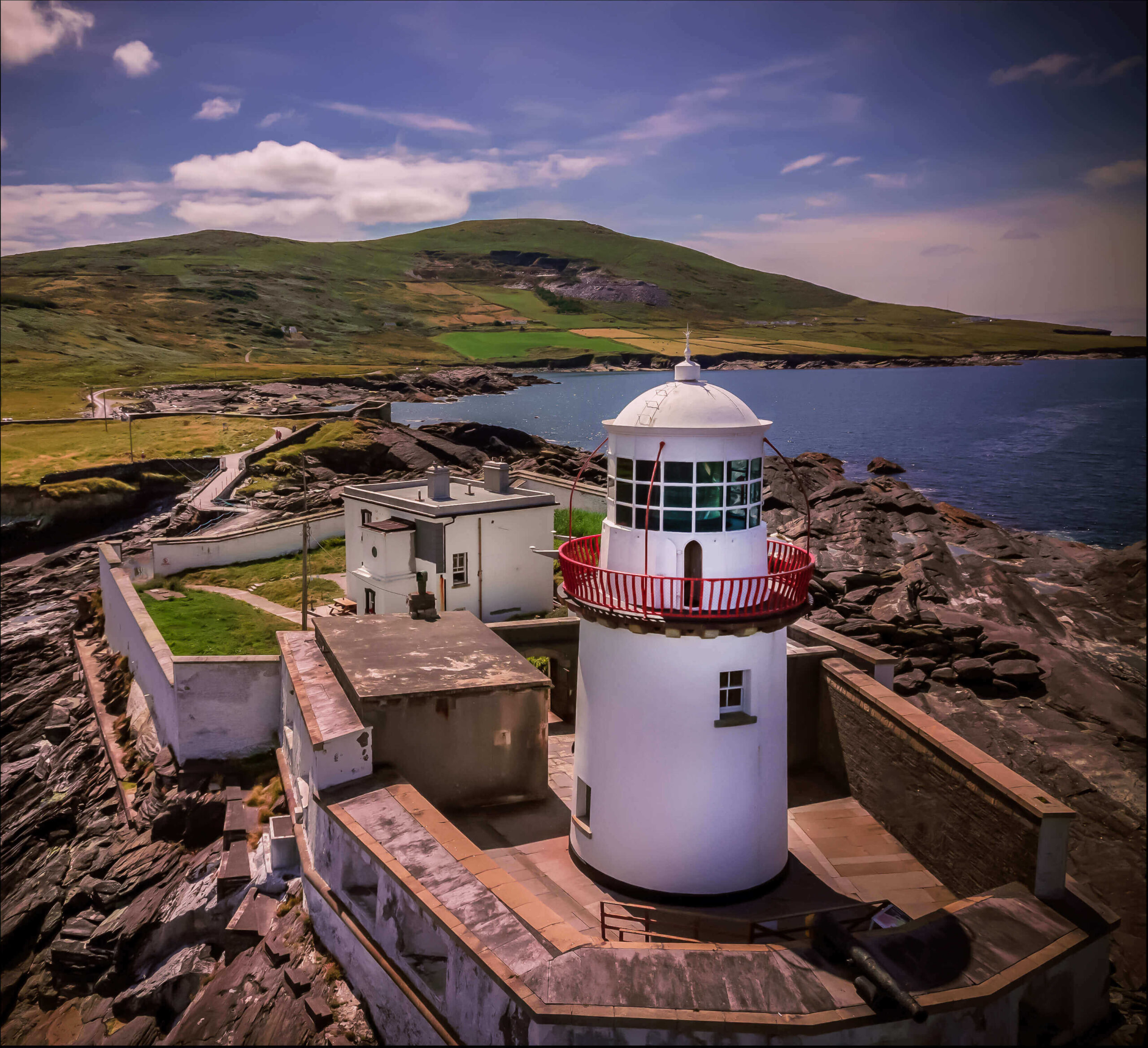 Valentia Island LighthouseMuseum · 1356 yd
 Cromwell PointHeadland · 1410 yd
 GeokaunMountain / peak · 1511 yd
 Fogher CliffCliff · 1.2 mi
Other information
Photo: Credit not shown in the picture search · Rights wording not checked; contact us if this picture should be removed