
More pictures of this place


Places near here
Photo credits
- Jonjobaker, Wikimedia Commons · CC BY-SA 4.0
- National Inventory of Architectural Heritage
- 瑞丽江的河水, Wikimedia Commons · CC BY-SA 4.0
- Mike Searle, Geograph · CC BY-SA 2.0
- Alvesgaspar, Wikimedia Commons · CC BY-SA 3.0
- Algirdas at Lithuanian Wikipedia, Wikimedia Commons · Public domain
 weir, sluice/sluice gate341 yd
Explorer Tom Cloondara weir is a stone wall that thinks it’s a history teacher, lecturing every fish on how to swim upstream. It was built by commissioners who liked their water management precise and their rocks heavy. Pop by and tell i
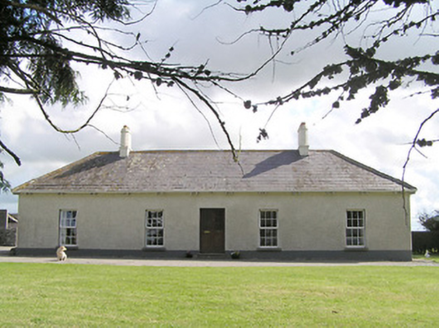 Agharevagh HouseHouse · 632 yd
Explorer Tom Agharevagh House thinks tourists from Dublin are noisy, messy, and don’t know how to use a fork properly. It’s hiding a long wing behind its plain front, like a secret pocket full of shame. Pretend you’re local to avoid the side-eye.
 Derreen HouseGates/railings/walls · 874 yd
Explorer Tom Derreen House gates are telling their younger selves to stop showing off with such fancy dressed limestone stiles. They’re basically the bouncer at a club who actually knows where the bathroom is. Find a local and ask for the secret entrance.
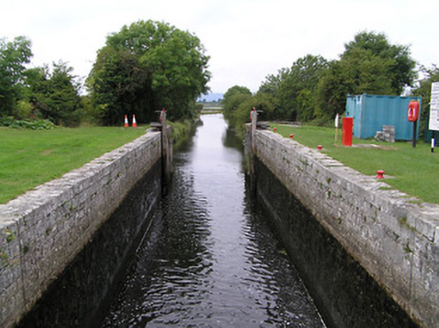 Cloondara LockLock · 1044 yd
Explorer Tom Cloondara Lock in Cloondara had an escape plan involving a very confused barge and a lot of limestone. The masonry is fancy because the canal company wanted to look like they knew what they were doing. If it's closed, admire
StructureStructure, peatland · 1.0 miExplorer Tom Structure in Cloondara is two birch twigs and one roundwood, apparently built with the enthusiasm of a tired hamster. I reckon it took three cups of tea to construct this masterpiece. Great spot to propose. Or at least to propose lunch.
St Barrys BoatRitual site, holy/saint's stone (present location) · 1.4 miExplorer Tom St Barrys Boat in Newtown is a limestone block where St Barry supposedly crossed the Shannon, which is a bit of a stretch given he likely used his legs. It’s secretly proud of the potato it grew next door, though I wouldn't put that on its CV if I were you. Pretend you're a lost aristocrat, nobody will check.
St. Barry's WellSpring · 2.4 miExplorer Tom St. Barry's Well in County Roscommon describes the 1800s to teenagers as 'a time when everyone walked everywhere and complained about their feet.' It’s very proud of its stone rim, which it claims is original and definitely not just a fancy rock. Stand where the owner stood and practise looking smug, like you own the place.
 First World War MemorialMemorial · 4.9 mi
Explorer Tom First World War Memorial in Longford refuses to fall down because it’s holding its breath, waiting for someone to notice how impressive it is. It’s stubborn like a mule that knows it’s right, even if you can’t see why. Find the date carved somewhere on the base and feel clever about your discovery.
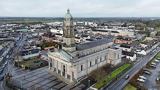 Saint Mel's CathedralCathedral · 5.0 mi
Explorer Tom Saint Mel's Cathedral in County Longford refuses to fall down because it’s too stubborn to admit it was built by anyone other than itself. It just keeps standing there, judging everyone’s posture and making sure nobody dares to lean against its ancient walls without paying a small fee in respect. Bring a coin for luck and keep it in your pocket.
 Rathcline CastleHouse, fortified house · 7.1 mi
Explorer Tom Rathcline Castle: The weather has had a long grudge against this place, probably since the Duttons moved in. It’s just one stubborn wall holding its tongue about what happened next. Stand where the owner stood and practise looking smug.
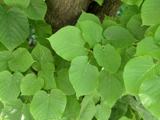 Common Lime7.8 mi
Explorer Tom Common Lime in County Roscommon is so pretty that Vikings probably wandered straight into its branches trying to find their way home. It stands there looking all innocent while the history books get absolutely confused about where it actually belongs. Stick around for the light changing, it's a show.
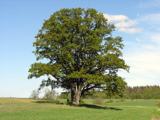 Pedunculate Oak7.9 mi
Explorer Tom Pedunculate Oak in County Roscommon is haunted by a ghost who is far too lazy to actually haunt it, so it just sits there looking vaguely disappointed while everyone else does the work. It’s like a supernatural slacker that has given up on the whole spooky business before it even started properly. Hum something sad nearby, it adds atmosphere.
More historic places in County Longford · All of County Longford

What do you know about this place?Tap to add a comment or ask a question