What is recorded here
Thirty-nine yew stakes still hold a small oval inside Ballykeane Bog, though peat milling cut off their tops. The dense circle leaves no entrance, and one stake carries tiny axe marks from a Middle Bronze Age tool. Yew was rare in the midlands even then, so the structure may have been a platform for ceremony, warning or memory rather than ordinary shelter.
Originally reported to the NMI by Mr. Tommy Kelly of Bord Na Móna, this site was investigated by Dr. Ellen O' Carroll (Licence ). This structure is located towards the south of Ballykeane Bog where 43 monuments including Road Classes 1, 2 and 3 toghers, post rows, peatland structures and a crannog (OF226-055---- were identified in a survey by the Irish Archaeological Wetland Unit (IAWU) in 2003 . The site consisted of a circle of stakes with a row running through the centre from E to W. There was no obvious entrance gap as the posts were densely set with no significant gap that would indicate an entrance. The overall dimensions of the enclosed area was 2.10m by 1.80m. There were 39 stakes in all, and the upper portions of all had been removed through milling. Three small stones were also revealed by trowelling. Where visible stakes ranged from .6m to .8m in length and from .05m to .10m in diameter and from morphological observations it appeared that most were made of yew. Stakes were sometimes grouped in threes and fours, some with bark surviving. Toolmarks were recorded on a single sampled example made of yew. The toolmark facets were all small and concave measuring .025m in width and .055m in length indicative that a small metal axe or palstave had been in use. The site was dated to the Middle Bronze Age (Sigma 2 cal BC1511-1393) and the environmental evidence suggests that it was constructed in a raised bog peat environment. The identification of yew wood in the construction of a peatland structure is very rare and indicates that the site was of some significance. Recent pollen work in the midlands has shown that yew was present but rare in both areas until the 9th century AD after which it may have come close to extinction. The function of this peatland structure remains unknown but it may represent the basal portion of a platform.
The monument record does not grant public access. Check the route and ask the landowner before entering private land.
- What survives
- Recorded monument
Places near here
 RoadRoad, class 2 togher · 543 yd
 Cashlan BrockCastle, tower house · 765 yd
 The Lord's WellSpring · 1194 yd
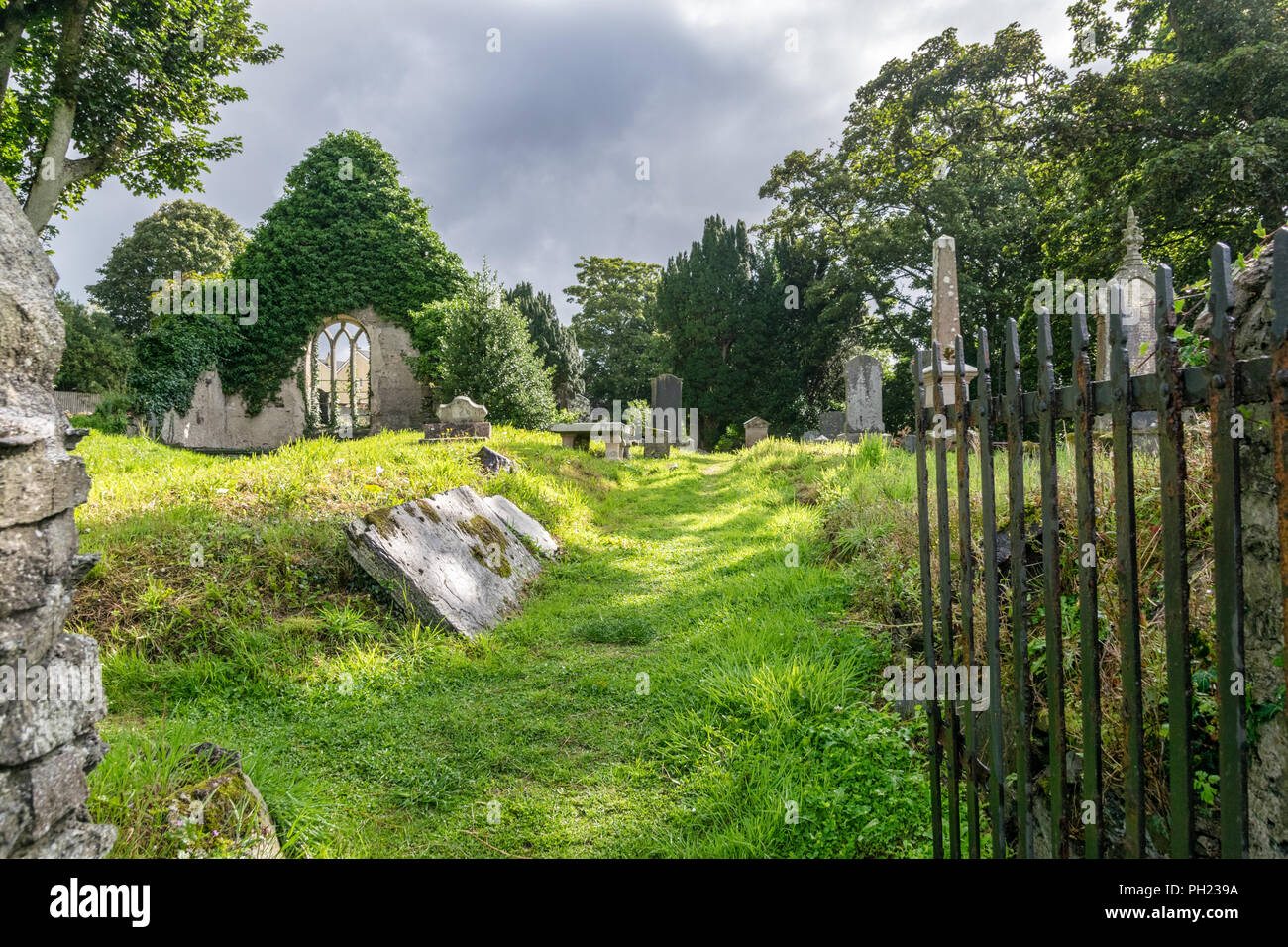 Relic Grave Yard (Disused)Fairy fort / earthen ringfort · 1338 yd
 StructureStructure, peatland · 1489 yd
 Bawn in BallykeanBawn · 1545 yd
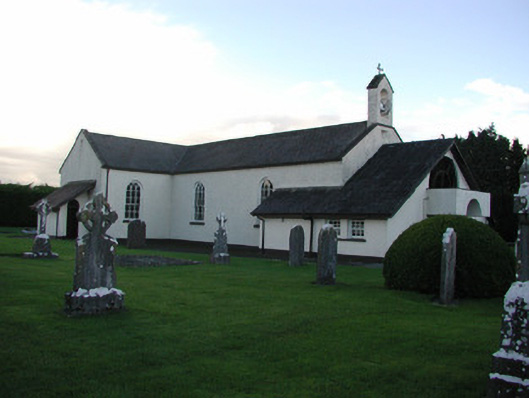 Catholic Church of the Immaculate Conceptionchurch/chapel · 1736 yd
 Ghaugher HillMountain / peak · 2.7 mi
 Father BurbageMemorial · 3.3 mi
 Geashill Glebe WalkVisitor information · 3.4 mi
 Derryounce Lakes & TrailsNature reserve · 3.5 mi
 Allen family memorial headstoneMemorial · 3.5 mi