What is recorded here
Grave and Standing Stone emerge together beneath a low earthen ridge in County Kildare, where a roofless cist held the ashes of a woman and a man. Its cobbled floor, flint blade, bone bead and coarse pottery suggest a deliberate burial rather than a forgotten pile of stones. The grave still belongs to the land, not to display, and it asks only that people remember the difference between knowing a place and owning one.
Immediately NW of a fine standing stone (KD019-022002-) at the centre of an earthen enclosure (KD019-022001-). Excavation in 1912 revealed a large, roofless, rectangular cist (est. dims L c. 2.45m NE-SW; Wth c. 0.75-1.2m; D 0.95m) with a cobbled floor, containing the cremations of an adult female and an adult male. Finds included three sherds of a coarse ware pottery, a 'wrist bracer', a flint blade and a bone bead (Macalister/Praeger/Armstrong 1912-14, 288-295). (Herity 2002, 23 (66); De Burg 1896, 315, 317, 324; Mayo, Earl of, 1899-1902, 57, 59; Synnott 1899-1902, 454, 466-8; Macalister/Praeger/Armstrong 1912-14, 288-295; Killanin and Duignan 1967, 384; Waddell 1970, 119; Weir 1980, 167)
Compiled by: Gearóid Conroy
Date of upload: 10 June 2011
This monument is subject to a preservation order made under the National Monuments Acts 1930 to 2014 (PO no. 95/1940).
A Neolithic standing stone and cist grave, dating to approximately 2500–2000 BCE. The site is significant as part of a broader ritual landscape associated with early farming communities in the region.
The monument record does not grant public access. Check the route and ask the landowner before entering private land.
- What survives
- Recorded monument
Places near here
 Longstone RathEnclosure · 1 yd
 Enclosure in Forenaghts GreatEnclosure · 600 yd
 Church (in Ruins)Church · 627 yd
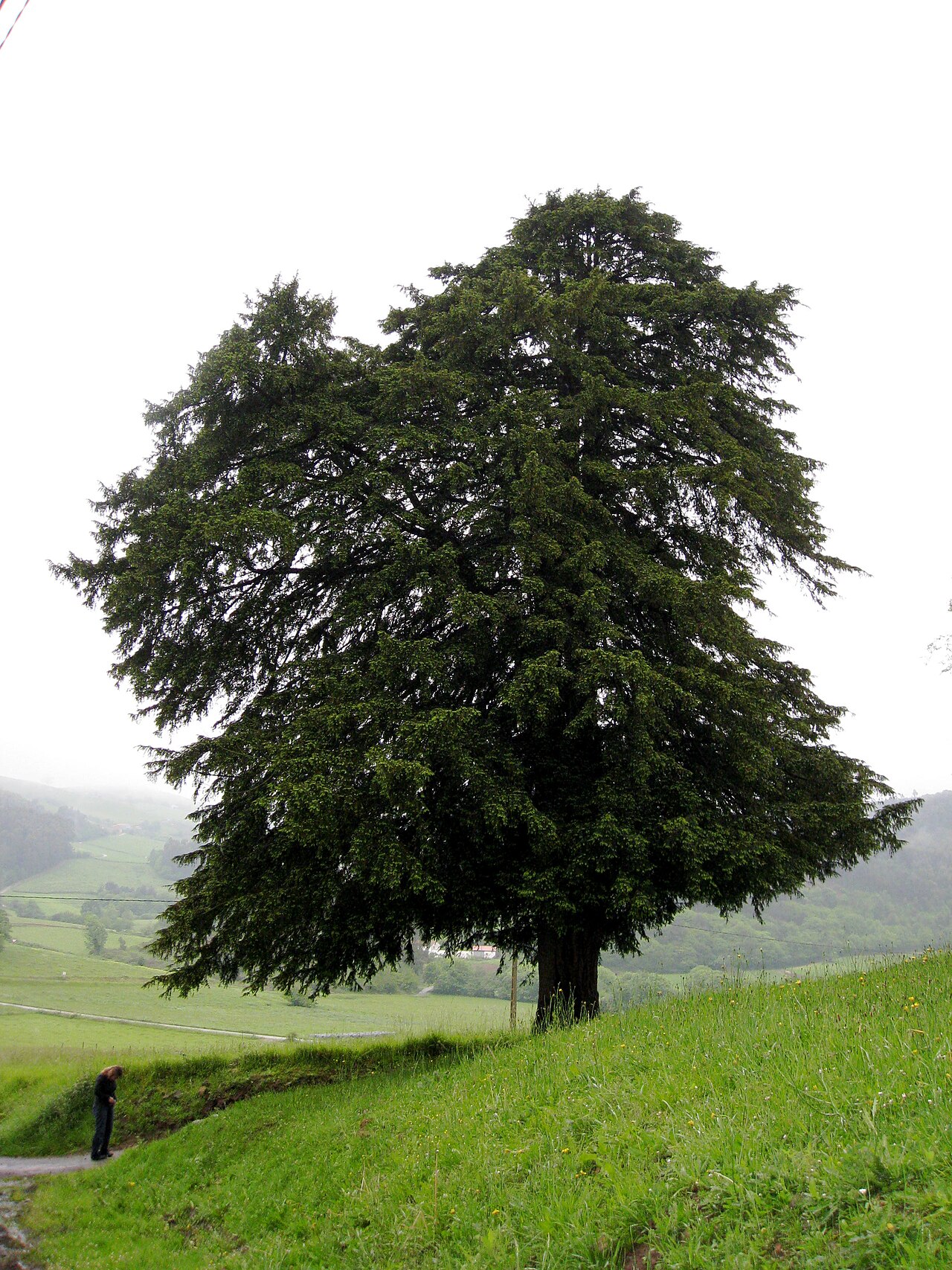 European YewEuropean Yew · 631 yd
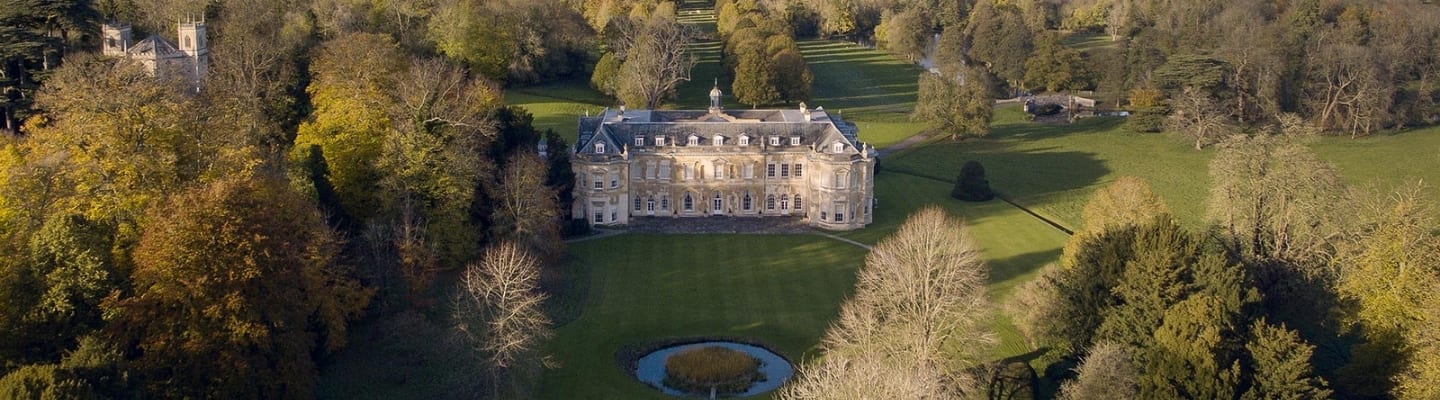 Hartwell CastleCastle, unclassified · 1123 yd
 Ch. (in Ruins)Church · 1214 yd
 Kill MoatCastle, motte and bailey · 1.4 mi
 Monread District Park WoodsWood · 2.4 mi
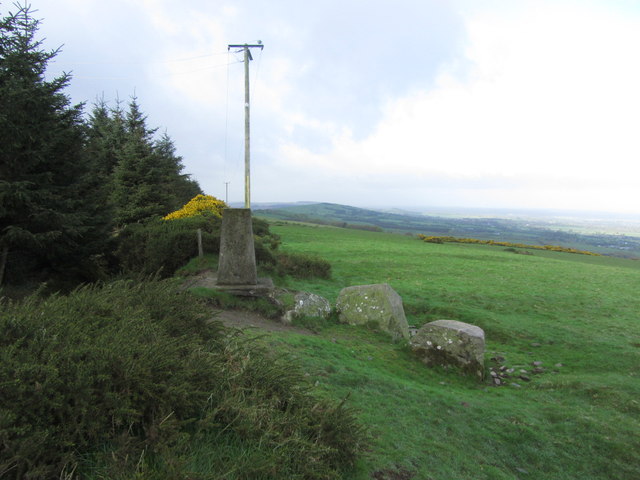 Cupidstown HillMountain / peak · 4.2 mi
 The Square RenewalMemorial · 4.7 mi
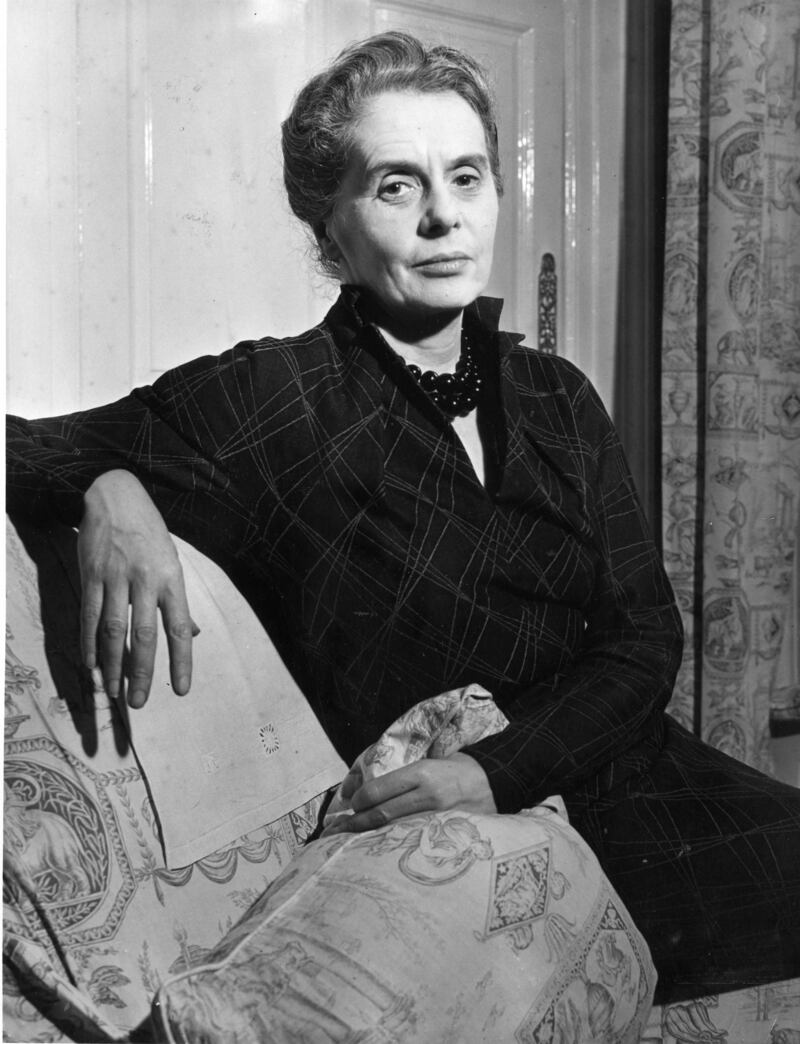 Dame Ninette de ValoisMemorial · 4.8 mi
 Saggart HillMountain / peak · 5.1 mi