What is recorded here
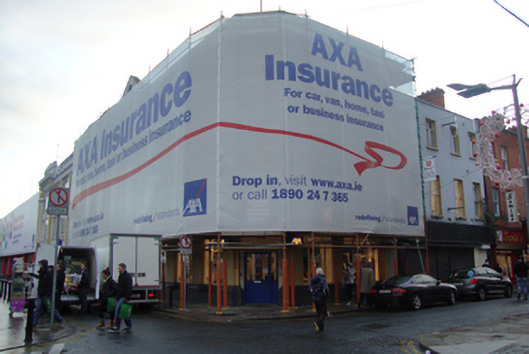
Corner-sited terraced three-storey warehouse, built 1863, having seven bays to Wolfe Tone Street and two bays to Mary Street with chamfered entrance bay to corner. Cinema incorporated 1912 and reconstructed 1931. Building now used as offices. Pitched roof, hipped to east end, hidden behind plain rendered parapet over deep cornice having decorative brackets. Rendered walls, having decorative guilloche-like frieze below cornice. Each bay has round-headed frame to upper floors, sides of frames essentially giant order pilasters lacking capitals. Ground floor separated from first floor by moulded cornice, with bays framed by squat pilasters having decorative capitals and high bases, latter forming part of continuous plinth. Lunettes to top floor, each having moulded archivolt, hood-moulding, guilloche frieze atop moulded cornice to sill, and having decorative roundels to spandrels. Round-headed window openings to first floor, each with moulded archivolt atop pilasters having capitals and bases, with stucco cartouche to tympani. Round-headed window to westernmost ground floor bay of Mary Street elevation, having moulded archivolt with cartouche to centre flanked by swags of drapery. Square-headed windows elsewhere to ground floor. Single pane of glass to all upper floor windows except first floor of Mary Street elevation, latter comprising one-over-one pane timber sliding sash window and replacement timber window. Ground floor windows have replacement timber framing. Square-headed doorways to corner bay and to southernmost bay of main elevation, having replacement double-leaf timber doors, glazed and with overlight to corner entrance.
A commercial warehouse built for Patrick Beakey on the corner of Wolfe Tone Street (Stafford Street) and Mary Street to designs by William G. Murray replacing earlier premises destroyed by fire. Its highly decorated stuccoed façade is in stark contrast to the largely eighteenth-and nineteenth-century red brick streetscape. The commercial warehouse originally had two tiers of galleries around a central top-lit court. The commercial warehouse was repurposed as the Mary Street Picture House in 1912 and was reordered by Robinson and Keefe in 1931 when it was renamed Mary Street Cinema ("The Maro"): an old photograph shows that the pilastered doorcase in Mary Street, now stripped of much of its decorative detail, originally carried a panel inscribed: "CINEMATOGRAPH THEATRE". The cinema closed on the 11th January 1959. Mary Street was laid out by Humphrey Jervis, Lord Mayor of Dublin in 1681-3, in the area around Saint Mary's Abbey, after buying much of the estate in 1674. Occupying an important corner site, this presents a fine decorative stuccoed elevation, greatly contrasting with the largely eighteenth and nineteenth-century streetscape.
This does not grant access. Most recorded buildings are privately owned; view them only from public ground unless the owner allows entry.
Places near here
 Wolfe Tone Houseoffice · 38 yd
 Saint Mary's Churchchurch/chapel · 40 yd
 Sir John T GilbertMemorial · 90 yd
 National Leprechaun MuseumHeritage attraction · 181 yd
 Burial in Unknown TownlandBurial · 331 yd
 Rory Gallagher CornerMemorial · 421 yd
 Holy well in Unknown TownlandHoly well · 445 yd
 The Irish Rock 'n' Roll Museum ExperienceMuseum · 481 yd
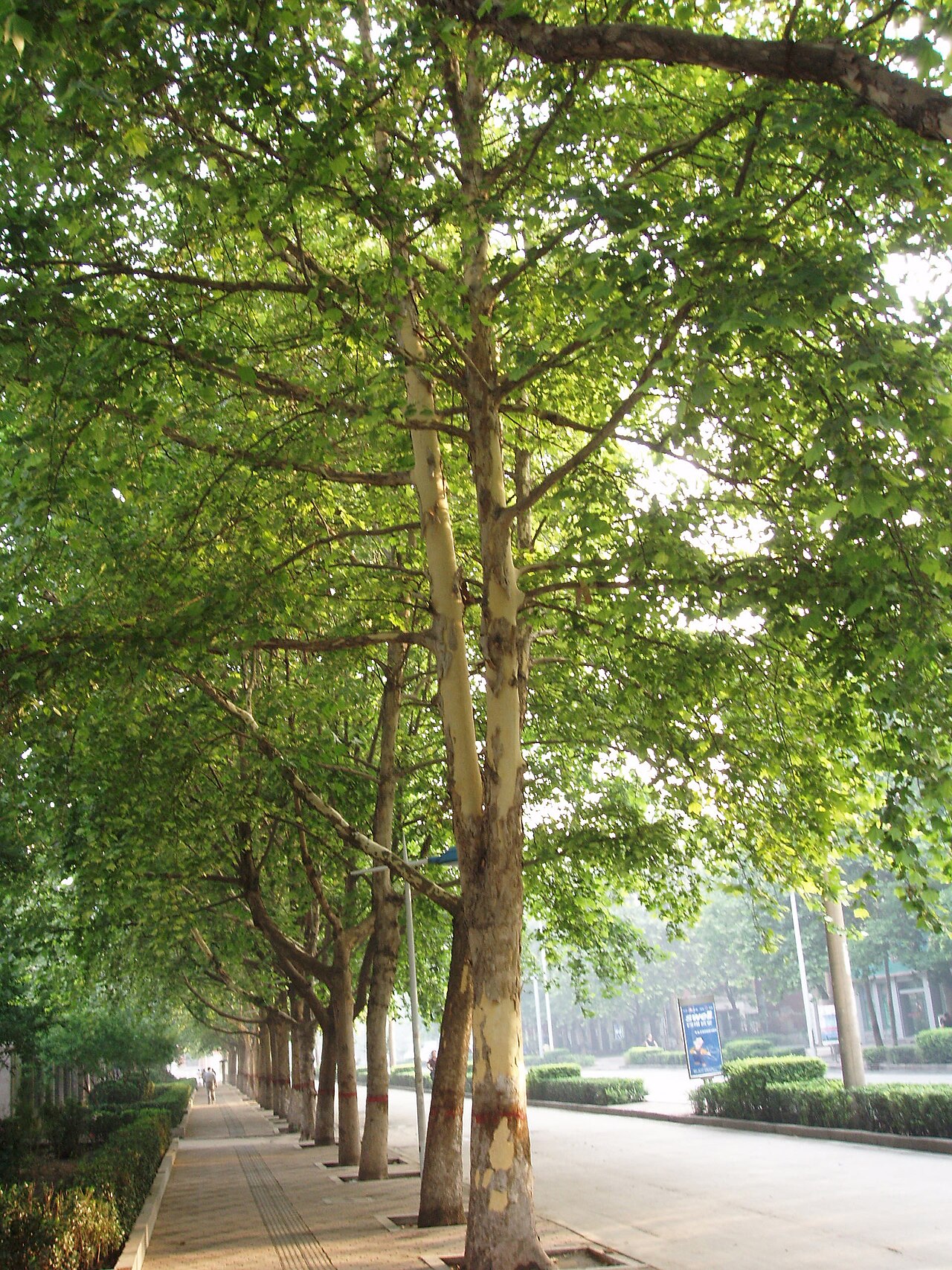 London PlaneLondon Plane · 591 yd
 Burial ground in Unknown TownlandBurial ground · 872 yd
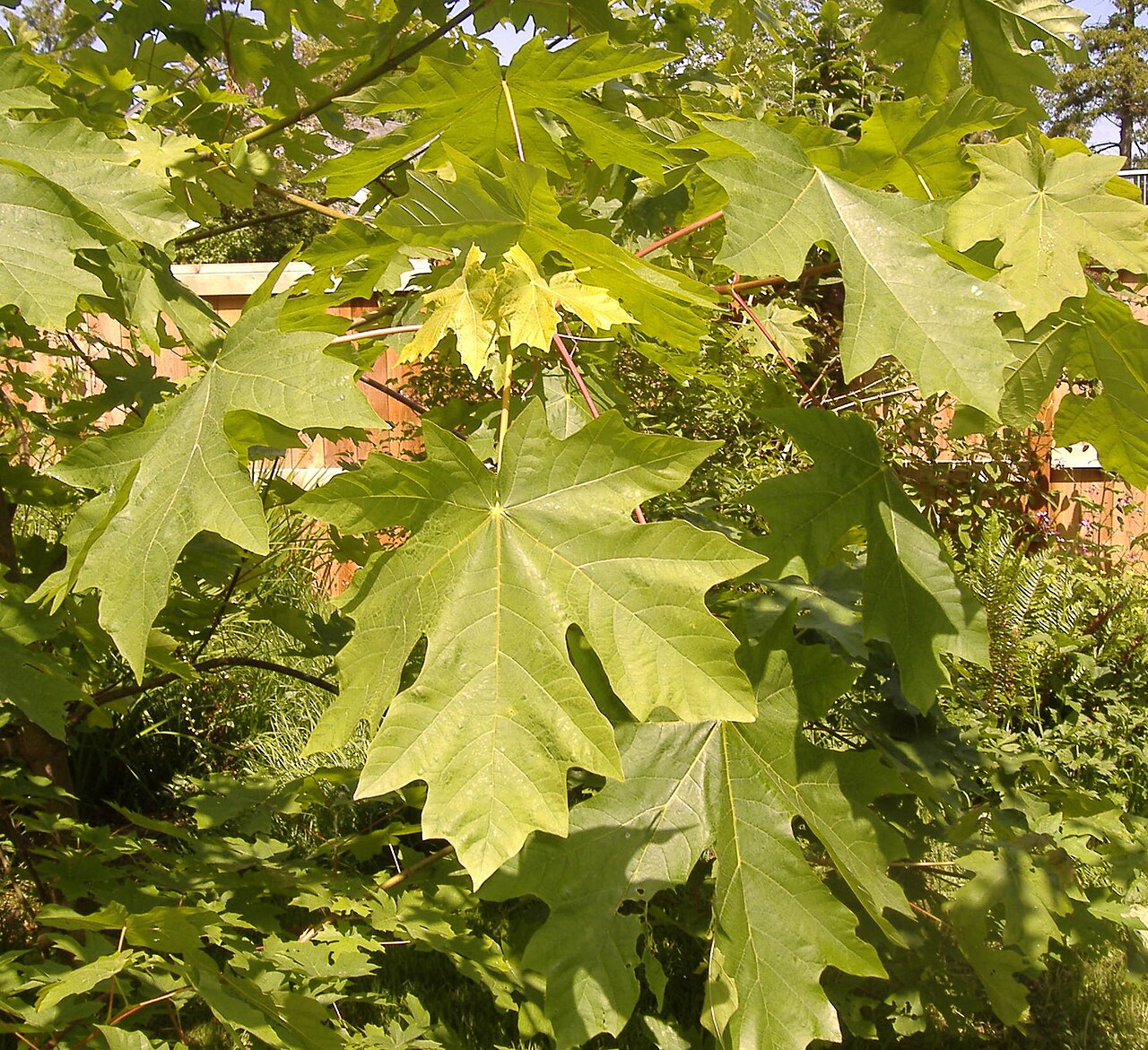 Bigleaf MapleBigleaf Maple · 944 yd
 Apple OrchardVisitor information · 991 yd
Other information
Photo: National Inventory of Architectural Heritage · Website use allowed for educational or private purposes with source credit