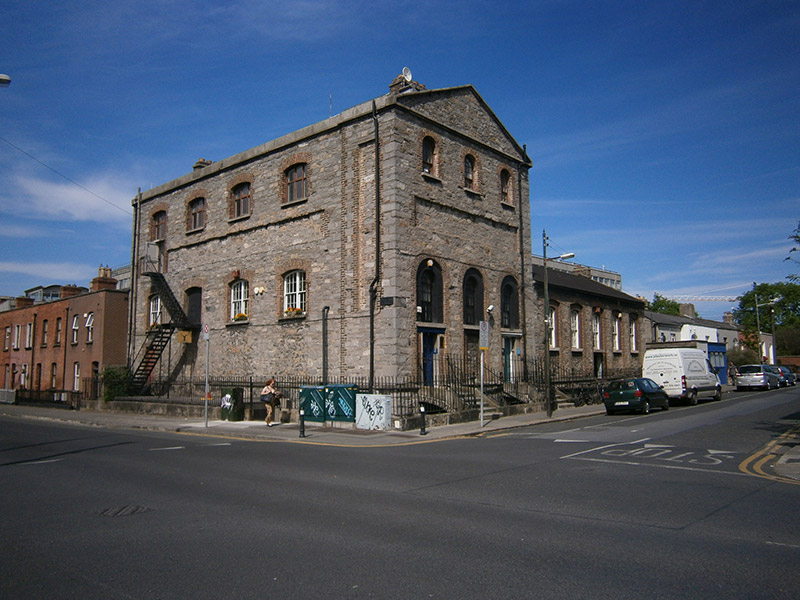
Places near here
Photo credits
- Hohenloh at English Wikipedia, Wikimedia Commons · Public domain
- National Inventory of Architectural Heritage
- N Chadwick, Geograph · CC BY-SA 2.0
- Sitomon, Wikimedia Commons · CC BY-SA 2.0
- Leslie Noelle Sullivan, Wikimedia Commons · CC BY-SA 4.0
- Kinsie84, Wikimedia Commons · CC BY-SA 3.0
- Bärwinkel,Klaus, Wikimedia Commons · CC BY-SA 4.0
- Spleodrach, Wikimedia Commons · CC BY-SA 4.0
- RustyTheDog, Wikimedia Commons · CC BY-SA 3.0
- National Library of Ireland on The Commons, Wikimedia Commons · Public domain
- The White House, Wikimedia Commons · Public domain
- Angilbas at English Wikipedia, Wikimedia Commons · Public domain
 St. Kevins ChurchChurch · 129 yd
Explorer Tom St. Kevins Church in County Dublin sits in St Kevin's Park on Camden Row. It dates back to at least 1226 and was re-roofed in 1582 before falling into ruin by 1630. The current building is from around 1780, so it’s had a long, eventful life in the park.
 St. Kevin's ChurchChurch/chapel · 130 yd
Explorer Tom St. Kevin's Church in Dublin would win any county fair by simply showing up in its ruined glory. It’s got a belfry that looks like it’s trying to reach for the clouds while the walls crumble politely below. Just tip your hat from Camden Row, and let it keep its medieval dignity intact.
 Kevin Street LibraryLibrary/archive · 164 yd
Explorer Tom Kevin Street Library in County Dublin was designed by C.J. McCarthy in 1903 and looks like a proper public institution. It’s got pilasters and a cupola. Tell me if the city coat of arms is still on display!
 Marsh's LibraryHeritage attraction · 371 yd
Explorer Tom Marsh's Library had books for the public in 1707, and then discovered the public might walk off with a few. I would not dream of it; my bag is already full of sandwiches. Archbishop Narcissus Marsh filled the place with his collection, including more than ten thousand books once owned by Bishop Stillingfleet. Its first keeper, Elias Bouhereau, was a Huguenot refugee from France who brought books of his own. When theft became troublesome, three wire reading cages appeared in the 1770s. You could sit with a book while the library made quite sure it remained a library book. The old galleries beside Saint Patrick's Cathedral are still used for their original purpose, which is rarer than any tale I might invent about them. Visitors can enter under the library's current arrangements; researchers reserve a place. Look at the cages, then be grateful nobody puts me behind one to keep my stories from escaping.
 Library in Unknown TownlandLibrary · 372 yd
Explorer Tom Library in Dublin was started back in 1702, which means it has been judging your book choices for over three hundred years without even getting a break. If it had a tombstone, it would just say 'Finally, some quiet' and list every single person who ever coughed inside. Take a breath of that air, it's older than your car.
 International Tailors, Pressers and Machinists UnionMemorial · 408 yd
Explorer Tom International Tailors union HQ has an imaginary twin across the sea that’s probably just a pile of old fabric and regret. Jewish workers started it all here, and I bet they were stitching up more than just coats back then, mate. Take a breath of that air, it's older than your car.
 Cathedral, St. PatricksCathedral · 428 yd
Explorer Tom Cathedral, St. Patricks. This was once the largest church in medieval Ireland, yet it became a university before falling into ruin. I am baffled how such a grand structure could be repurposed as a lecture hall for centuries.
 John FieldMemorial · 514 yd
Explorer Tom A second John Field Memorial in County Dublin is just another nod to the same pianist. It’s like finding a duplicate key; it works, but it’s confusing. He was a precursor to Chopin, so he did the heavy lifting early on. Stand back, squint, and it looks like a castle.
 Irish Jewish MuseumMuseum · 681 yd
Explorer Tom The Irish Jewish Museum fits a great deal of family and community history into two old Dublin houses. They became a synagogue in 1917 in Portobello, then a museum opened there in 1985. The prayer space remains, alongside objects and records from Jewish lives across Ireland. Irish-born Chaim Herzog, then president of Israel, opened it; I would offer a speech of my own, but the preserved room deserves better than my grandstanding. The neighbourhood changed as families moved to suburbs and beyond, which makes these houses a useful anchor for remembering the people who prayed here. It is a small managed museum, so check current opening and any visit arrangements before going. Treat the synagogue space with respect. The size of the building is no measure of the lives it holds.
 Battle of DublinMajor battlefield · 807 yd
Explorer Tom Battle of Dublin in County Dublin was a week of street fighting that blew up the Public Records Office. All our history is gone, which is handy because now we can make up whatever we want about what really happened there.
 CastleCastle, Anglo-Norman masonry castle · 832 yd
Explorer Tom Castle in County Dublin has been hosting imaginary fiddlers for centuries who just never seem to get tired of playing the same tune all night. It’s the kind of place that makes a dull Tuesday interesting, mostly because it looks like it’s about to collapse into the river Poddle. It's the kind of place that makes a dull Tuesday interesting.
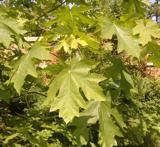 Bigleaf Maple1292 yd
Explorer Tom Bigleaf Maple: Locals swear this maple is older than the village, which is either impressive or just plain nonsense. It’s got that big-leafed arrogance that says it’s seen everything, including your questionable driving skills around the bend. Find a local and ask them the real story, then come back and tell me.
More historic places in County Dublin · All of County Dublin

What do you know about this place?Tap to add a comment or ask a question