Places near here
Photo credits
- Glyn Drury, Wikimedia Commons · CC BY-SA 2.0
- bernard bradley, Wikimedia Commons · CC BY-SA 2.0
- Martin Dawes, Wikimedia Commons · CC BY-SA 2.0
- Ian S, Wikimedia Commons · CC BY-SA 2.0
- Roger Gilbertson, Wikimedia Commons · CC BY-SA 2.0
- Dupont Circle, Wikimedia Commons · CC BY-SA 3.0
- Philip Pankhurst, Wikimedia Commons · CC BY-SA 2.0
- Maximilian Dörrbecker ( Chumwa ), Wikimedia Commons · CC BY-SA 3.0
- Graham Hogg, Wikimedia Commons · CC BY-SA 2.0
- Trevor Littlewood, Wikimedia Commons · CC BY-SA 2.0
 Brindleys PlantationWood · 1628 yd
 The RushWood · 1.2 mi
 North Howden StationListed building · 1.7 mi
 Victorian Post boxOld post box · 1.7 mi
 Wressle CastleScheduled monument · 2.7 mi
 Wressle Castle South RangeRuins · 2.7 mi
 Moated site at Manor Farm, PortingtonScheduled monument · 2.8 mi
 Bishop's Manor HouseScheduled monument · 3.1 mi
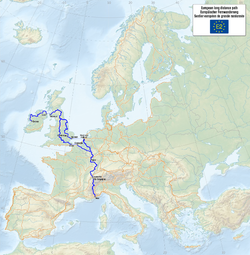 European long distance path E2 eastWalking route · 3.5 miEuropean long distance path E2 east - part United KingdomWalking route · 3.5 mi
 Hook Road CemeteryCemetery · 5.5 mi
 West ParkVisitor information · 5.5 mi
More historic places in East Riding of Yorkshire · All of East Riding of Yorkshire

What do you know about this place?Tap to add a comment or ask a question