What is recorded here
Two overlapping underground chambers sit beneath a broad low hill in Spiddal, County Meath. The later passage cut through the earlier one and may have claimed its western chamber as a side room before being filled with stony clay, perhaps in the eighteenth century. Ogham marks still appear on some roofstones, hinting that the dark space remained familiar long after its shape changed.
Located on top of a broad low hill in an undulating landscape. A beehive chamber of a complex Man-made underground passage (No. 2) was accidently discovered in December 1987, and the area was excavated (E000460) the following summer when a second Man-made underground passage (ME005-104001-) came to light which proved to be earlier. No structures were associated with the Man-made underground passages and evidence of an enclosing bank or ditch was not encountered. The absence of an enclosure was confirmed by a resisitivity survey, and the Man-made underground passages were conserved by the landowner, presumably by closing. (Eogan 1990)
The S-N main passage (L 11.9m; Wth c. 1m; max. H 1.3m) of the later Man-made underground passage 2 was entered at its S end, but its E side had been damaged by a pit (diam. 2.5m; D 0.75m) close to the entry. The passage, most of whose roofstones had been removed, extended N as the floor descended. It cut the passage of the earlier Man-made underground passage 1 (ME005-104001-) and could have incorporated its beehive chamber as a spur to the W. The passage was back-filled with stony clays and the few artefacts recovered suggest that this occurred in the eighteenth century. At its N end the passage dropped into a lower S-N passage (L 2.6m) which connected with an E-W transverse passage (L 7.3m; Wth c. 1m; H c. 1.4m) at its centre. At the W end of the transverse passage is a beehive chamber (diam. 3m; H 2.6m) and at the E end is a similar beehive chamber (diam. 3m; H 2.3m).
A fragment of a millstone rough-out was built into the wall of the entrance passage and fragments of two quernstones were in the passages. The excavation on the surface was limited to the area around the Man-made underground passage entrances, the only features being a few pits, but amongst the few finds was a bronze stud. A roofstone in the entrance passage was a re-used ogham stone (ME005-104002-), and two roofstones (ME005-104003-; ME005-104004-) from the transverse passage also had ogham inscriptions.
Compiled by: Michael Moore
Date of upload: 5 September 2018
The monument record does not grant public access. Check the route and ask the landowner before entering private land.
- What survives
- Recorded monument
Places near here
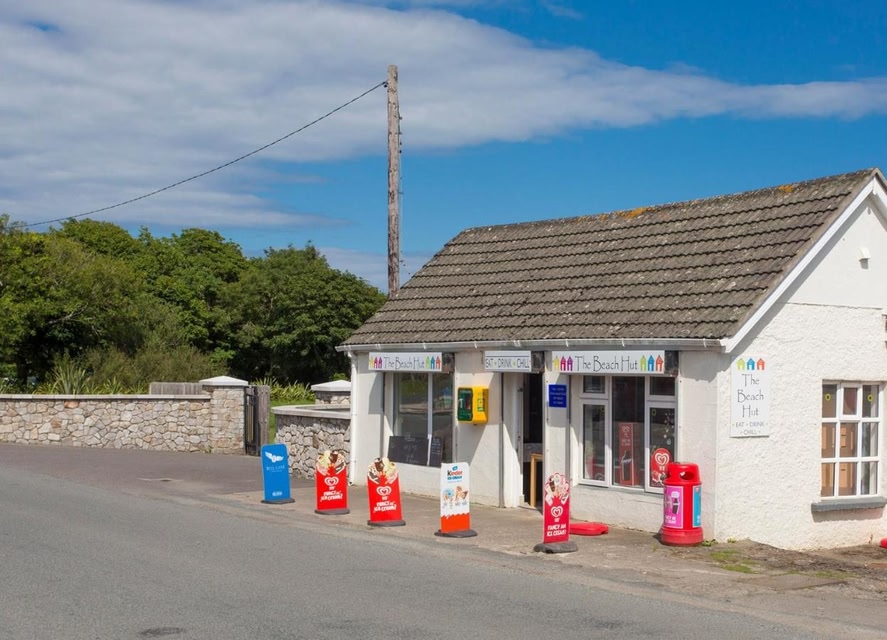 LIssanardFairy fort / earthen ringfort · 1692 yd
 HeadstownMountain / peak · 1692 yd
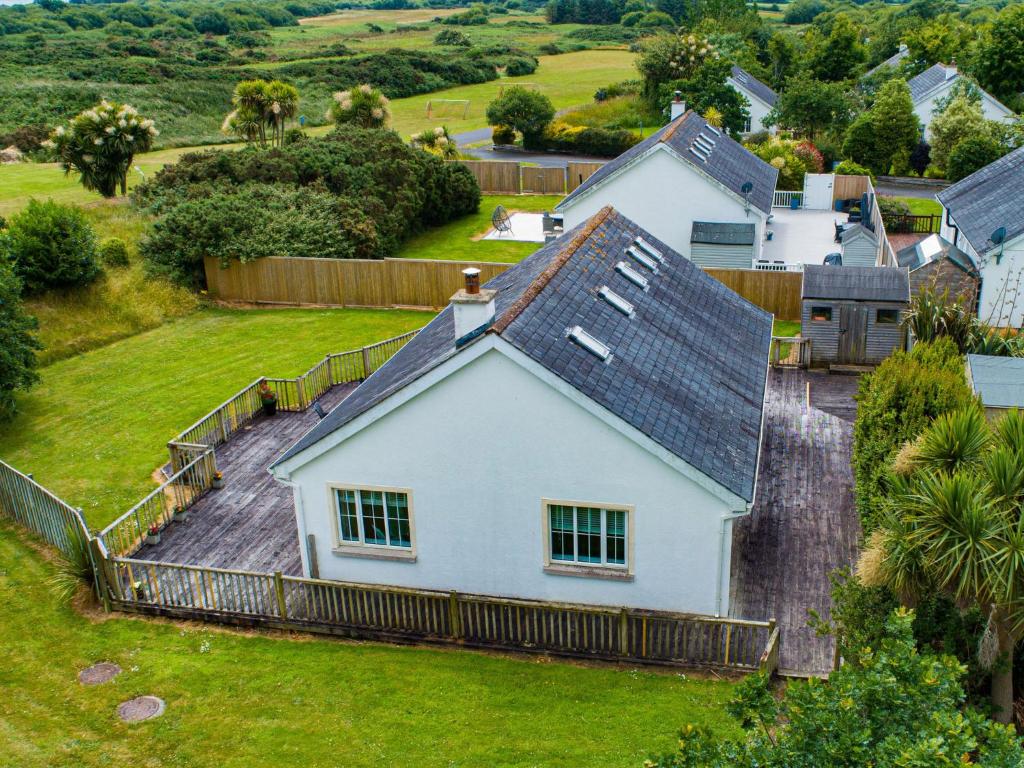 IndicatedFairy fort / earthen ringfort · 1745 yd
 Headstown ForestForest · 1.0 mi
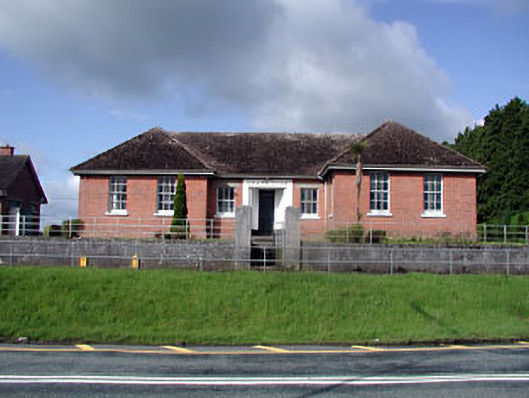 Nobber Technical Schoolschool · 1.0 mi
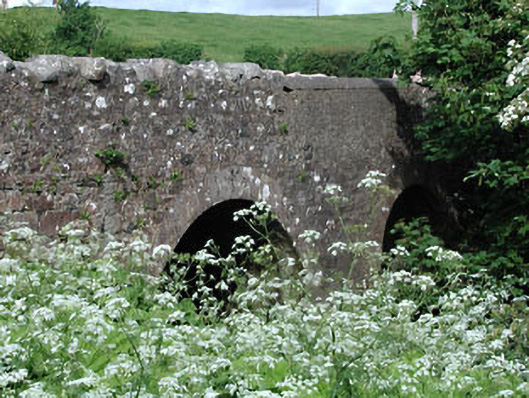 Lady Bridgebridge · 1.0 mi
 Nobber GreenwayMemorial · 1.1 mi
 Common LimeCommon Lime · 1.1 mi
 MoatCastle, motte and bailey · 1.3 mi
 Ugly HillMountain / peak · 1.4 mi
 Castletown FortCastle, motte and bailey · 1.8 mi
 Owenroe and Moynalty DrainageMemorial · 2.8 mi