
More pictures of this place


What is recorded here
Look past the walls and into what happened here. The present appearance of the castle is the culmination of work carried out on the castle by James Wyatt (1785-6) and later by Francis Johnston (1795) for Lord Conyngham in the late eighteenth century.
Detached seven-bay three-storey over basement Gothic Revival castle started c.1785. Built on the site and probably incorporating the fabric of an earlier house/castle. Constructed of roughly coursed limestone with finely dressed quoins. Built largely on a symmetrical rectangular plan with full-height square towers to corners and battlemented parapet. Front (north) elevation has two additional square turrets flanking a projecting single-storey entrance porch with battlements. Machicolation to centre of front elevation. The rear (south) elevation is marked by a prominent three-bay bow, which is raised above the rest of the building to form a battlemented round tower. Square-headed window openings with hoodmouldings, tooled stone sills and timber sash windows. Two castellated gateways with lodges, a Gothick style stable block and a number of outbuildings to site.
The present appearance of the castle is the culmination of work carried out on the castle by James Wyatt (1785-6) and later by Francis Johnston (1795) for Lord Conyngham in the late eighteenth century.
Slane Castle is an important early Gothic Revival castle. Although quite plain in exterior appearance, the architectural quality, design and symmetry of the castle are immediately apparent. The present appearance of the castle is the culmination of work carried out on the castle by James Wyatt (1785-6) and later by Francis Johnston (1795) for Lord Conyngham in the late eighteenth century. Built on an elevated site above the River Boyne and set among mature woodland, this castle has a striking appearance in the landscape. The stable block, outbuildings, gates and former gate lodges form an interesting group of demesne structures with the main house.
The story behind this place
The present appearance of the castle is the culmination of work carried out on the castle by James Wyatt (1785-6) and later by Francis Johnston (1795) for Lord Conyngham in the late eighteenth century.
This does not grant access. Most recorded buildings are privately owned; view them only from public ground unless the owner allows entry.
Places near here
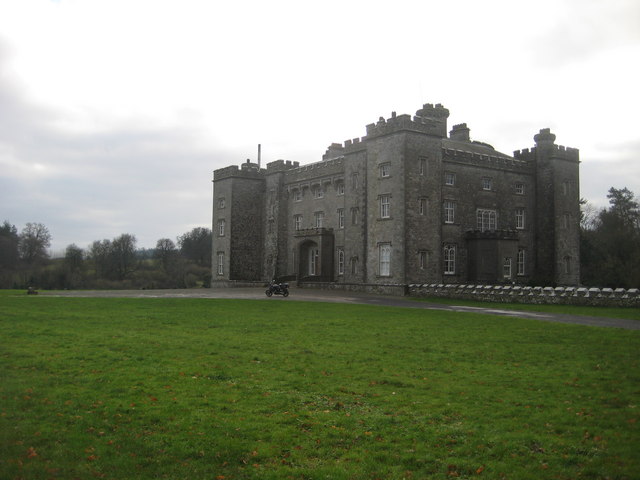 Slane CastleCastle, unclassified · 1 yd
 Little Glen WoodWood · 195 yd
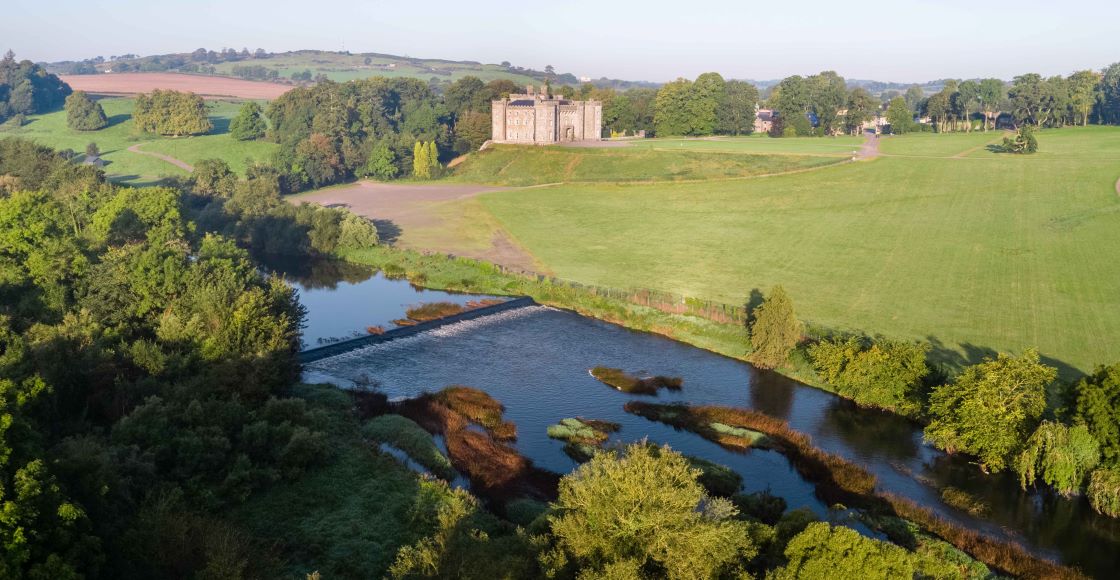 Lady WellHoly well · 487 yd
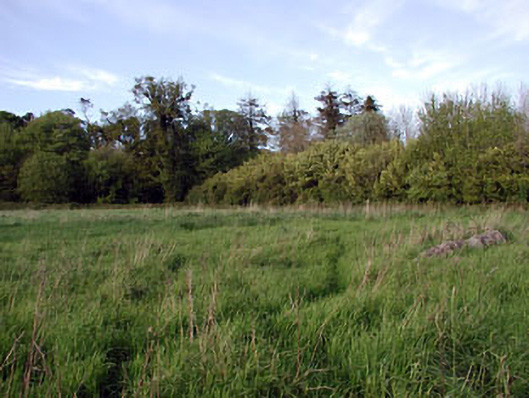 walled gardenwalled garden · 684 yd
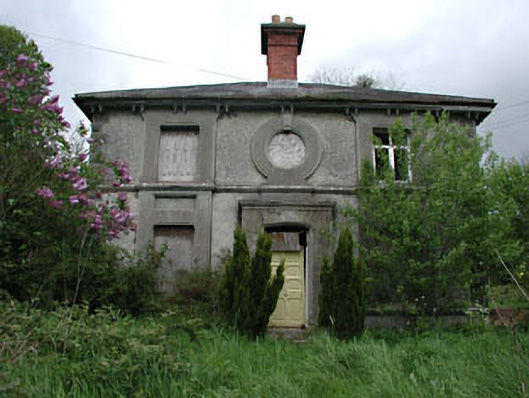 worker's houseworker's house · 774 yd
 Crosspark ClumpWood · 805 yd
 Cross (present location) in SlaneCross (present location) · 963 yd
 Pat's Art StudioGallery · 1370 yd
 MoatCastle, motte · 1431 yd
 RiverviewMemorial · 1521 yd
 KnowthArchaeological place · 2.9 mi
 Mullagha HillMountain / peak · 4.0 mi
Other information
Photo: Sitomon · CC BY-SA 2.0