What is recorded here
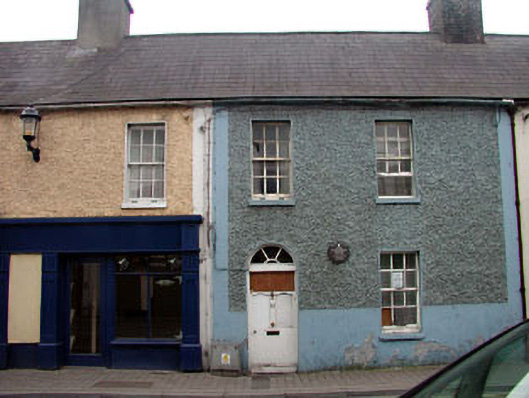
Terraced two-bay two-storey house, c.1790, possibly originally part of larger composition with building to left (north-east) retaining early fenestration with round-headed door opening to left ground floor. Now disused. Gable-ended roof with slate. Clay ridge tiles. Red brick chimney stack. Cast-iron rainwater goods on eaves course. Roughcast walls. Painted. Rendered strips to ends. Square-headed window openings. Stone sills. Early 6/6 timber sash windows. Round-headed door opening. Timber panelled door (probably originally glazed). Spoked fanlight. Road fronted. Concrete brick cobbled footpath to front.
This house, possibly originally built as a symmetrically-planned block centred about the round-headed door opening with an additional bay to left (north-east) now annexed to the house to left (north-east; 11804016/KD-11-04-16)), is of considerable social and historical significance, representing the continued development of Leixlip in the late eighteenth century. The house is also of interest for its associations as the birth place of Major William Francis Roantree, a local political figure. Although now disused and in the early stages of dereliction, the house is structurally sound and retains many important early or original features and materials, including multi-pane timber sash fenestration, a timber panelled door, and a slate roof having cast-iron rainwater goods. The house is an attractive and integral component of the streetscape of Main Street, continuing the established streetline of the street while contributing to the regular roofline of the terrace.
This does not grant access. Most recorded buildings are privately owned; view them only from public ground unless the owner allows entry.
Places near here
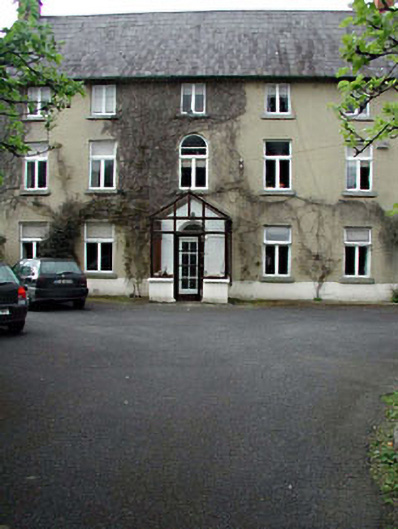 Castle View Househouse · 85 yd
 Guinness' BreweryMemorial · 94 yd
 Leixlip MonumentMemorial · 116 yd
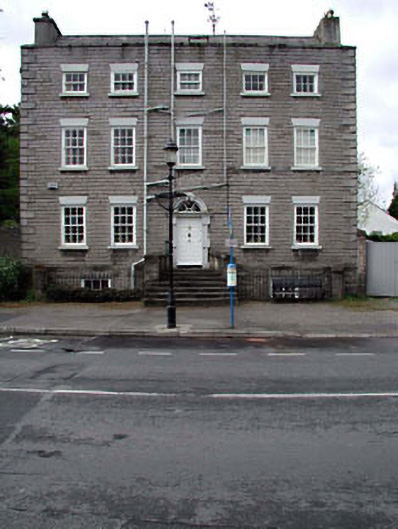 Shingle Househouse · 132 yd
 Font in LeixlipFont · 193 yd
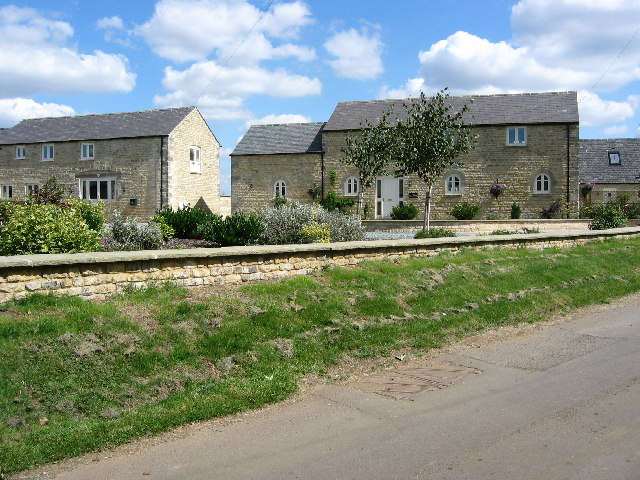 BarrowBarrow, ring-barrow · 493 yd
 Squirrel WoodWood · 785 yd
 Sli Na Sláinte Leixlip SliWalking route · 1004 yd
 Sli Na Sláinte Leixlip Lucan DesmenseWalking route · 1412 yd
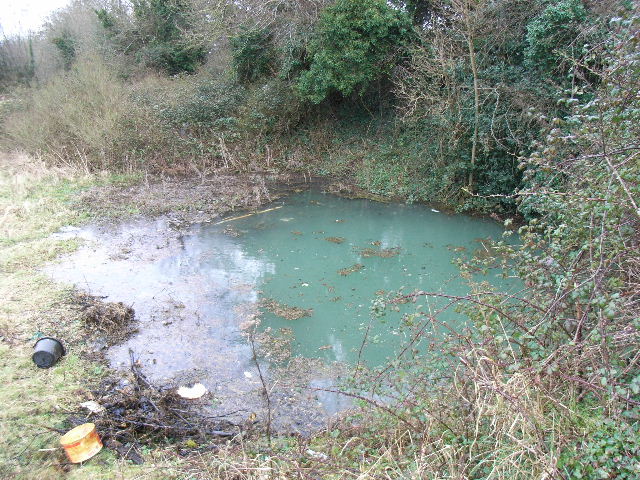 Leixlip Spa - SpringSpring · 1533 yd
 Lucan DemenseHeritage attraction · 1535 yd
 The Wonderful BarnHeritage attraction · 1644 yd
Other information
Photo: National Inventory of Architectural Heritage · Website use allowed for educational or private purposes with source credit