What is recorded here
Isold's Fount marked the western edge of Dublin in 1603, forcing horse riders to circle a great Hawthorne tree before crossing the Anna Liffey. The water flowed near Chapelizod and the Magazine Fort, yet people refused to drink it because they feared it would harm their bodies. That rejection turned a living boundary into a forgotten ghost, hiding a clear spring beneath the pride of the city.
In 1603 'Isold's Fount' is mentioned in the Record of the Riding of the Franchises of the City of Dublin which described the boundaries of the City of Dublin which stated that; 'past over the water of Cammocke, the horse goeing aboute, and went betwixte the arrable land, called nowe the Leis of Kilmaynehame, and the meddowe under that, and soe directly westward to that parte of the meddowe that lyeth opposite uppon that parte of the hill called Kilmahennockes hill, and nowe the hill of Isold's font, which is a bowshot of the west syde of Isold's font, and west of Ellen Hoare's meddowe, over which font is a great ha[w]thorne tree, and in that parte of the meddowe of Kilmainehame, the Major, Swoordberer and others tooke boate and passed upp the water of AunlyfFe [Anna Liffey], neer Kilmaineham bridge, where was said was a foorde called Kilmahenockes foord [Islandbridge], and then tooke horse and rode eastward over and by north Isold's font, and to the font itselfe, and then rode to the slade by north-west, the west end of Ellen Hore's meddowe, and in and throughe that slade northward, wher was saide of ould tyme was a buyshe of hathorne, and soe to the toppe of the hill, wher they stayed and advysed themselves whear to goe, and then it was moved that they should ryde on the great meare or way on the north syde of an acre of arrable land on the height of the hill over the north syde of Ellen Hore's meddowe, which acre is parcell of the Newton of Kilmainehame' (CARD, Vol. 1, 195-6). O'Reilly (1901, 387-8) mentions a well near Chapelizod called Isold's Fount. Daly (1957, 18) recorded the following details about this well; 'Reports were current at one time that Springs existed neighbourhood of Chapelizod. Of three discovered 1758, one was known as Izod's fount, said to be near boundary. There would appear to have been a strong, unjust, prejudice against the use of these waters medicinally, being considered unwholesome'.
The precise location of 'Isold's Font' has not been identified, but it appears to have been located in close proximity to the Magazine Fort (DU018-007019-) in the Phoenix Park, possibly between the Wellington Monument and the Magazine Fort.
Compiled by: Caimin O'Brien
Date of revised upload: 19 April 2023
Linked to Saint Isold, the well was historically known as 'Isold's Fount' and may have been associated with local healing traditions. The name suggests a possible connection to early Christian or Celtic saintly cults, though specific cures or rituals connected to the site are not well documented.
The monument record does not grant public access. Check the route and ask the landowner before entering private land.
- What survives
- Recorded monument
Places near here
 CastleCastle, unclassified · 1 yd
 Rutland Fountain National Museum of Ireland Collins Barracksfountain · 23 yd
 Royal BarracksBarracks · 38 yd
 AsgardMuseum · 56 yd
 National Museum of Ireland, Collins BarracksMuseum · 75 yd
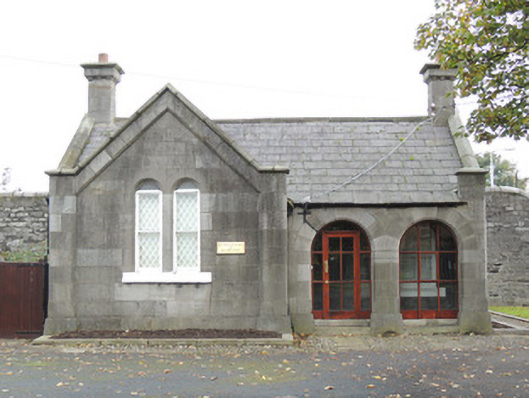 Military Heritage of Ireland Trustsexton's house · 136 yd
 Croppies Acre MemorialMemorial · 169 yd
 Burial ground in Unknown TownlandBurial ground · 182 yd
 1916 Easter RisingMemorial · 268 yd
 European PearEuropean Pear · 632 yd
 Silver mapleSilver maple · 1040 yd
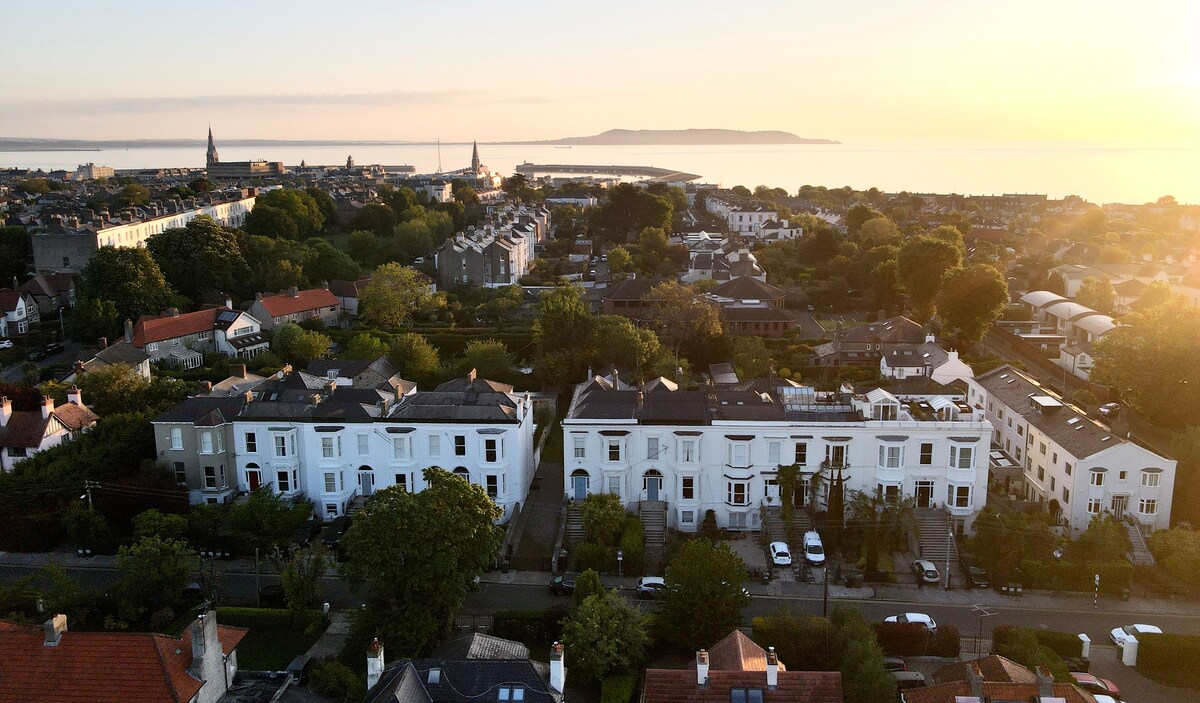 Gairdín Foirmiúil Ospidéal Ríoga Chill MhaighneannVisitor information · 1143 yd