What is recorded here
Grenanstown Castle vanished into rolling pastureland, leaving only an old stumpe mentioned in the Civil Survey and a limestone quoin buried inside a later house. John Grace claimed the site in 1640, yet the castle itself resisted description, suggesting it was already half forgotten when the surveyors arrived. The seventeenth-century T-plan house may have swallowed the castle’s bones, turning a defensive structure into domestic walls. What remained was not ruin but transformation, castle flesh rewritten as household brick.
Situated in rolling pastureland. The Civil Survey (1654-5) refers to 'old stumpe of a Castle' at Grenanstown with John Grace listed as proprietor in 1640 (Simington, 1934, vol. 2, 220). The house presently on this site (TN021-081002-) is a late T-plan seventeenth-century house. One of the quoins on the return is exposed, it is a roughly dressed limestone block with drafting at the edge, possibly of sixteenth or early seventeenth-century date. It is possible that some of the fabric of an earlier castle has been incorporated into the seventeenth-century house. No visible trace of the castle above ground.
The above description is derived from 'The Archaeological Inventory of County Tipperary. Vol. 1 - North Tipperary' compiled by Jean Farrelly and Caimin O'Brien (Dublin: Stationery Office, 2002). In certain instances the entries have been revised and updated in the light of recent research.
Date of upload/revision: 22 September 2008
John Grace held Grenanstown in 1640, and a castle or fortified structure was noted there in the 1654–5 Civil Survey. It is remembered as part of the historical landscape of early modern Ireland, reflecting landownership patterns during the 17th century.
This remains an important historical record, but the official description says the monument is no longer visible or has been destroyed. The monument record does not grant public access. Check the route and ask the landowner before entering private land.
- What survives
- No visible remains or recorded as destroyed
Places near here
 Grenanstown Househouse · 2 yd
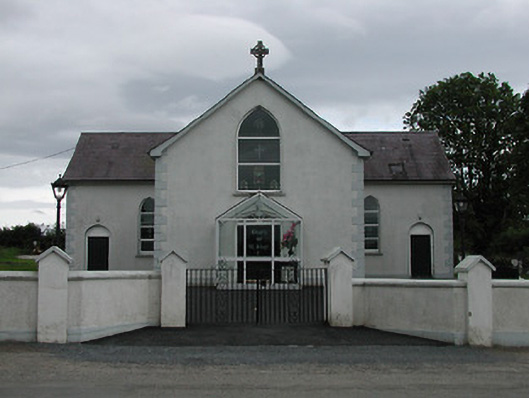 Saint Joseph's Catholic Churchchurch/chapel · 1018 yd
 IndicatedEnclosure · 1498 yd
 Enclosure in LismoreEnclosure · 1.3 mi
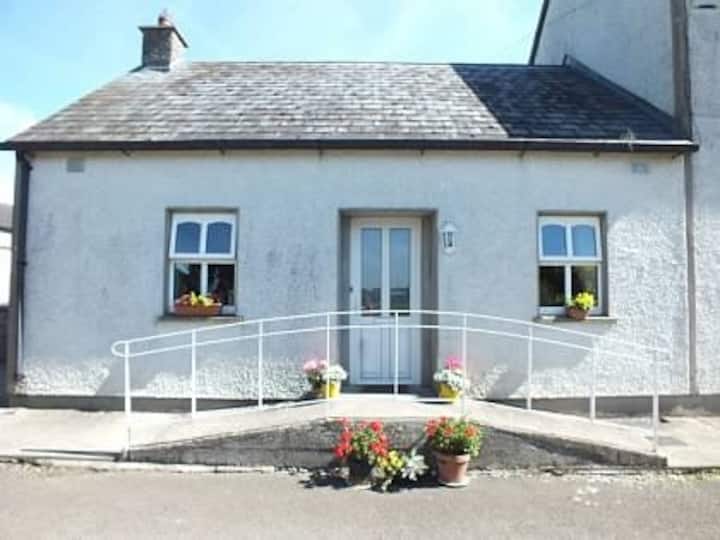 Millbrook Ho.Castle, unclassified · 2.1 mi
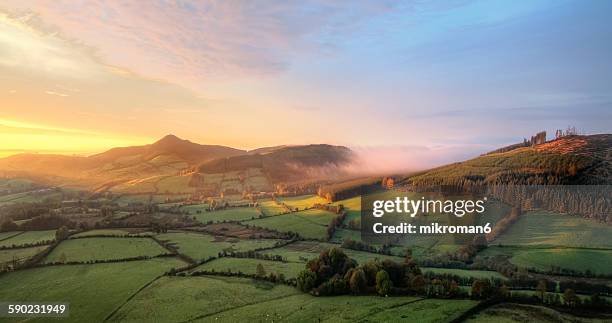 Interragh HillMountain / peak · 2.1 mi
 Knockacraheen HillMountain / peak · 2.2 mi
 Ballintotty Castle (in ruins)Castle, tower house · 2.3 mi
 Killavalla WoodForest · 2.7 mi
 Kyleroe WoodWood · 3.5 mi
 James Devaney MemorialMemorial · 4.7 mi
 Old BarracksHeritage attraction · 5.1 mi