What is recorded here
One chamber held a dead person, a chamber held a living memory, and a chamber may have held neither. The first cist was cut through the old cairn like a knife through a loaf, destroying the boundary stones that marked the edge of the world. The second cist sat flush with the surface, its capstone loose enough to lift, its corner open to the sky. The third cist may not have existed at all, only a stone corner protruding from the centre like a tooth through gum. Fieldstown is not a place where death was hidden. It is a place where death was handled, adjusted, exposed, and handled again.
Two short cists, with possible third, visible in core of multiple cist cairn (LH021-035----). Cist 1 (LH021-035001-) was excavated in 2001 (Excavation Licence No. 01E0048) as a result of the contents being exposed. Prior to excavation it was visible in the N face of the cairn where the cairn has been cut back by agricultural activity. It consisted of a capstone (L 1.5m, Wth 0.8m, T 0.26m) and two visible side stones. Excavation showed that this cist had been cut into the original cairn and had removed some of the kerbstones that surrounded the rest of the cairn. The contents of the cist had been robbed prior to excavation and only a few fragments of human bone were recovered during excavation. Following excavation the cist and cairn were reinstated. (Murphy, Donald 2003, 268)
The capstone of Cist 2 (LH021-035002-) is visible, flush with the cairn surface, in the E quadrant. This capstone (L 1m, Wth 0.8m, T 0.22m) is loose and the interior of the cist is visible at one corner. In the centre of the cairn a corner of a large stone is visible; this may be the capstone of a third cist (LH021-035003-).
The above description is derived from the 'Archaeological Survey of County Louth' (Dublin: Stationery Office, 1991). In certain instances the entries have been revised and updated in the light of recent research.
Date of upload: 17 July 2012
Revised by: Claire Breen
A Neolithic cist tomb, dating to the 4th to 3rd millennium BCE, part of a multiple cist cairn, significant for providing insights into early burial practices and funerary architecture in the region.
The monument record does not grant public access. Check the route and ask the landowner before entering private land.
- What survives
- Recorded monument
Places near here
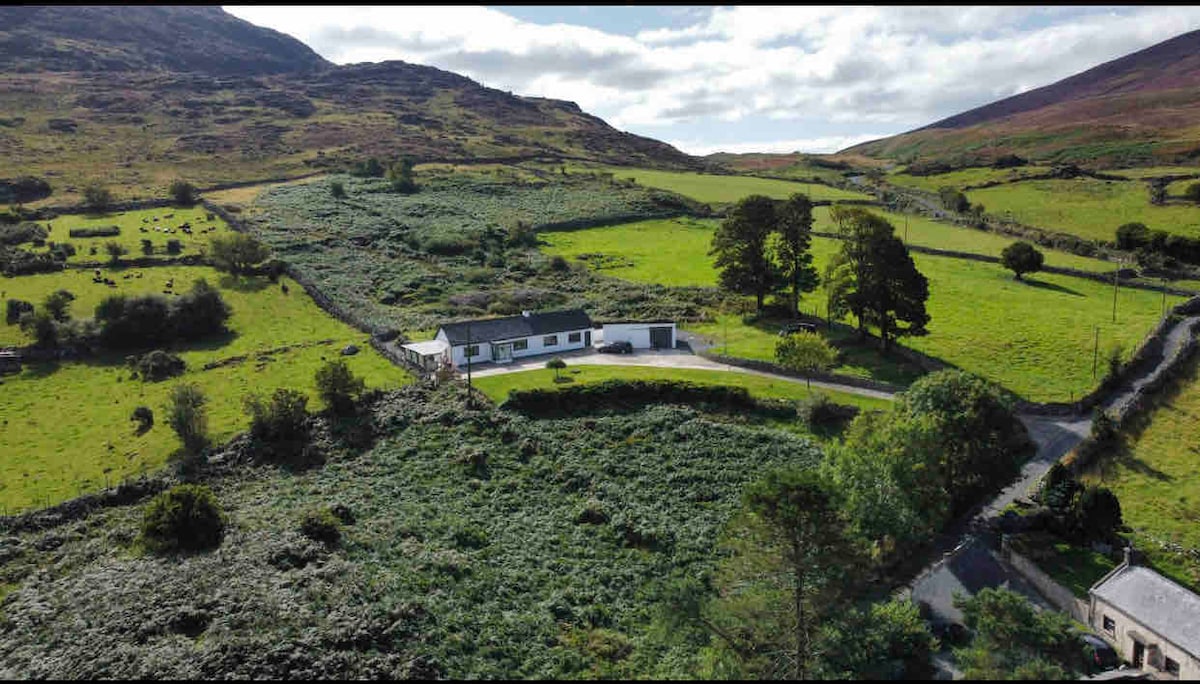 Man-made underground passage in BrownstownMan-made underground passage · 720 yd
 Church (in Ruins)Church · 1189 yd
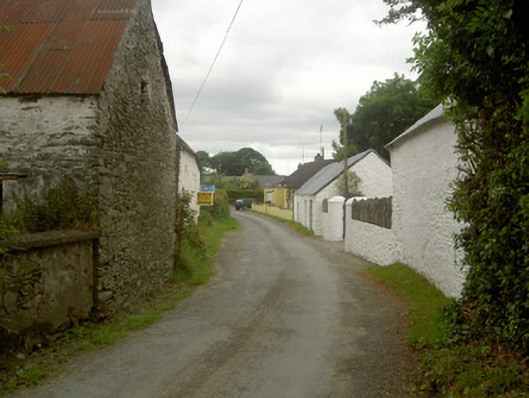 outbuildingoutbuilding · 1.1 mi
 Man-made underground passage in BawntaaffeMan-made underground passage · 1.2 mi
 CastleCastle, motte · 1.2 mi
 MonasterboiceEarly monastic site · 1.8 mi
 Muiredach's High CrossHeritage attraction · 1.8 mi
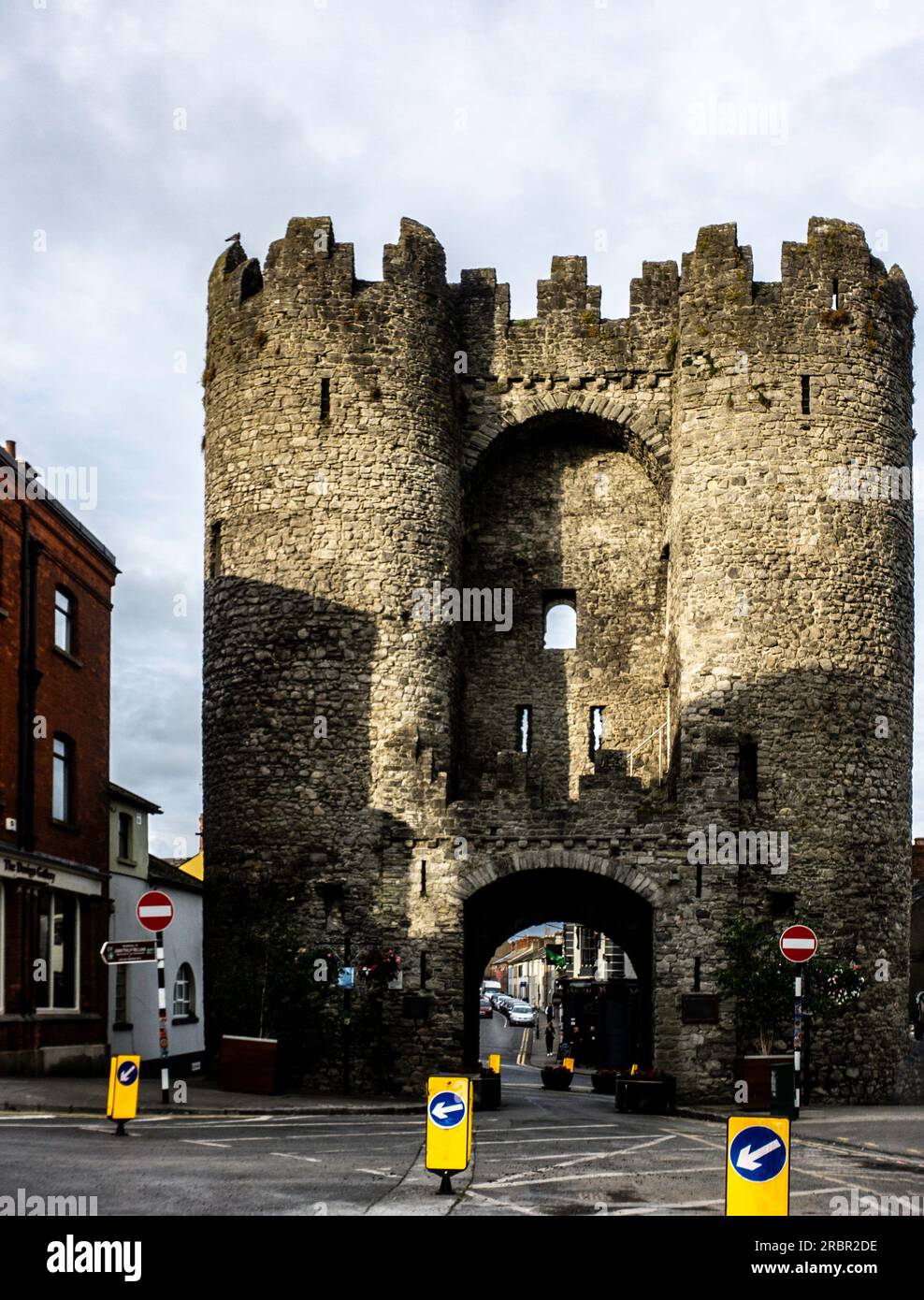 BarabonaMountain / peak · 2.6 mi
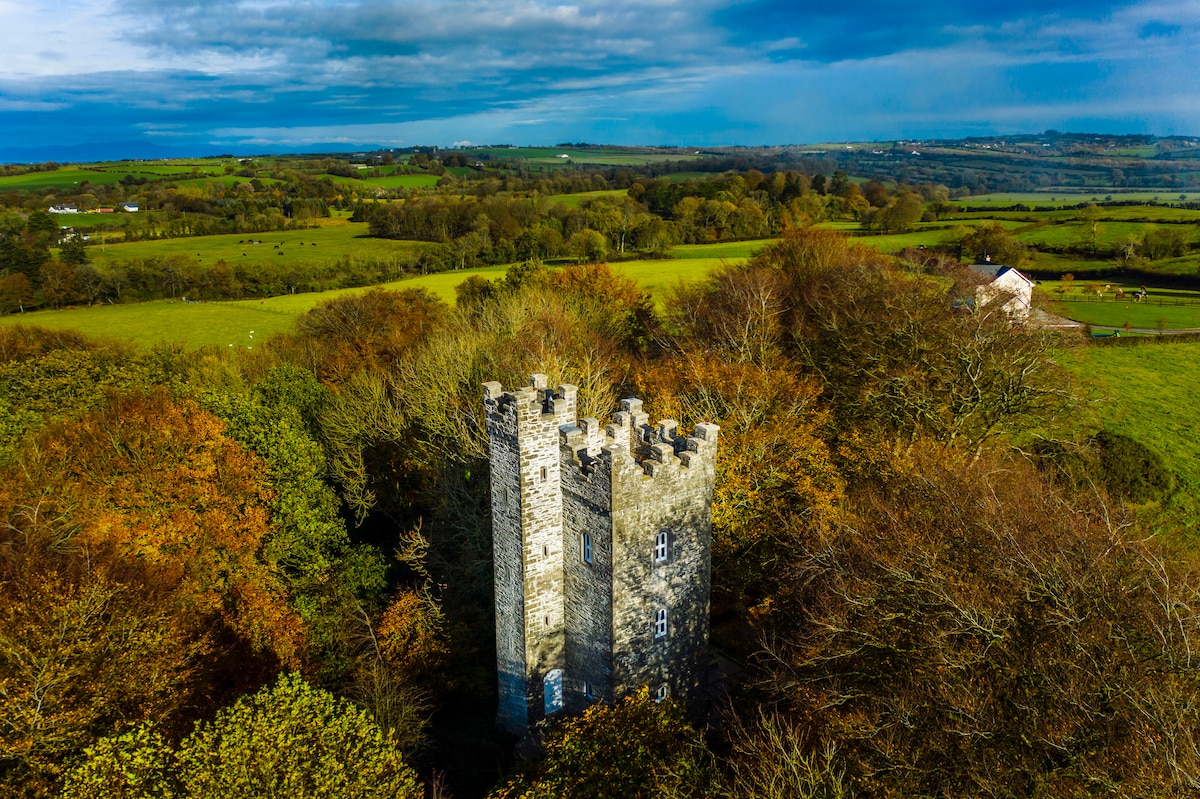 Drummond TowerCastle · 2.9 mi
 Grove IslandIslet · 3.6 mi
 Yellow IslandIslet · 3.6 mi
 Battle of the Boyne Visitor CentreMuseum · 3.8 mi