
More pictures of this place


What is recorded here
One word in the official record changes the whole story. Shopfront with chamfered corner and granite wheel guard to corner, comprising timber pilasters supporting fascia with carved cornice having carved brackets and pedimented scrolled consoles.
Corner-sited attached pair of three-storey former houses, built c.1840, with two-bay elevation to north and further single-bay to south of front (west) elevation, having recent wraparound shopfront to both elevations. Now in use as public house. M-profile pitched slate roof, hipped to north, hidden behind rebuilt red brick parapet with granite coping, red brick chimneystack. Red brick, laid in Flemish bond, to walls, with smooth render to south elevation, having render plinth course and smooth rendered walls to ground floor. Square-headed openings with brick or raised rendered reveals, granite sills and six-over-six pane, six-over-three pane timber sliding sash windows and timber Wyatt windows. Shopfront with chamfered corner and granite wheel guard to corner, comprising timber pilasters supporting fascia with carved cornice having carved brackets and pedimented scrolled consoles. Square-headed display window openings with timber casement windows. Square-headed door opening to recessed porch, with double-leaf timber door and tiled threshold. Recent timber panelling and architraves to interior, tiled floors. Laneway to south providing access to beer garden. Granite paviers to front. Located at junction of Temple Bar and Temple Lane South.
Shopfront with chamfered corner and granite wheel guard to corner, comprising timber pilasters supporting fascia with carved cornice having carved brackets and pedimented scrolled consoles.
Commercial directories record a ‘grocer and spirit dealer’ here in the 1840s owned by J. Farley and a ‘grocer, tea, wine and sprit merchant’ owned by P. Ramsbottom in the 1890s, indicating a continuity of use for over one hundred and seventy years, and constituting a significant reminder of the social and commercial history of the area. This building retains some of its traditional form and fabric, with the fenestration, particularly the Wyatt windows, making an interesting contribution to the streetscape. Temple Bar and Temple Lane South are named after Sir William Temple and his son Sir John Temple who acquired the land between the River Liffey and Dame Street in the seventeenth century. The area was fully reclaimed and developed by the early eighteenth century and became a mixed residential and commercial quarter.
The story behind this place
Shopfront with chamfered corner and granite wheel guard to corner, comprising timber pilasters supporting fascia with carved cornice having carved brackets and pedimented scrolled consoles.
This does not grant access. Most recorded buildings are privately owned; view them only from public ground unless the owner allows entry.
Places near here
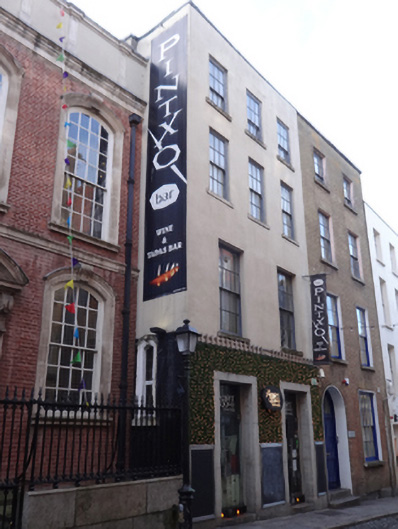 Pinxtoschool · 71 yd
 The Arkchurch/chapel · 77 yd
 Tourist Information CentreVisitor information · 242 yd
 Dublin City HallHeritage attraction · 290 yd
 Newcomen BankVisitor information · 322 yd
 Quay in Unknown TownlandQuay · 322 yd
 Battle of DublinMajor battlefield · 354 yd
 Dublin Castlegates/railings/walls · 369 yd
 CastleCastle, Anglo-Norman masonry castle · 373 yd
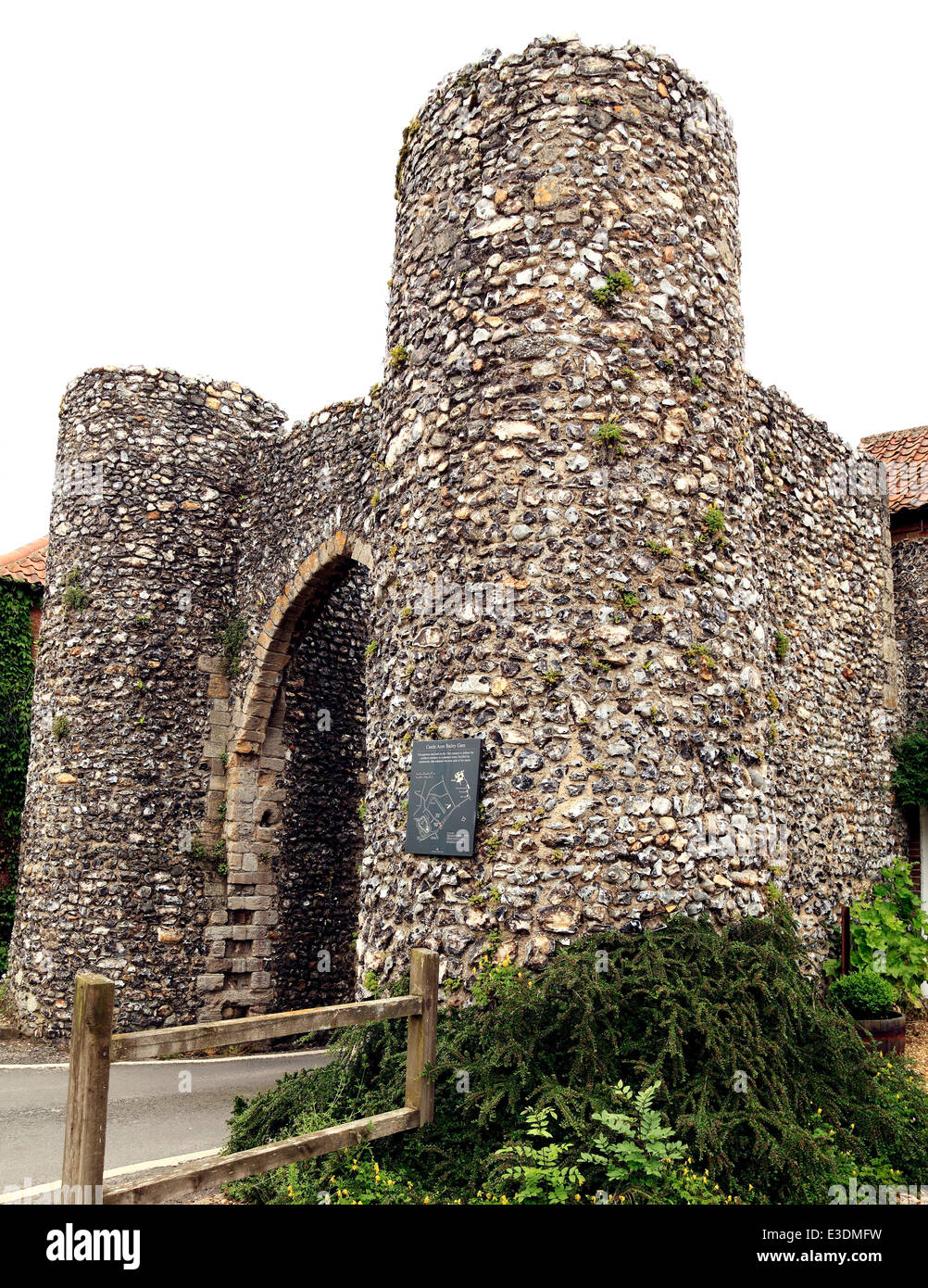 Town defences in Unknown TownlandTown defences · 407 yd
 Special Olympics MemorialMonument · 452 yd
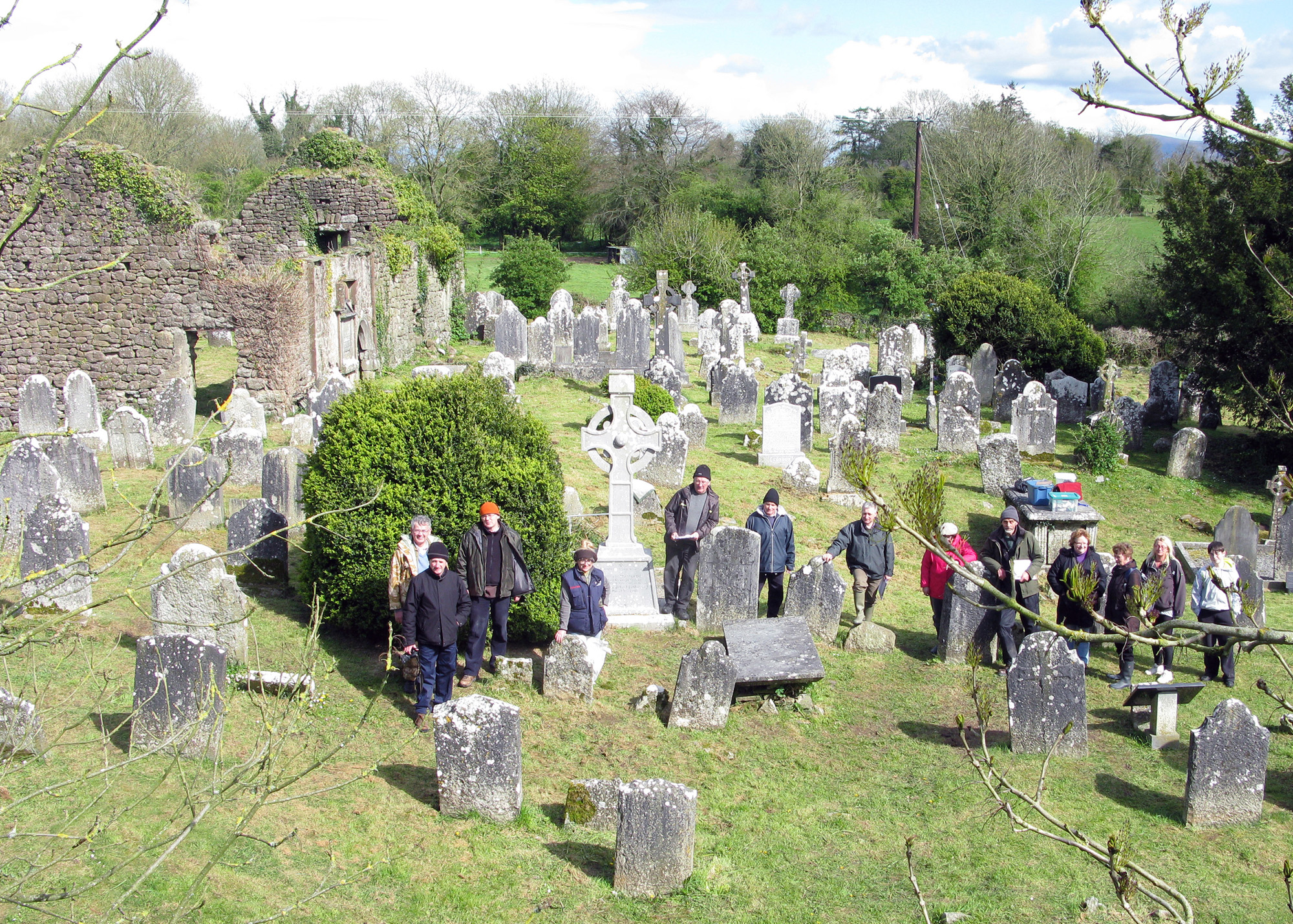 Graveyard in Unknown TownlandGraveyard · 462 yd
Other information
Photo: Jean Housen · CC BY-SA 3.0