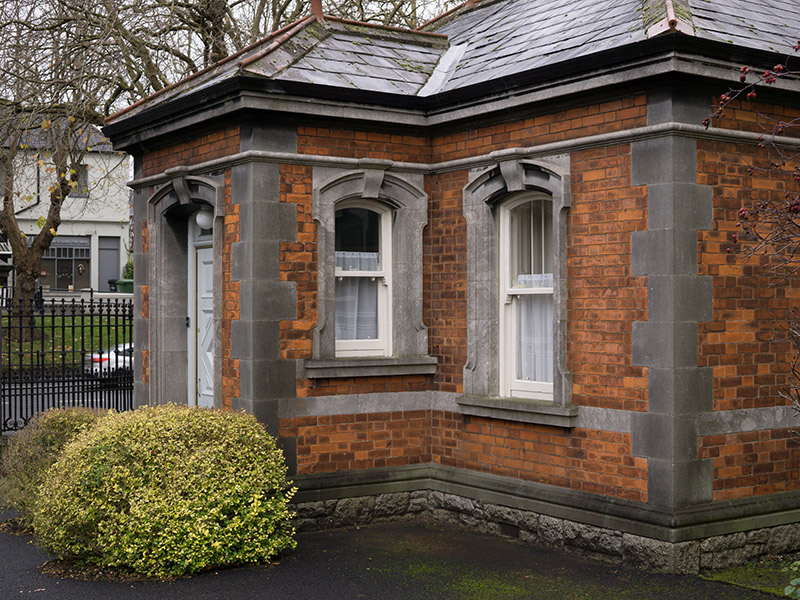
What is recorded here
Detached three-bay single-storey gate lodge, built c. 1890, having central projecting porch to front (south) elevation, canted-bay window to west elevation, and recent two-bay single-storey addition to northwest. Hipped slate roof with clay ridge tiles having terracotta ball finials, red brick chimneystack with cut granite copings and clay pots, moulded limestone eaves course, and replacement aluminium rainwater goods. Red brick walling, laid in Flemish bond, having cut limestone block-and-start quoins, limestone platband at sill level, carved stringcourse over windows, on cut limestone plinth course over squared rock-faced granite course. Segmental-headed window openings with shouldered carved limestone surrounds with dropped scrolled keystones, stepped limestone sills, and one-over-one pane timber sliding sash windows. Segmental-headed doorway to porch, with similar detailing to windows, plain overlight and replacement timber panelled door, approached by single nosed granite step. Set to west of archbishop's residence and Holy Cross College, behind entrance gateway.
This gate lodge retains an intact and original character, with substantial preservation of its salient features. The limestone architraves are finely carved and crisp in their detail and lend textural and tonal variation to the red brick of the walls. The building also enhances the visibility of the accompanying gateway on Drumcondra Road Lower. This west entrance to the Holy Cross College complex focuses on the Archbishop's residence, so it is fitting that this gate lodge, in its style and fabric, acts as an introduction to the architecture of the latter. The archbishop's residence was built at the end of the nineteenth century for Paul Cullen (1803-78), founder of the college and one of the most influential individuals in the rejuvenation of the Catholic Church in the late nineteenth century.
This does not grant access. Most recorded buildings are privately owned; view them only from public ground unless the owner allows entry.
Places near here
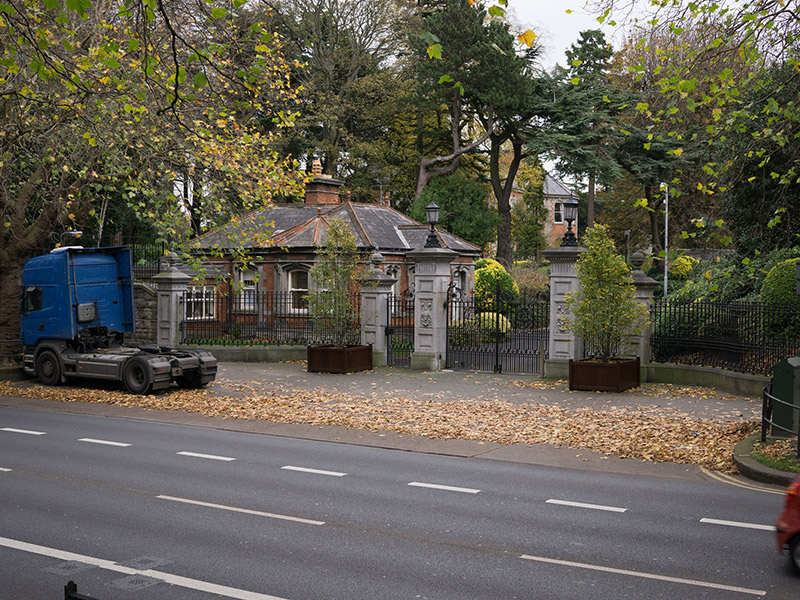 Archbishop's Housegates/railings/walls · 14 yd
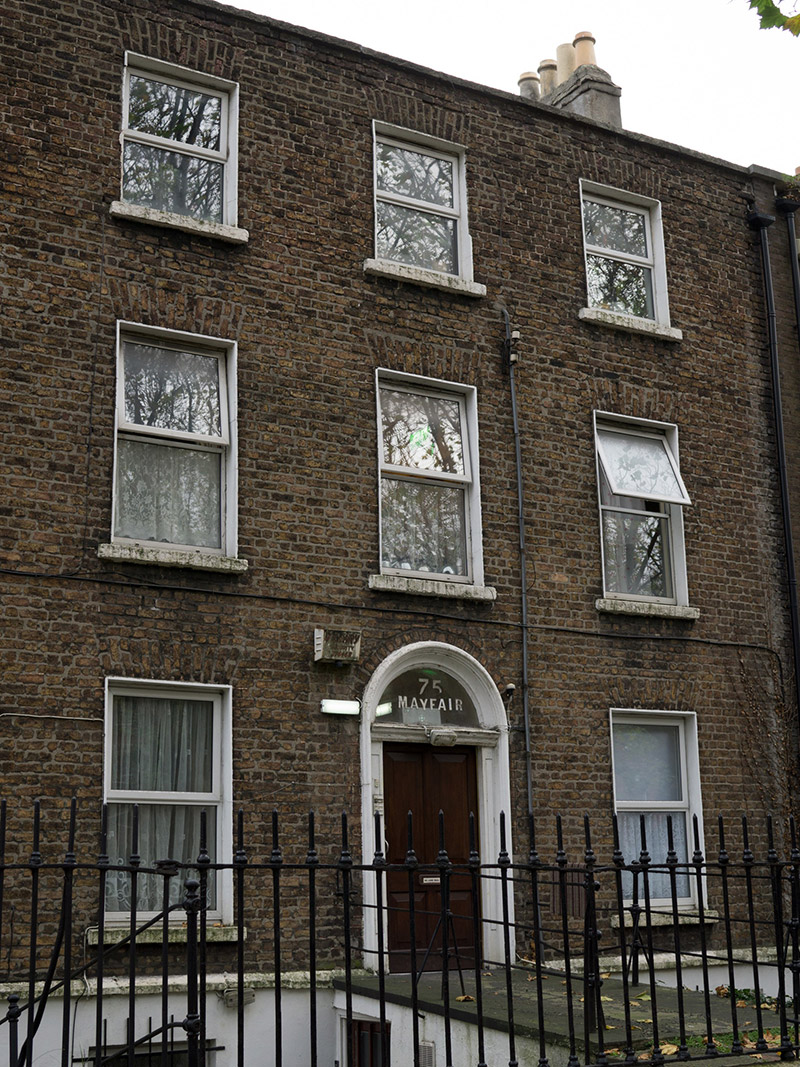 Mayfairhouse · 45 yd
 Percy Edwin LudgateMemorial · 358 yd
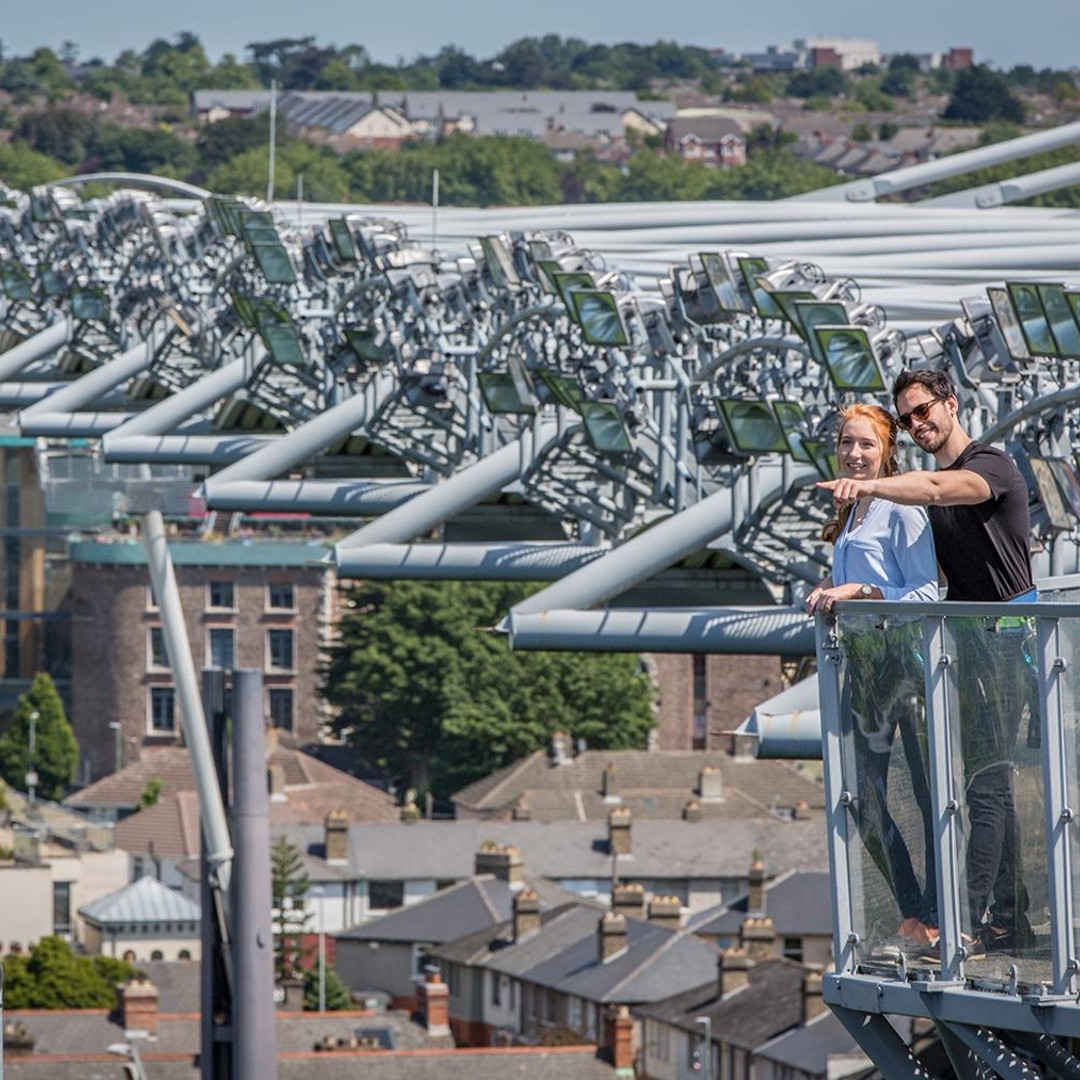 Kellogg's Skyline TourHeritage attraction · 551 yd
 Memorial to Peadar Kearney 1883-1942Memorial · 629 yd
 Leabharlann LibraryVisitor information · 633 yd
 DCUVisitor information · 674 yd
 St. Catherines WellHoly well · 708 yd
 Gaelic Athletic Association MuseumMuseum · 749 yd
 St Josephs Asylum for the BlindCastle, unclassified · 830 yd
 Grave yd.Graveyard · 831 yd
 Saint John's WellSpring · 863 yd
Other information
Photo: National Inventory of Architectural Heritage · Website use allowed for educational or private purposes with source credit