
What is recorded here
Rectangular-plan walled garden, built c.1840, having curved corners to north-west and south-west, railings to north end of east boundary, and bell tower to south-east corner. Rubble stone walls, having red brick facing in English garden wall bond to interior faces. Terracotta copings to walls. Wrought-iron railings, with tooled stone plinth, tooled stone pier to north-east corner. Square-plan bell tower having rubble stone walls, topped with red brick walls in facer bond, and cut-stone bell-cote with pointed-arch openings. Segmental-headed pedestrian opening to east wall. Segmental-headed carriage arch to south wall.
This is part of an interesting group with the other structures associated with Creevelands, the gate lodges and site entrances, the stable yard, the house itself, and the ruined remains of the flax mills that John Jackson owned in the eighteenth and early nineteenth century. Due to the collapse of the linen industry in the early nineteenth century, many of the properties were sold including this one, and taken over by the Cunningham family, and it appears that this walled garden was built during their time. An earlier walled garden to the south of the house only partly remains. Like many walled gardens, this one is brick-lined, as the brick clay retains heat during the day and releases it at night, allowing for the cultivation of plants such as soft fruits and vegetables which require temperate climates. While bell-cotes were quite common in groups of outbuildings, a bell tower to a walled garden is an unusual and notable feature, as is the railed section to the east, and the over-sized bricks used as copings to the wall.
This does not grant access. Most recorded buildings are privately owned; view them only from public ground unless the owner allows entry.
Places near here
 Creevelandsdemesne walls/gates/railings · 335 yd
 mill (water)mill (water) · 412 yd
 FprtFairy fort / earthen ringfort · 934 yd
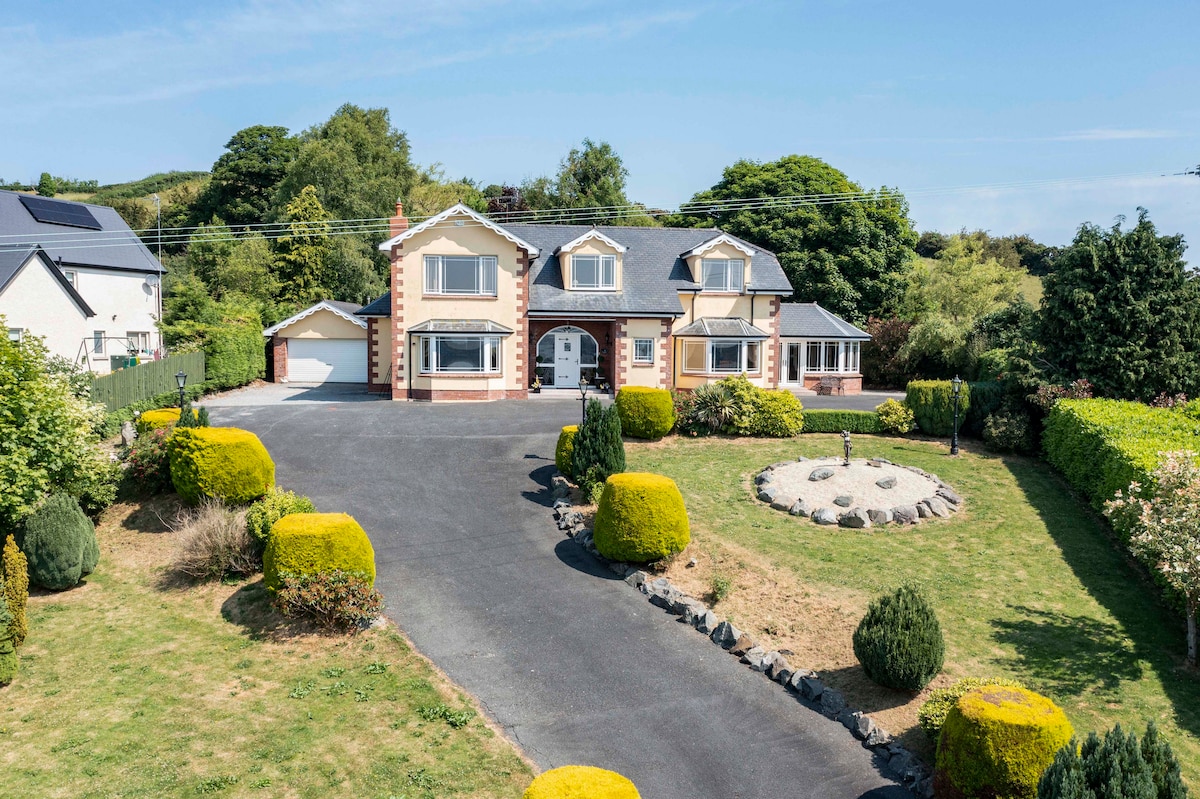 IndicatedFairy fort / earthen ringfort · 1203 yd
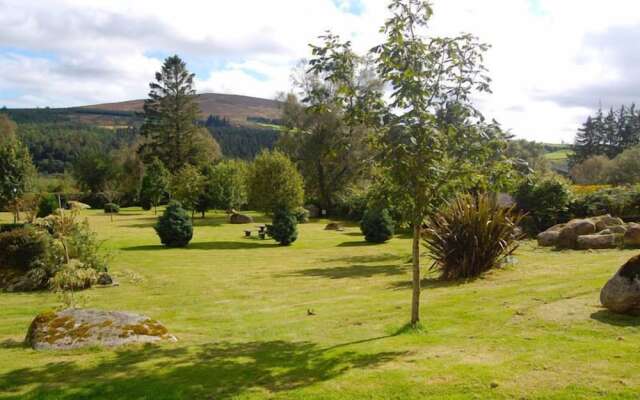 Laragh WoodForest · 1.6 mi
 Ballybay Wetland CentreNature reserve · 1.7 mi
 AghagashlanMountain / peak · 4.6 mi
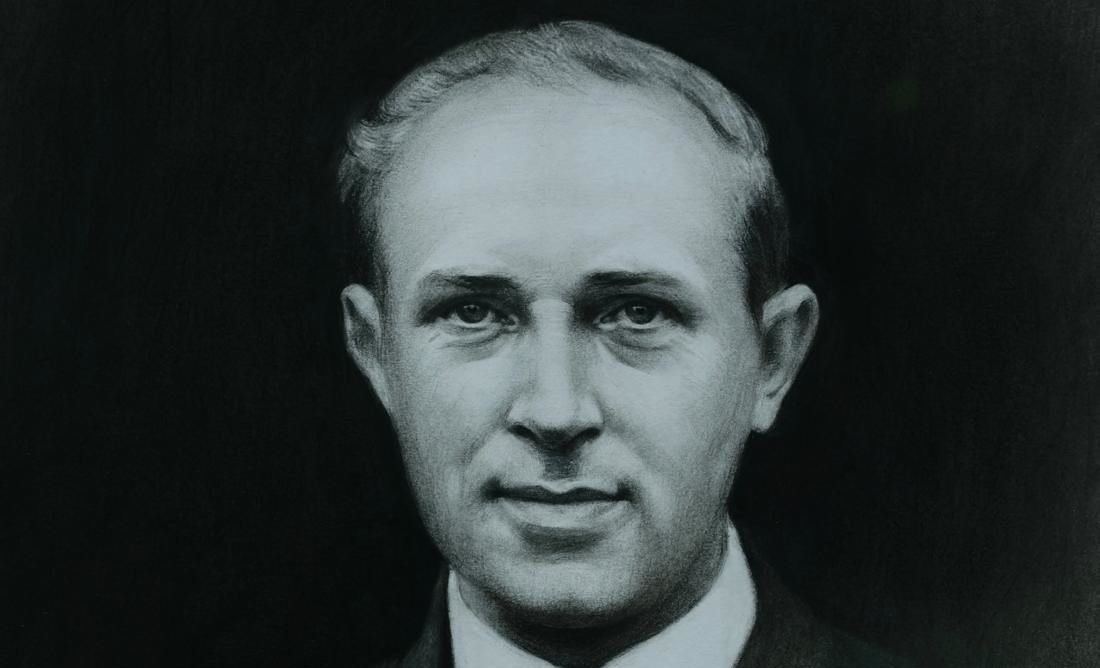 Senator Billy Fox 1939 - 1974Memorial · 4.8 mi
 Lough Egish IslandIslet · 4.8 mi
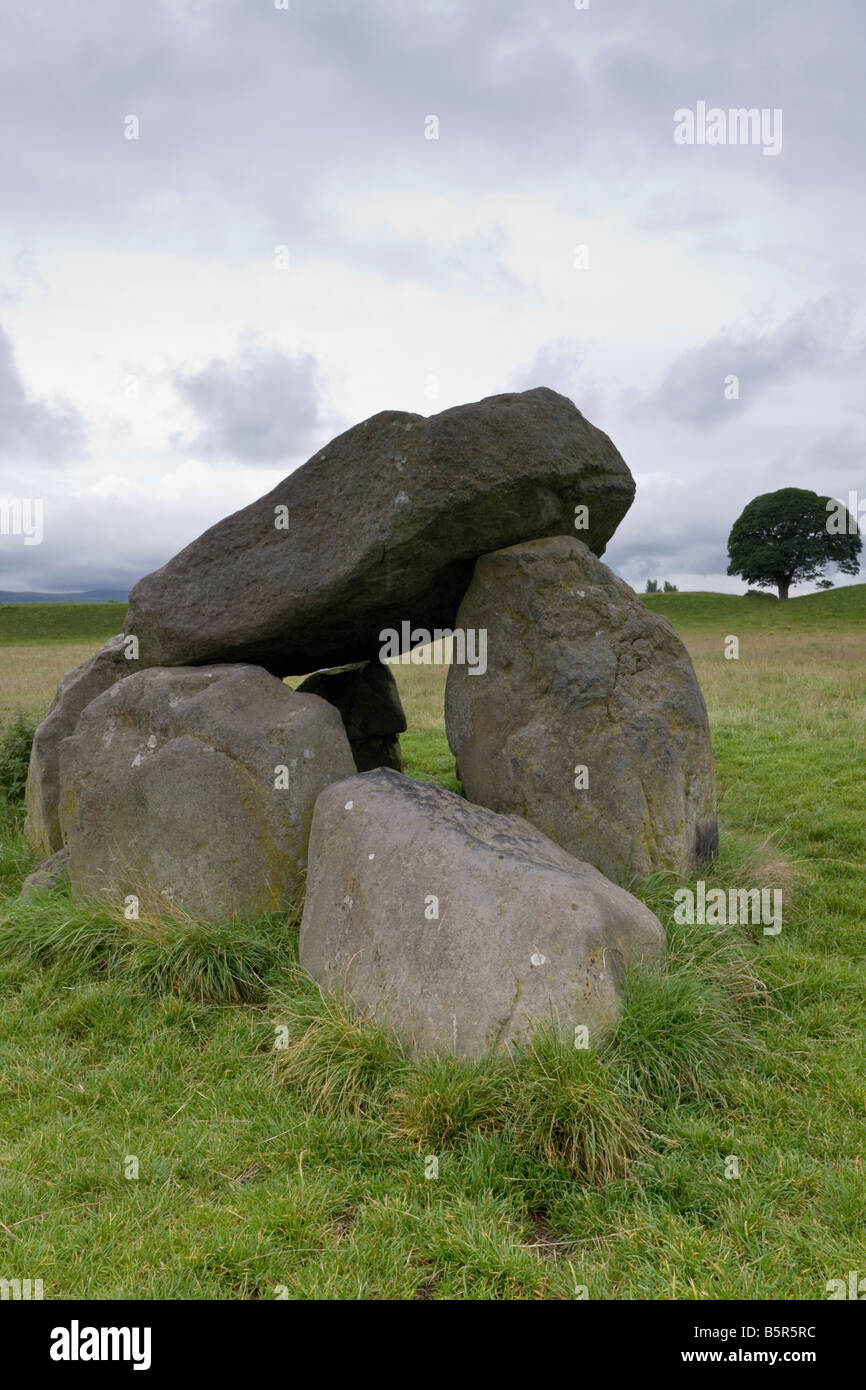 Giant's GraveArchaeological place · 4.9 mi
 IllanshivansIslet · 4.9 mi
 LisnaspeenanMountain / peak · 5.2 mi
Other information
Photo: National Inventory of Architectural Heritage · Website use allowed for educational or private purposes with source credit