
What is recorded here
Entrance gates and lodge to Creevelands, erected c.1860. Decorative double-leaf cast-iron vehicular gate, flanked by similar pedestrian gate to west side, with similar convex-curve railings sweeping out to roadside. Square-plan openwork cast-iron piers flanking entrances, and round-plan solid cast-iron piers to mid-point and road end of railings. Stepped pyramidal caps and moulded plinths to square-plan piers, gadrooned tops and floriated motifs to middle of railings, and Doric-style columns with squat pyramidal tops to terminating piers. Detached two-bay single-storey gate lodge inside gateway, having gabled entrance porch to rear (north-west) elevation, pitched slate roof with decorative timber bargeboards with pointed finials, red brick chimneystack, painted lined-and-ruled rendered walls to gable, painted rubble stone walls to front elevation, painted tooled stone quoins and plinth, square-headed window openings with painted masonry sills and replacement uPVC windows, and square-headed recent timber battened door to porch, approached by three rendered steps. Set at entrance to Creevelands, with gable facing road.
This impressive and decorative gateway to Creevelands is a notable feature on the roadside in an area with a significant number of architecturally interesting structures. The skilled craftsmanship in metal is evident, and the gates display, unusually, three different types of gate pier. The curving plan of the railings adds further elegance to the site. The gate lodge is simple, but the carved bargeboards present a decorative feature appropriate to the location. This is part of an interesting group with Creevelands house, outbuildings, walled garden, and the ruined remains of the flax mills that John Jackson owned in the eighteenth and early nineteenth century. John Jackson was one of four brothers involved in the linen industry in the Creeve area, and Creevelands can be considered to form part of a group with the other Jackson properties, Cremorne House, Drumfaldra, Carnaveagh House, and their associated mills.
This does not grant access. Most recorded buildings are privately owned; view them only from public ground unless the owner allows entry.
Places near here
 mill (water)mill (water) · 97 yd
 Cremorne Househouse · 311 yd
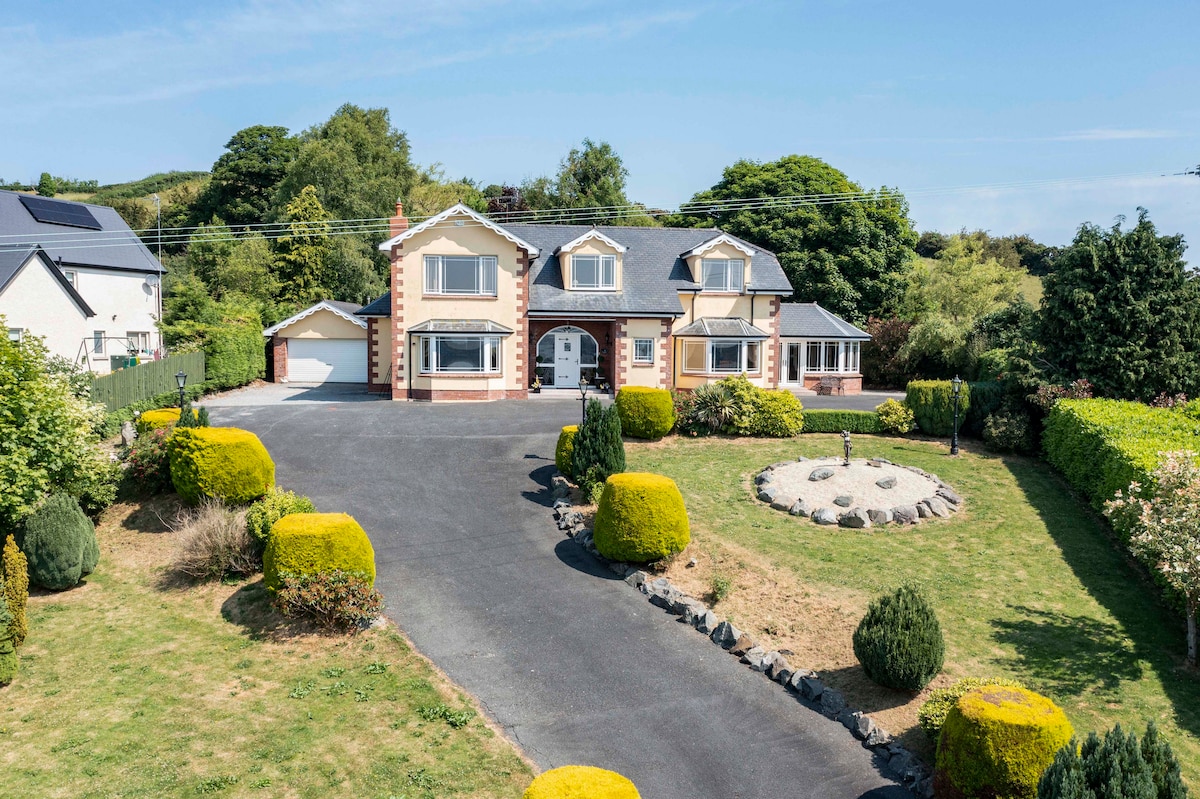 IndicatedFairy fort / earthen ringfort · 910 yd
 FprtFairy fort / earthen ringfort · 1197 yd
 Ballybay Wetland CentreNature reserve · 1.7 mi
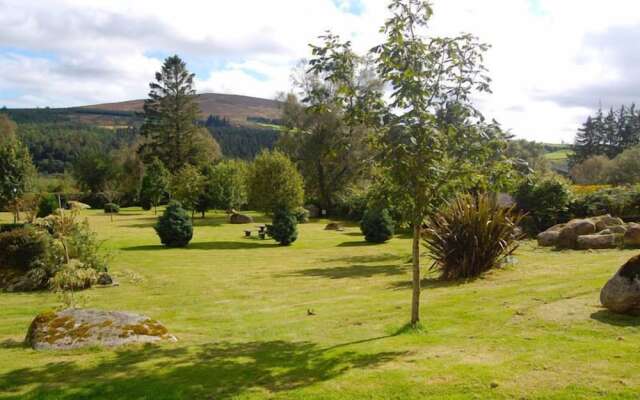 Laragh WoodForest · 1.8 mi
 AghagashlanMountain / peak · 4.4 mi
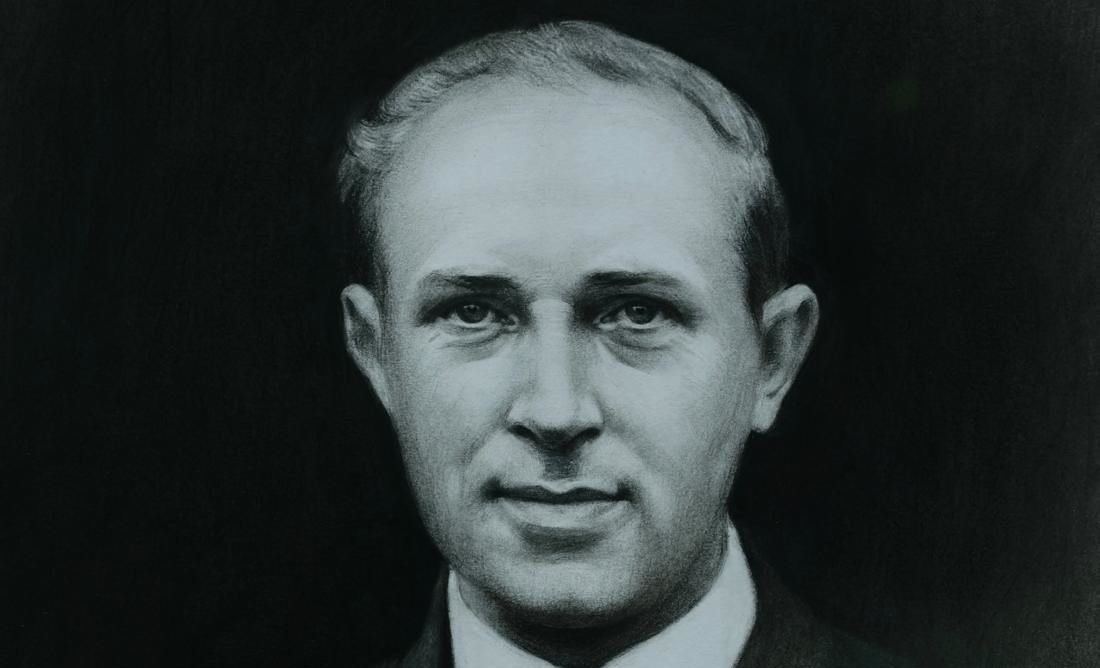 Senator Billy Fox 1939 - 1974Memorial · 4.7 mi
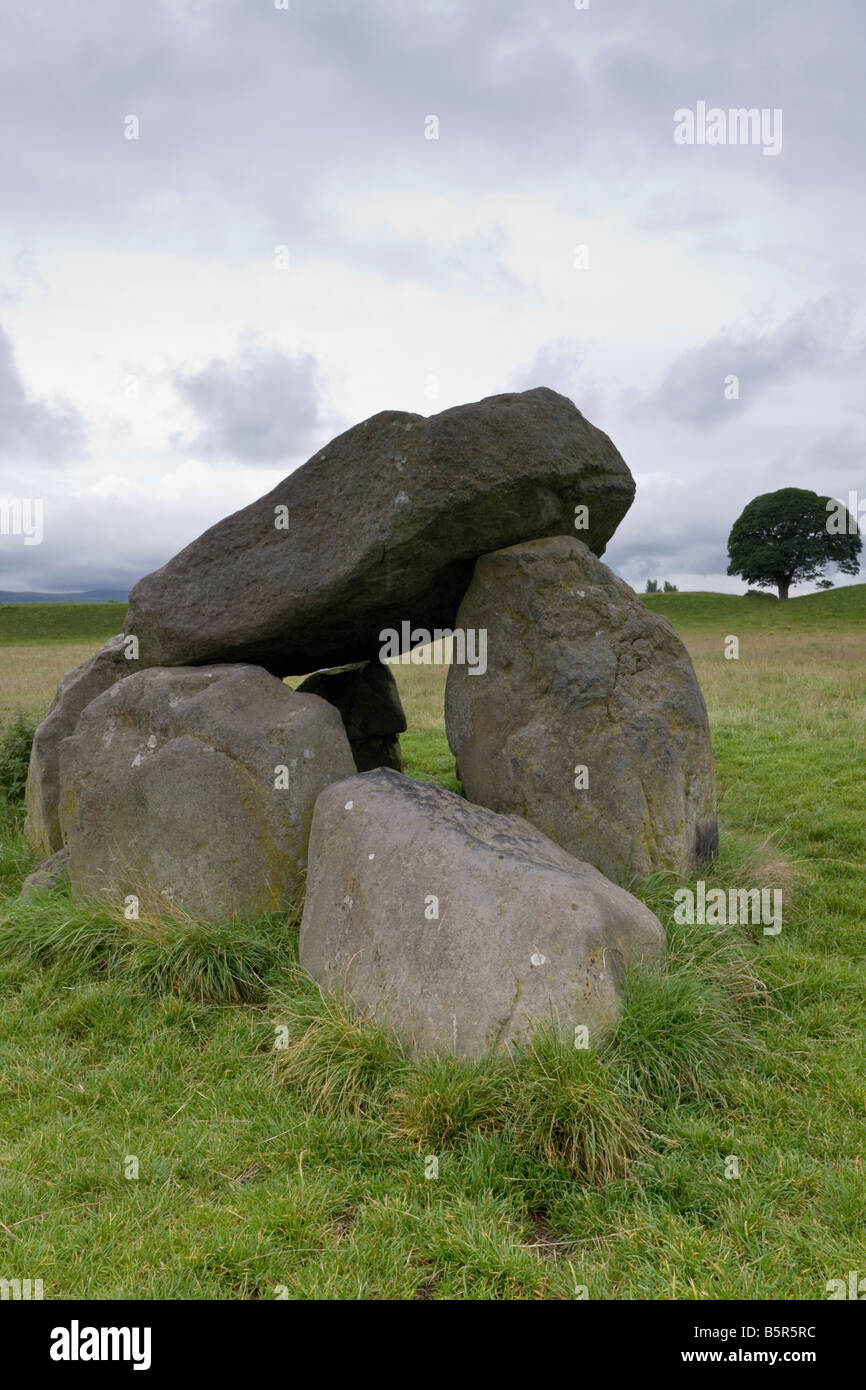 Giant's GraveArchaeological place · 4.7 mi
 Lough Egish IslandIslet · 4.9 mi
 IllanshivansIslet · 5.1 mi
 LisnaspeenanMountain / peak · 5.1 mi
Other information
Photo: National Inventory of Architectural Heritage · Website use allowed for educational or private purposes with source credit