What is recorded here
The site was first highlighted from a burnt mound type deposit. This deposit had been
smeared over the top of the enclosure ditch fill but after cleaning was seen to be cut
by the ditch. Beneath the burnt mound deposit were two very large troughs. A rectangular trough (apparently wood lined) leading across a saddle to an oval trough, which, in turn had a drain leading out the W. Such a partition is a normal way of 'filtering' water by having the sediment drop out in the first trough and then the 'purer' water passes over a saddle into the second trough. Since no incoming water channel has been identified, in this case, the construction might be a way conserving / reusing water that, as the rectangular trough was filled with hot stones, volume increased and the water overflows across the saddle into the second trough. The overflow water was perhaps already partially heated and can then be boiled up to double the Burnt Mound trough volume. Some stakeholes next to the troughs might be associated. The presence of the copper alloy palstave axe (found in testing) buried in secret c.40m to the N of the burnt mound shows LBA activity in the area. The axe has gone to Susannah Kelly for initial cleaning and conservation.
Compiled by: Caimin O'Brien.
Date of upload: 22 September 2008
Burnt mound in Camlin is a Bronze Age ritual or industrial site, characterized by a mound of heat-shattered stones. Its significance lies in providing evidence of prehistoric activity, possibly related to cooking, metalworking, or ceremonial practices.
The monument record does not grant public access. Check the route and ask the landowner before entering private land.
- What survives
- Recorded monument
Places near here
 Fulacht fia in CamlinFulacht fia · 24 yd
 Enclosure in CamlinEnclosure · 466 yd
 Kiln in CamlinKiln · 607 yd
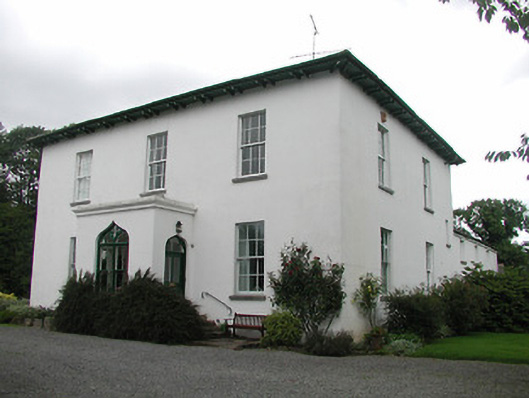 Aghsmear Househouse · 1609 yd
 Castle in ruinsHouse, fortified house · 1.1 mi
 CastleCastle, unclassified · 1.7 mi
 Roscrea Petty Sessions HouseHeritage attraction · 2.4 mi
 European ashEuropean ash · 2.6 mi
 Black HillMountain / peak · 2.7 mi
 European YewEuropean Yew · 2.7 mi
 Millennium GardenMemorial · 3.3 mi
 Saint Kieran's WellSpring · 4.4 mi