What is recorded here
Bremore holds a pear-shaped passage tomb at the mouth of the Delvin, where Neolithic people buried their dead beside the sea. The mound stretches fifteen metres north to south and eight and a half metres east to west, rising one metre above the coast. Ploughing has cut its western edge, exposing a core of water-rolled beach material that records both human making and marine change. The dead likely watched the tide for generations before the field boundary arrived to take half their house.
Situated on the coast at the mouth of the river Delvin. This passage tomb is part of Bremore cemetery (Rynne 1960, 80, Mound IV). A pear-shaped mound (dims. 15m N-S; 8.5m E-W; H 1m). The site is truncated at the W side by a field boundary and has been damaged by ploughing. There is a core of water-rolled beach material exposed on the W side. Listed as possible passage tomb (Herity 1974, 209). Geophysical survey (Licence no. 06R0050) of the mound did not return specific structural detail (Gimson 2006, 10). The area was also subject to a constraint study carried out by Margaret Gowen & Company Ltd. in advance of a proposed port. In addition fieldwalking and lithic analysis was undertaken for an MA study (Collins, 2007).
Compiled by: Geraldine Stout
Updated by: Christine Baker
Date of upload: 16 April 2015
This monument is subject to a preservation order made under the National Monuments Acts 1930 to 2014 (PO no. 27/1976).
Passage tomb, dating to the Neolithic period (c. 3500–2500 BCE). It is part of a larger cemetery, indicating the site's importance as a communal burial and ritual landscape.
The monument record does not grant public access. Check the route and ask the landowner before entering private land.
- What survives
- Recorded monument
Places near here
 Passage tomb in BremorePassage tomb · 50 yd
 BarrowBarrow, unclassified · 85 yd
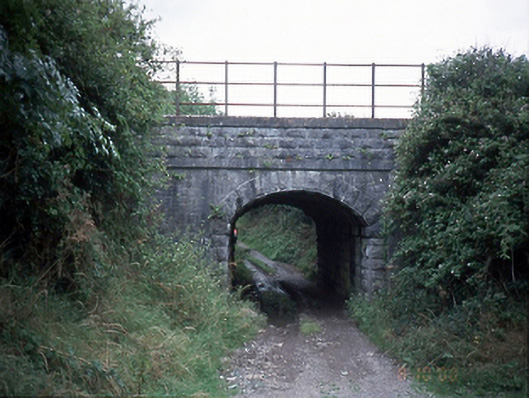 bridgebridge · 1257 yd
 QuarryQuarry · 1265 yd
 CastleHouse, fortified house · 1554 yd
 Bremore CastleCastle · 1562 yd
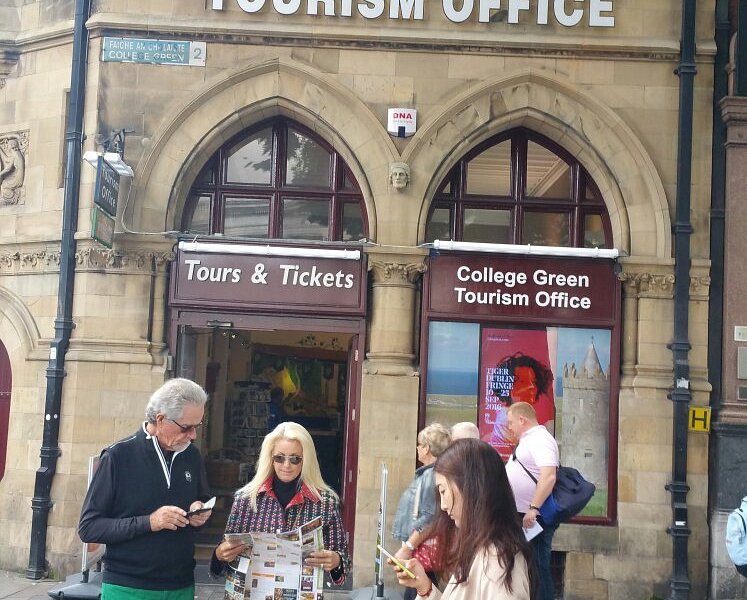 Balbriggan Tourist OfficeVisitor information · 1.5 mi
 European YewEuropean Yew · 1.8 mi
 SycamoreSycamore · 2.0 mi
 Clonard SpringSpring · 2.0 mi
 Ben HeadCliff · 2.1 mi
 Balrothery Heritage CentreMuseum · 3.0 mi