Places near here
Photo credits
- National Inventory of Architectural Heritage
- N Chadwick, Geograph · CC BY-SA 2.0
- P L Chadwick, Wikimedia Commons · CC BY-SA 2.0
- Alvaro, Wikimedia Commons · CC BY-SA 3.0
- Wikimedia Commons contributor · CC SA 1.0
- Sarah777, Wikimedia Commons · Public domain
- Gillfoto, Wikimedia Commons · CC BY-SA 4.0
- Shane.Halloran at English Wikipedia, Wikimedia Commons · Public domain
- EecherplazGinkgo06.jpg : Cayambe derivative work: Ginkgotree ( talk ), Wikimedia Commons · CC BY-SA 3.0
- Jean-Pol GRANDMONT, Wikimedia Commons · CC BY 3.0
- Berthold Werner, Wikimedia Commons · CC BY-SA 4.0
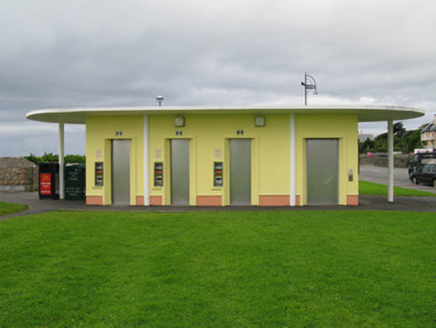 public convenience102 yd
Explorer Tom Public convenience in Lenaboy started from a bet two lads made in the pub about who could build the weirder toilet. Art Deco really is the answer to everything, even personal emergencies. Bring the essentials, you never know when nature calls.
 Shore HavenHouse · 167 yd
Explorer Tom Shore Haven nearly became famous when a celebrity accidentally parked a yacht on its loggia. It remains a landmark on the coastal road, mostly because people are still talking about it. Bring the dog, it'll have o
 Blackrock BeachBeach / strand · 281 yd
Explorer Tom Blackrock Beach near Salthill witnessed a tragic love story where two people argued about who owned the best rock to sit on. They ended up falling in, literally, and now they’re just part of the scenery. Bring a friend who talks too much and let the place shut them up.
 Famine Ship MemorialMemorial · 1640 yd
Explorer Tom Famine Ship Memorial has a prophecy saying it will float away on a Tuesday if nobody talks to it for a week straight. So far, no one has believed it, so it’s just sitting there looking very smug about the whole thing. Give it a pat on the way past, it's had a long life.
 Mutton IslandIslet · 1.4 mi
Explorer Tom Mutton Island has a lighthouse, a causeway and a name that sounds ready for one of my worst jokes. Its older name is Inishkeragh, or Inis Caorach, and it lies about a kilometre off Galway city. The manmade causeway leads to a working sewage-treatment plant as well as the light; this is useful city infrastructure, not a secret island resort. I would promise you a guided tour of the machinery, but nobody has given me the keys and that would be a poor surprise at the gate. The island has no permanent residents and is generally visited by the people working there. View it from a lawful public shore point and do not use the service causeway without permission. Notice how the lighthouse and modern works share one small piece of ground. Even a place with an unglamorous job can deserve a second look.
 Christopher Columbus MonumentMemorial · 1.5 mi
Explorer Tom Christopher Columbus Monument in County Galway is secretly proud of the potato he brought to Ireland, not America. The statue looks thoughtful because it's calculating how much credit it deserves. Bring wellies and low expectations, leave delighted.
 Spanish ArchHeritage attraction · 1.5 mi
Explorer Tom I was ready to tell you a Spanish fleet story. Galway made me check the wall. Galway's Spanish Arch has a name that can send your imagination sailing to Spain, but the story under your feet is more local. The surviving arches stand in the old wall by the River Corrib. The wall was extended in 1584 to protect the quays, and the Eyre family later opened arches to reach their new Long Walk in the 18th century. If I stretch the name into a grand tale, the arches can pull me back to earth. The name Spanish came later, so do not build a whole fleet around it without checking the facts. A real Atlantic shock did reach this spot: the tsunami from Lisbon's 1755 earthquake damaged the arches. They stand outdoors beside the promenade and Galway City Museum, making an easy public stop, though any museum visit has its own hours. Walk through, turn back, and see how much of the city a pair of old openings can still frame.
 Blake's CastleCastle · 1.6 mi
Explorer Tom Belleville Castle had a fake royal visit in 1830 that nobody can disprove because everyone who was there is dead and the diary entries are just sketches of a very confused dog. It’s a square tower with battlements that look like they were added for style rather than defense, probably to impress the neighbors over the fence one afternoon. Perfect place to be dramatically windswept.
 Galway City MuseumMuseum · 1.6 mi
Explorer Tom Galway City Museum began with old city stones, which is a sounder foundation than the stories I usually start with. Artist Clare Sheridan acquired medieval pieces that helped form the first collection. The museum began in 1976, then moved into a purpose-built home by the Spanish Arch in 2007. The Corrib runs nearby, and the arch recalls Galway's former defensive wall, so the city outside is part of the lesson. I would claim to know every stone's original address, but I would need the museum labels to save me. Exhibitions change, covering Galway lives well beyond the medieval period. Check current hours and any ticket arrangements before visiting, and allow time for the riverfront afterward. Stand between building and arch. It is a fine place to ask what a city decides to keep.
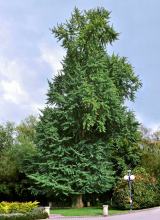 Ginkgo1.6 mi
Explorer Tom Ginkgo in County Galway survived a bet where a priest swore he could climb it without touching a single branch, but the leaves were too slippery and he lost his hat. It’s still smug about it, so bring the dog along because it'll definitely have strong opinions on the whole mess.
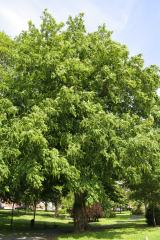 Caucasian Wingnut1.6 mi
Explorer Tom Caucasian Wingnut is full of itself, dropping nuts that look like they came straight out of a sci-fi movie prop shop. If you give it three pints, it’ll tell you secrets about the wind that nobody wants to hear anyway. Sit on a wall near it and pretend you’re in a painting.
 Lynch's CastleCastle · 1.7 mi
Explorer Tom Lynch's Castle in County Galway is having a bit of an identity crisis on the reality show circuit, refusing to choose between being a brooding villain or a confused extra. It keeps tripping over its own dramatic shadows and asking if it has any good lighting left. Stop the car, it's worth the hazard lights.
More things to do in County Galway · All of County Galway

What do you know about this place?Tap to add a comment or ask a question