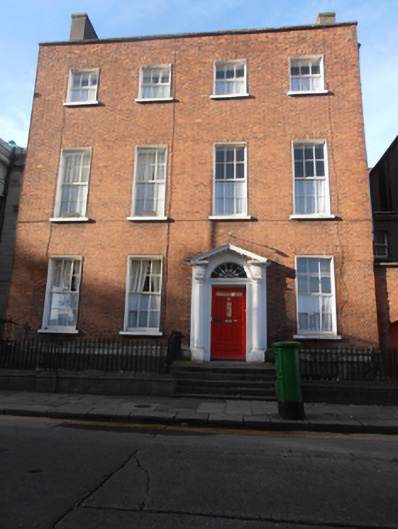
What is recorded here
Attached four-bay three-storey presbytery over raised basement, built c.1825. Built in association with adjacent Pro-Cathedral. Camber carriage arch to single-storey curtain wall to north. M-profile pitched slate roof behind parapet with squared granite coping and terracotta ridge tiles. Rendered chimneystacks to each gable, replacement downpipes to side (north and south) elevations. Red brick walling laid down in Flemish Bond, granite ashlar walls to basement level with moulded granite ashlar plinth course above. Square-headed window openings with gauged brick voussoirs, patent rendered reveals, granite sills and timber sliding sash windows. Three-over-three pane arrangements to third floor, six-over-six to ground and first floors, two-over-two to the basement with iron grille. Round-headed door opening within pedimented painted stone doorcase in the Pain style. Timber panelled door flanked by Doric columns to stepped lintel cornice, decorative leaded fanlight within open pediment supported on fluted square caps, floral motifs to pediment soffit. Door opens onto granite platform with cast-iron boot-scrape and five granite steps. Platform and basement area enclosed by replacement wrought-iron railing on moulded granite plinth wall. Street-fronted. Post box dating from reign of Edward VII to fore.
Marlborough Street was opened up from 1700 by the Moore family, earls of Drogheda, and named in honour of the Duke of Marlborough who was actively fighting wars at this period. This presbytery is adjacent to Saint Mary's Catholic Pro-Cathedral which was opened in 1825. Like many Catholic churches built before Catholic Emancipation (1829), the Pro-Cathedral, intended as a temporary cathedral, is located discreetly down a side street. While the Pro-Cathedral was under construction for a period of more than ten years, the presbytery appears to date from the early years of the nineteenth century. Very well maintained, Pro-Cathedral House is a fine example of an early nineteenth-century townhouse and it is also of considerable social significance as representative of the changing role of the Catholic population in the nineteenth century.
This does not grant access. Most recorded buildings are privately owned; view them only from public ground unless the owner allows entry.
Places near here
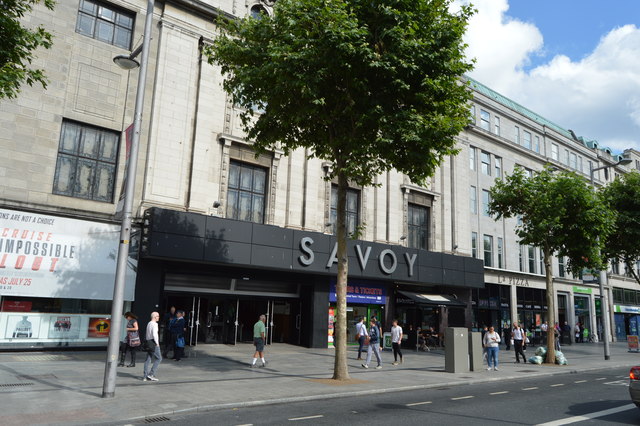 Savoycinema · 118 yd
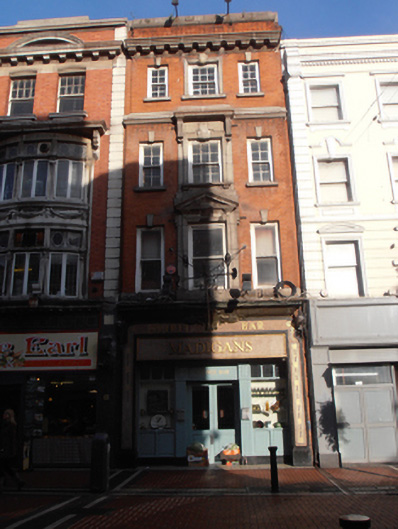 Madigan’s Barshop/retail outlet · 136 yd
 Theobald MathewMonument · 146 yd
 Father MathewMemorial · 176 yd
 Dublin LetteringHeritage attraction · 177 yd
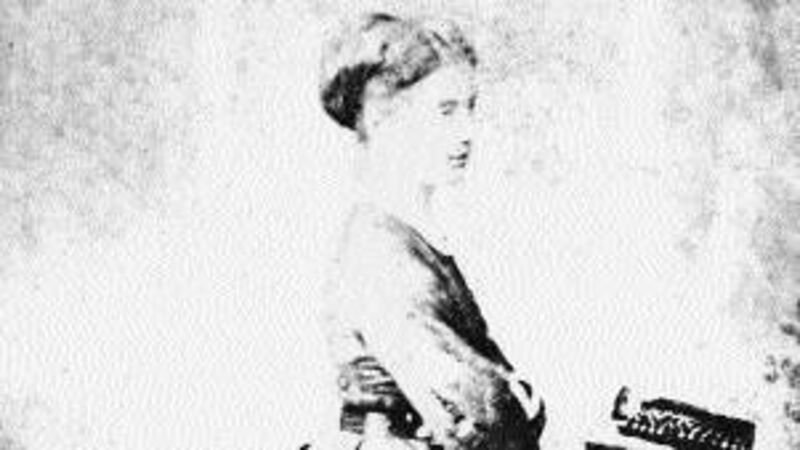 Anna ParnellMemorial · 238 yd
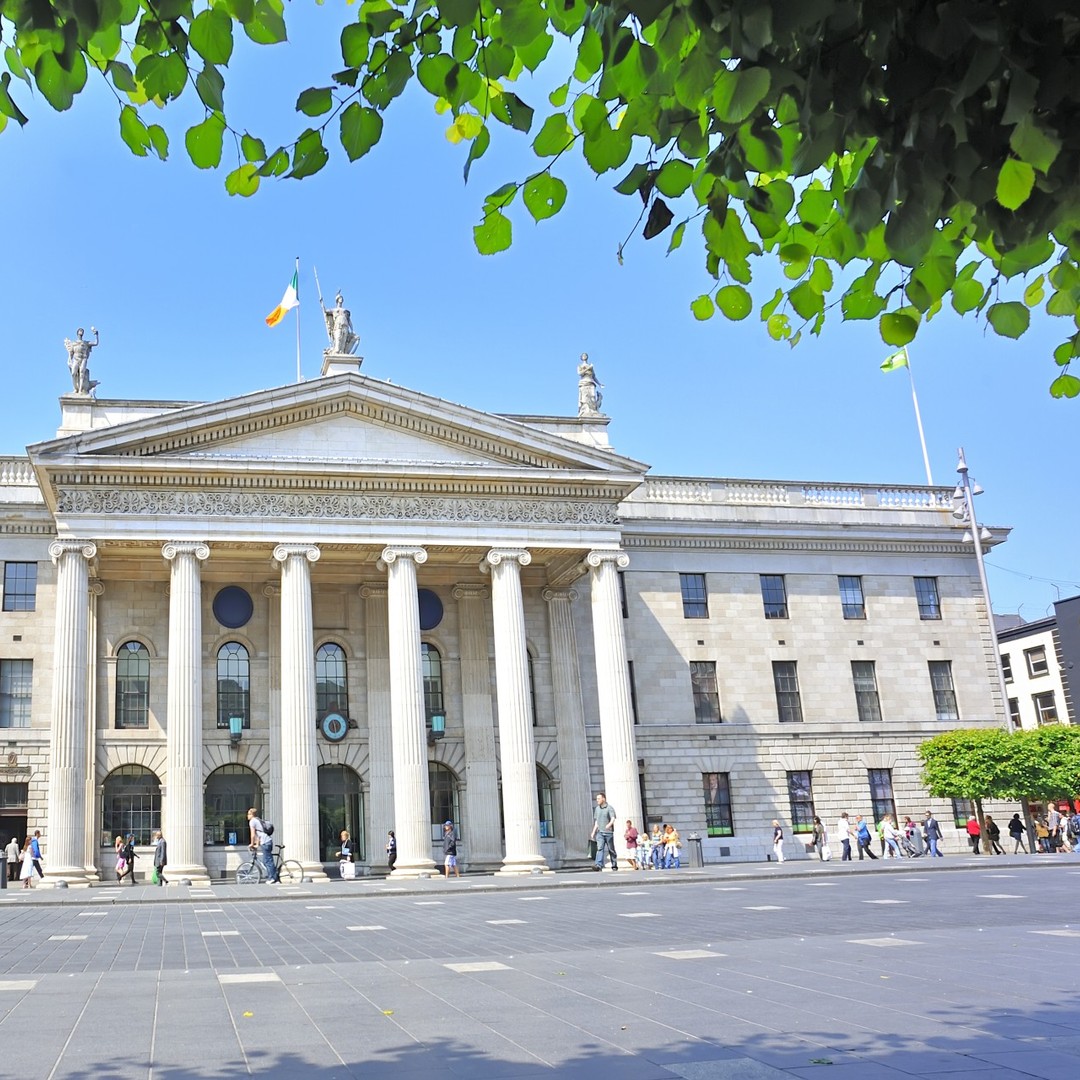 GPO MuseumMuseum · 243 yd
 CúchulainnMonument · 248 yd
 Burial ground in Unknown TownlandBurial ground · 429 yd
 Burning of the Custom Housearmed conflict · 524 yd
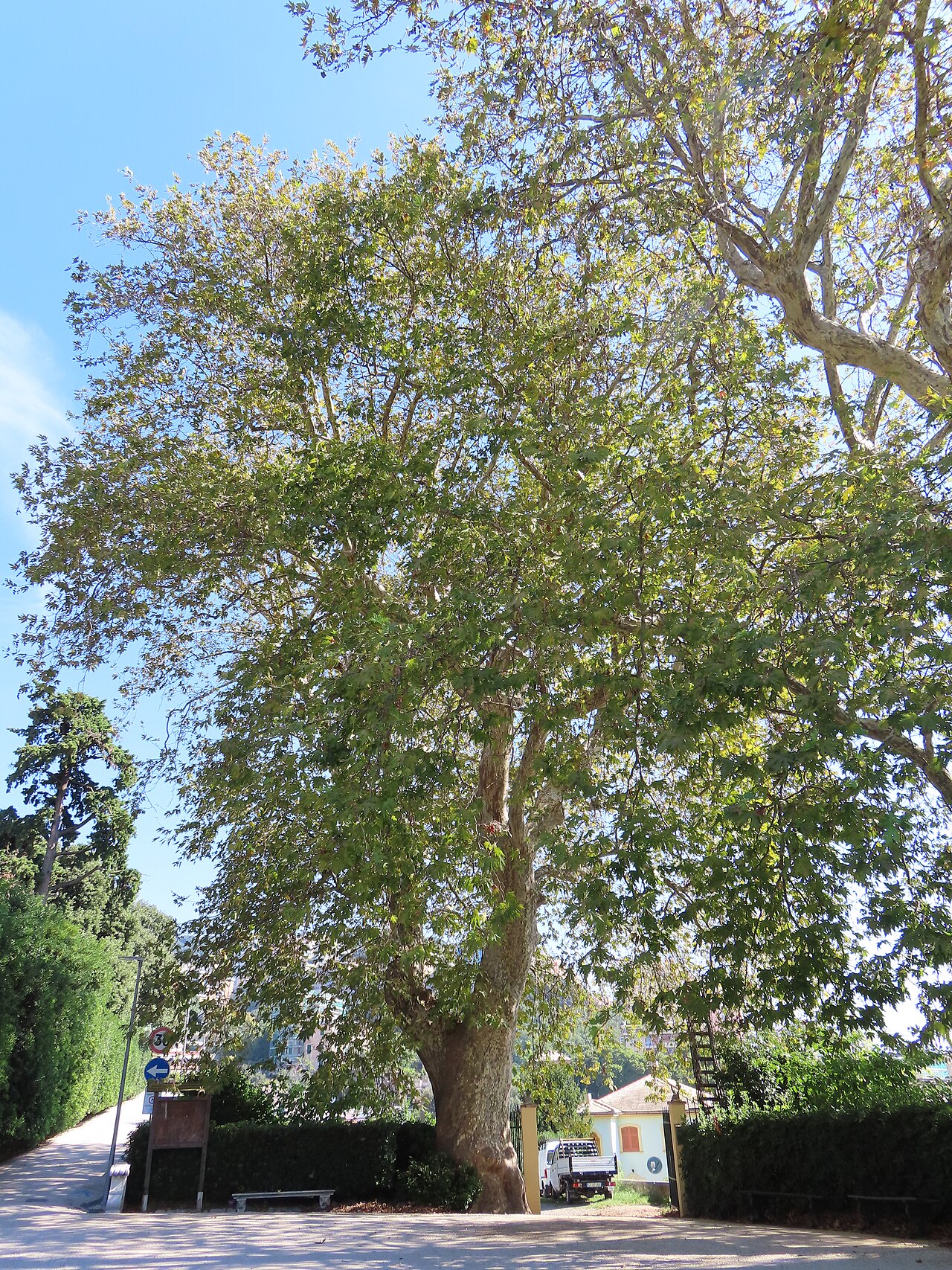 Oriental planeOriental plane · 858 yd
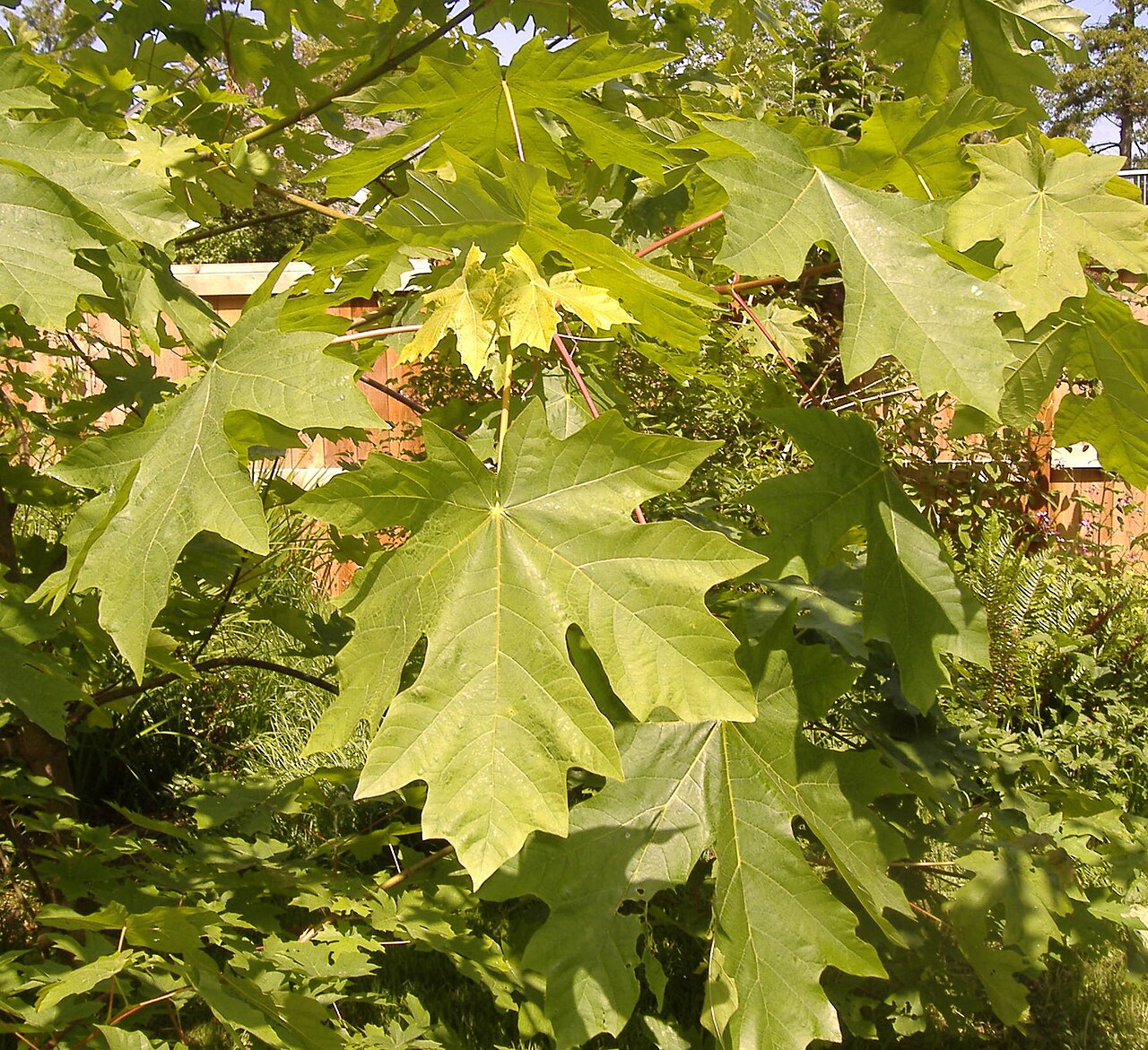 Bigleaf MapleBigleaf Maple · 859 yd
Other information
Photo: National Inventory of Architectural Heritage · Website use allowed for educational or private purposes with source credit