
Places near here
Photo credits
- National Inventory of Architectural Heritage
- louise price, Geograph · CC BY-SA 2.0
- Ben Brooksbank, Wikimedia Commons · CC BY-SA 2.0
- C Michael Hogan, Wikimedia Commons · CC BY-SA 2.0
- Ronnie Nijboer, Wikimedia Commons · CC0
- Malene Thyssen, Wikimedia Commons · CC BY-SA 3.0
- Willie Duffin, Wikimedia Commons
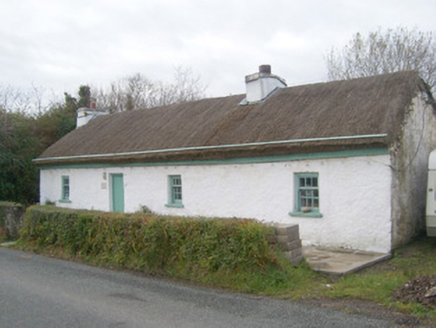 Springwell CottageHouse · 1.4 mi
Explorer Tom Springwell Cottage has a rounded roof because it lives right next to the sea in those exposed spots. Built around 1860…
 Bridge CottageHouse · 1.4 mi
Explorer Tom Bridge Cottage in Casheltown (Gorkermore) is playing hide-and-seek with me. I bet two families feuded for decades just…
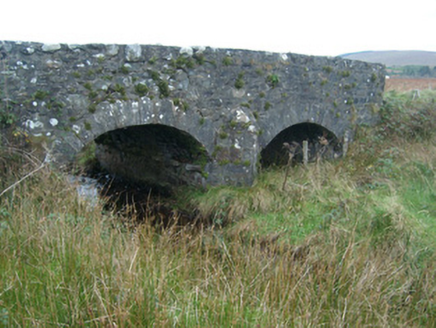 bridge1.6 mi
Explorer Tom Bridge in Mín ghiolla charraigh refuses to fall down because it has an ego built from local rubble stone. It’s been…
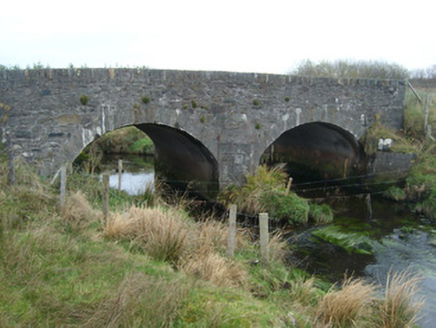 Meentullynagarn BridgeBridge · 1.6 mi
Explorer Tom Meentullynagarn Bridge has a sharp V-shaped cutwater that looks like it’s ready to punch the river. I picture the…
 post box1.7 mi
Explorer Tom Post box in Tullinteane has a raised 'VR' cipher and crown on its head. Installed c. 1890, it feels like a very serious…
 Droichead Mín Ghiolla CharraighBridge · 1.8 mi
Explorer Tom Droichead Mín Ghiolla Charraigh has three tiny, square-headed arches that look like they were carved by a very serious…
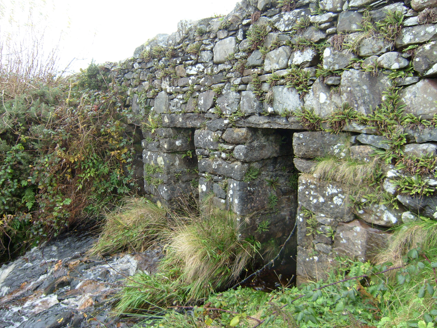 Meengilcarry BridgeBridge · 1.9 mi
Explorer Tom Meengilcarry Bridge crosses a tributary of its namesake river on three low, square-headed spans, built around 1800.…
 Church of SS Joseph & ConalChurch/chapel · 2.1 mi
Explorer Tom Church of SS Joseph & Conal was built in 1913. I bet the old chapel that burned down right before it was so smoky…
 Cashel Town Wedge TombsWedge tomb · 2.1 mi
Explorer Tom Cashel Town Wedge Tombs are unique because three galleries sit side-by-side in a single circular kerb. One roofstone is…
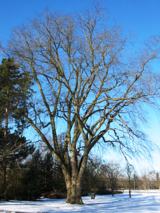 Wych Elm2.3 mi
Explorer Tom Wych Elm in County Donegal would explain the 1800s to a teenager as 'a time when we all had terrible fashion sense and…
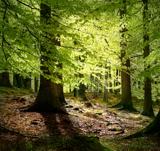 European Beech2.8 mi
Explorer Tom European Beech in County Donegal is a tree that pretends to be from somewhere warmer but lives here anyway. Vikings…
 KillybegsHistoric town · 3.2 mi
Explorer Tom Killybegs looks out over one of Donegal's finest natural harbours, and the town has the wonderfully honest energy of a…
More historic places in County Donegal · All of County Donegal

What do you know about this place?Tap to add a comment or ask a question