What is recorded here
According to Deery (1948, 102-3), Henry Morris found a stone-built chamber 10 feet (c. 3.05m) long (E-W) and 71/2 feet (c. 2.3m) wide when excavating a mound in this townland in 1927. Among the finds was a stone axe recovered from what appears to have been a disturbed context near the top of the mound. The mound, round in outline, stands immediately N of a roadside fence. It measures 8m N-S by 6m E-W and over 1m high. Its eastern edge has been removed to facilitate a gateway. When visited, in 1994, the mound was overgrown and difficult to examine. Some stones visible at the mound surface seemed to be set. However, their age and function were not clear. As they seemed to be set in the mound rather than in the old ground surface beneath, it is unlikely that they formed part of a megalithic chamber.
The above description was published in the 'Survey of the Megalithic Tombs of Ireland. Volume VI, County Donegal.' Compiled by: Eamon Cody (Dublin: Stationery Office, 2002).
Date of upload: 22 September 2008
Neolithic passage tomb, dating to approximately 3500–2500 BCE. Its stone-built chamber and associated artefacts, such as the stone axe, indicate its significance as a ritual or burial site from one of the earliest farming communities in the region.
The official description records surviving remains. Its missing or destroyed wording refers only to one part of this place or to a different nearby feature. The monument record does not grant public access. Check the route and ask the landowner before entering private land.
- What survives
- Visible or partial remains survive
Places near here
 Hamilton Mausoleummausoleum · 256 yd
 Thompson Mausoleummausoleum · 274 yd
 MurvaghOfficial bathing water · 1.1 mi
 Moneymore Small Fairy FortFairy fort / earthen ringfort · 1.1 mi
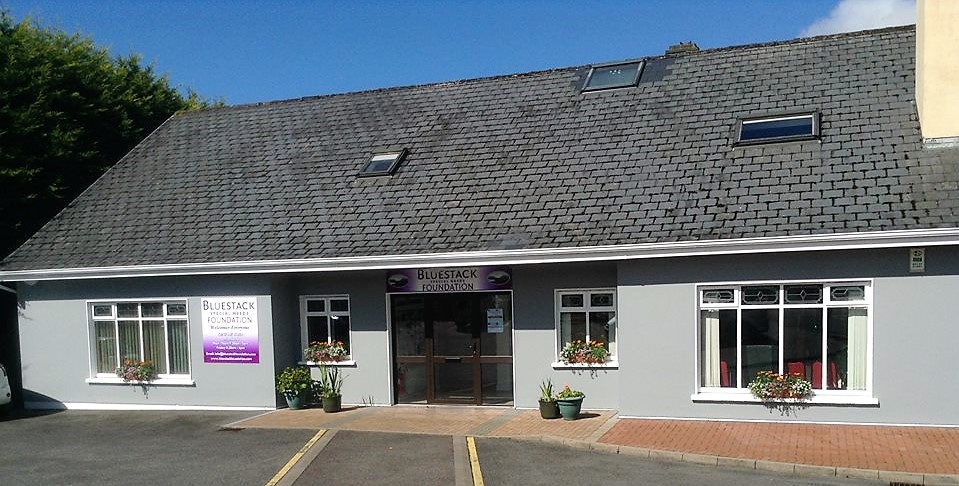 Inishfad EnclosureEnclosure · 1.2 mi
 Castle (Site of)Castle, unclassified · 1.6 mi
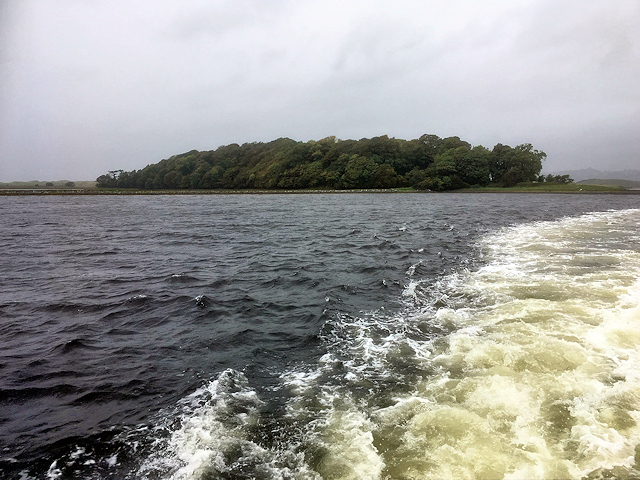 Rooney's IslandIslet · 2.5 mi
 RossnowlaghOfficial bathing water · 3.3 mi
 Ballyboyle Castle (Site of)Castle, tower house · 3.4 mi
 Ballyboyle IslandIslet · 3.5 mi
 Salthill GardensHeritage attraction · 3.5 mi
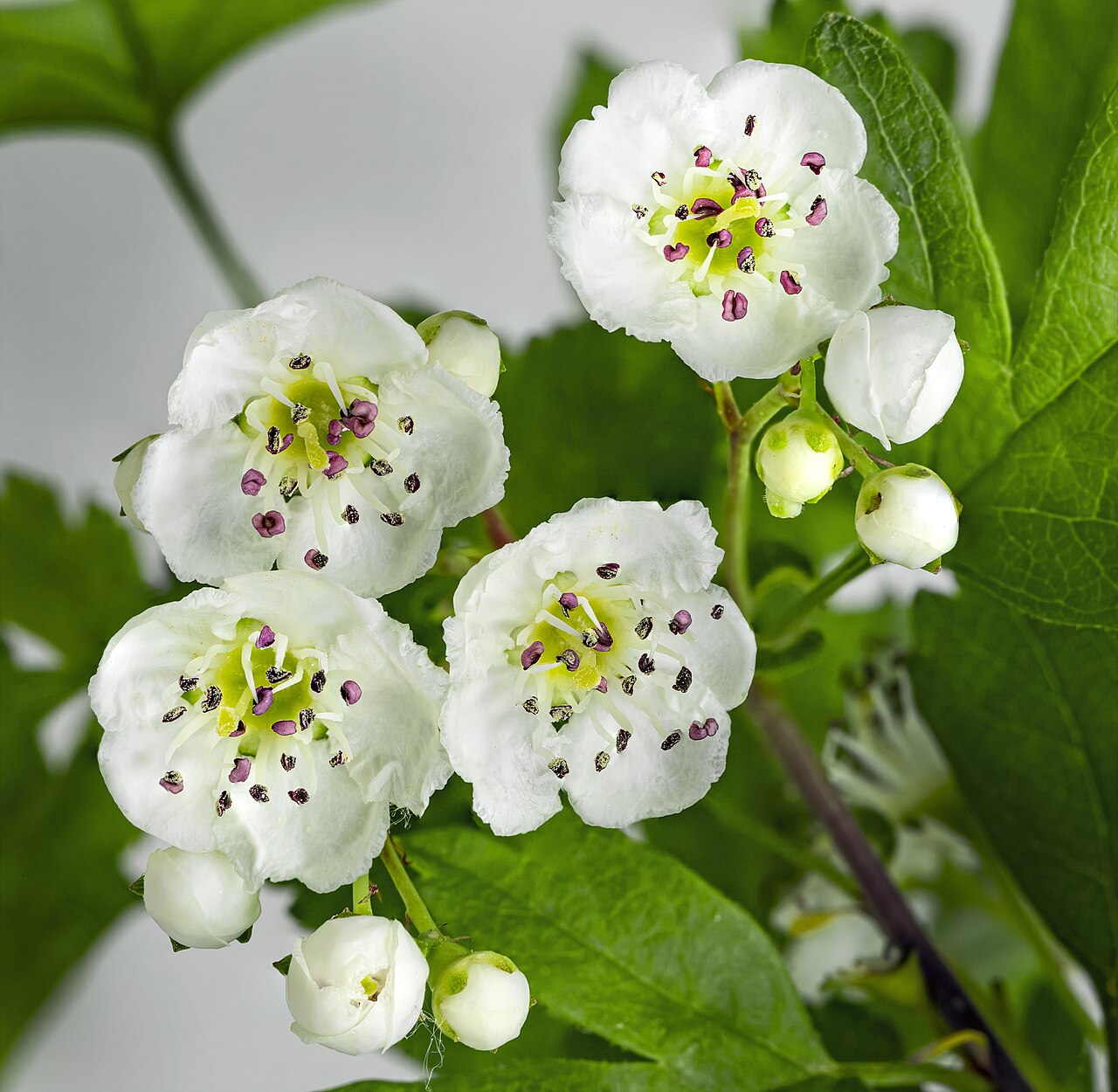 HawthornHawthorn · 3.7 mi