What is recorded here
Quarry straps pulled back the topsoil of Boston Hill in 2001, exposing charcoal-rich pits and copper or iron slag along a south-eastern arc. The arrangement suggests makers were placing their fires to catch sunlight and avoid the prevailing wind. They may have worked there any time from 500 BC to AD 1500, and the buried workshop still warm in imagination.
Identified in 2001 through the monitoring of topsoil-stripping on the E slope of Boston Hill (OD 538 feet) to facilitate the expansion of a quarry (Excavations 2001, No. 638, 01E0916: www.excavations.ie). Archaeological deposits were uncovered in seven areas: Area 1 (Designated KD017-052----), Area 2 (Designated KD017-050----), Area 3 (Designated KD017-051----), Area 4 (Designated KD017-053----), Area 5 (Designated KD017-054----), Area 6 (Designated KD017-055----) and Area 7 (Designated KD017-056----). According to the excavator (SMR file), 'Following discussions with the client, it has been established that quarry works will not impact upon Areas 2 to 7 for an estimated 30 years. It may therefore be possible to provide archaeological mitigation for these areas in the form of preservation in situ.'
In Area 3 (KD017-051----), the archaeology was contained within an area of 3,750m2. There were at least 28 features, many of which appeared to be related to metalworking activities: a number of large pits with in situ burning around the edges and fills of charcoal-rich soil, containing large pieces of both iron and copper slag. It is probable that a full range of metalworking features, including pit furnaces, smelting furnaces and charcoal-burning pits, are represented in the area. The features appear to be sited along the same contour, their distribution curving in an arc around the south-eastern slope of he hill. This suggests that they were deliberately placed to avoid the prevailing south-west wind and to exploit maximum direct sunlight. No datable ceramics were uncovered and the slag revealed provides only a terminus post quem. With iron slag present the metalworking features could date from the Iron Age, although similar techniques remained in use until medieval times; therefore a broad date of between 500 BC and AD 1500 could apply.
Compiled by: Gearóid Conroy
Date of upload: 10 June 2011
The monument record does not grant public access. Check the route and ask the landowner before entering private land.
- What survives
- Recorded monument
Places near here
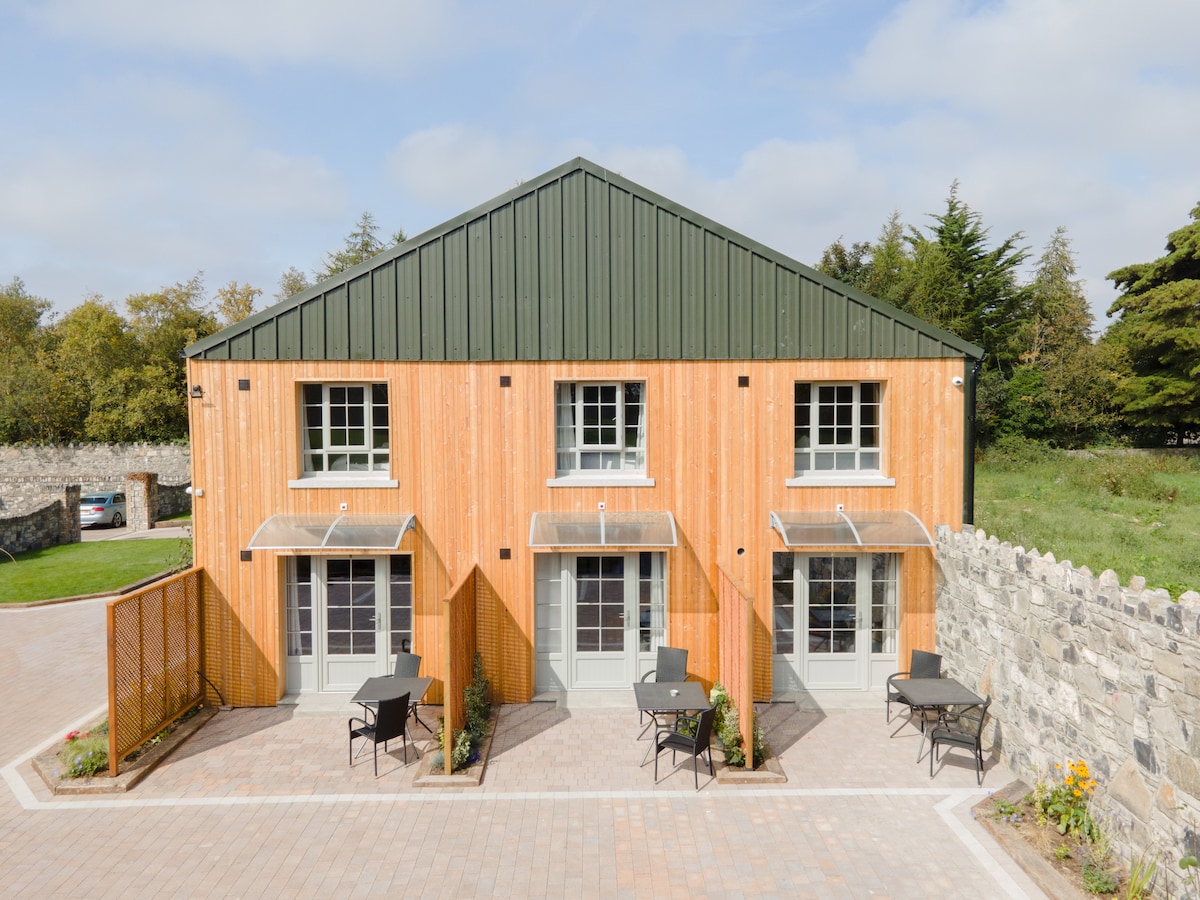 Enclosure in ConlanstownEnclosure · 527 yd
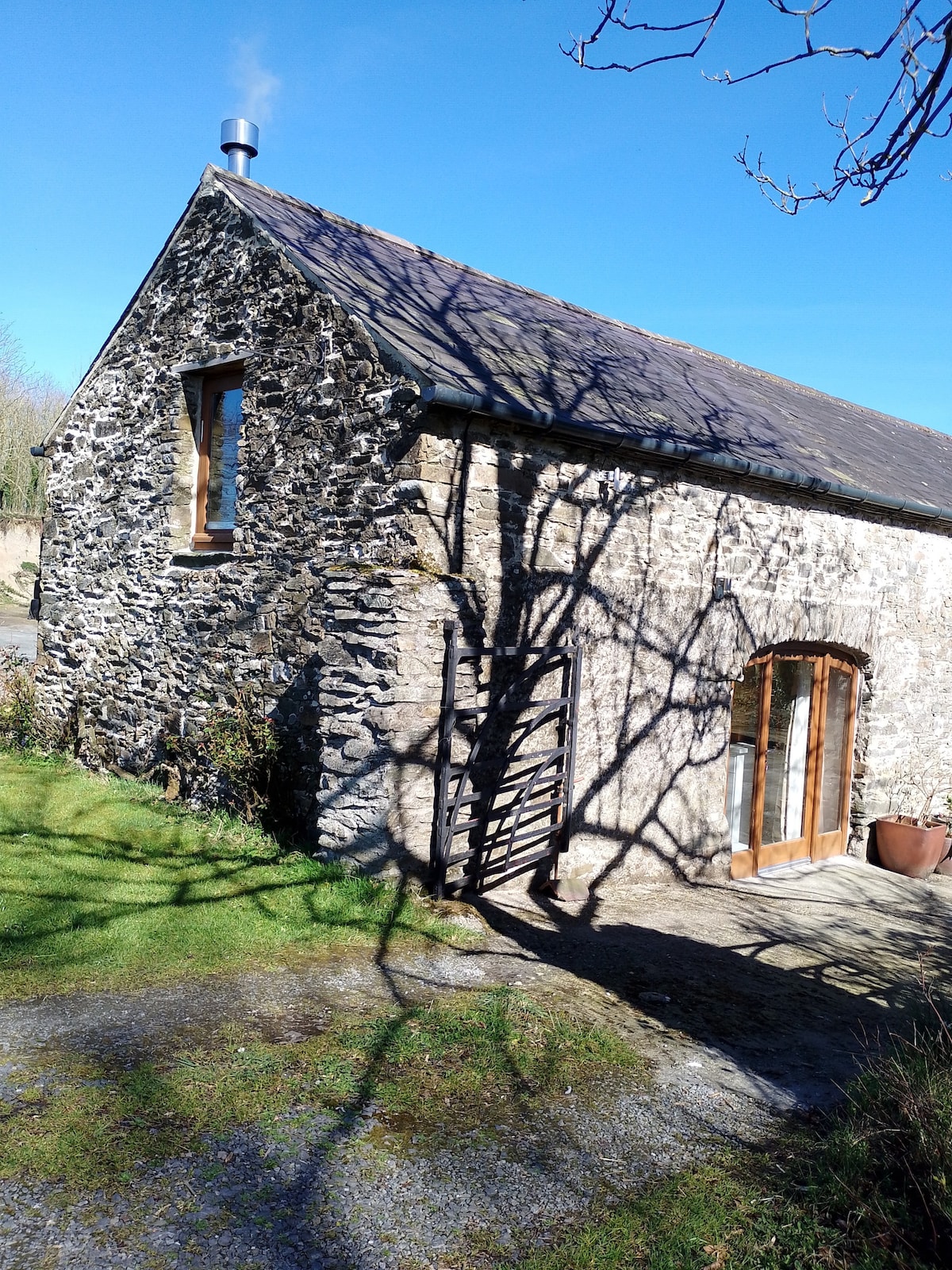 Enclosure in Kilmoney NorthEnclosure · 1500 yd
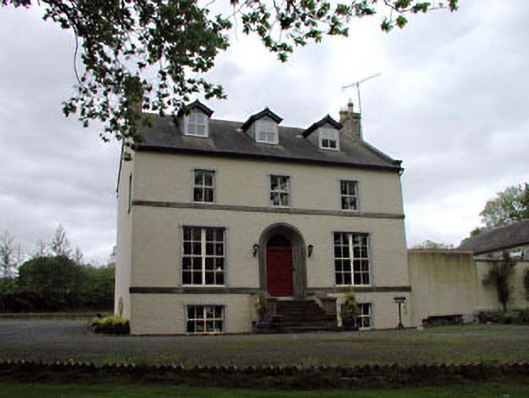 Glebe Houserectory/glebe/vicarage/curate's house · 1595 yd
 Church in Kilmoney NorthChurch · 1657 yd
 Chair of KildareCastle, unclassified · 1.3 mi
 Bithia Mary CrokerMemorial · 2.9 mi
 Site of CastleCastle, tower house · 3.1 mi
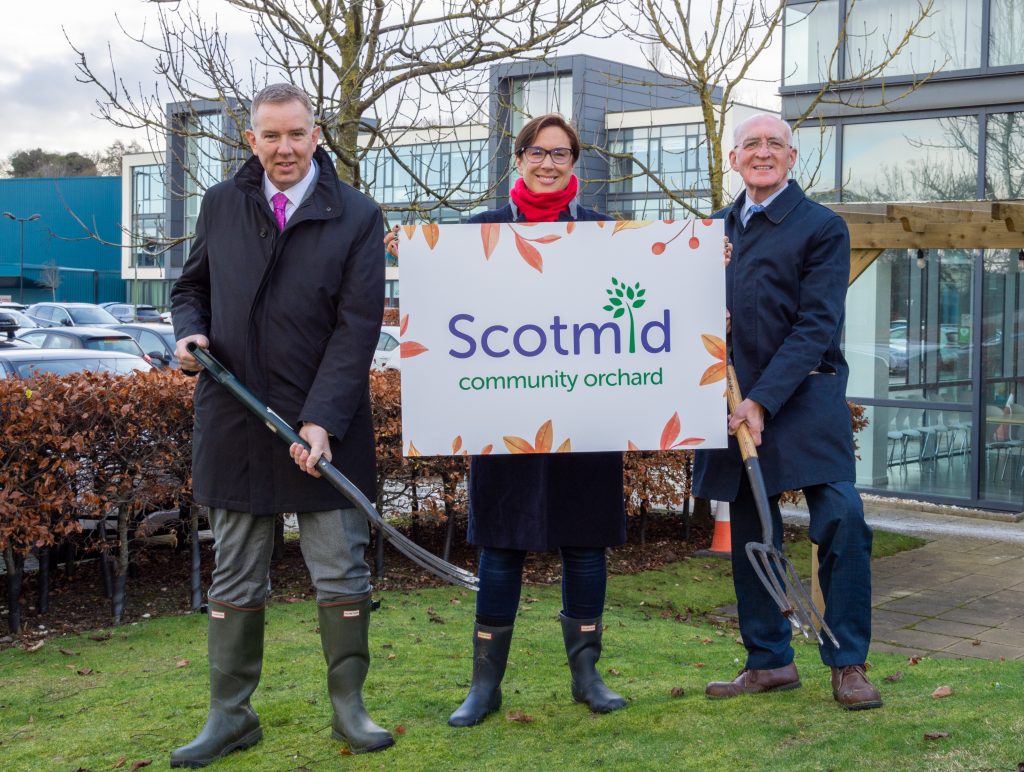 Community OrchardNature reserve · 3.3 mi
 Killinthomas Wood (Rathangan)Wood · 3.4 mi
 Lullymore Heritage ParkHeritage attraction · 3.6 mi
 The Fairy BowerHeritage attraction · 3.6 mi
 Grand Canal WayVisitor information · 5.8 mi