What is recorded here
Megalithic tombs in Donegal belong to the Neolithic, when people first stopped moving and began building memory into stone. In Golard, moyne, that ancient impulse still stands: large rocks set across open ground, not hidden, not decorated, but made to remain. The tomb may have marked a family line, a burial place or a boundary between living land and dead land. Whatever it recorded, it recorded without warning. That is why it still feels like the region speaking rather than a museum displaying something dead.
The Archaeological Survey of Ireland (ASI) is in the process of providing information on all monuments on The Historic Environment Viewer (HEV). Currently the information for this record has not been uploaded. To access available information for research purposes please make an appointment in advance with the Archive Unit (open Fridays 10.00 am – 5.00 pm), Department of Housing, Local Government and Heritage, The Custom House, Dublin 1 D01W6XO or email NMarchive@housing.gov.ie.
The monument record does not grant public access. Check the route and ask the landowner before entering private land.
- What survives
- Recorded monument
Places near here
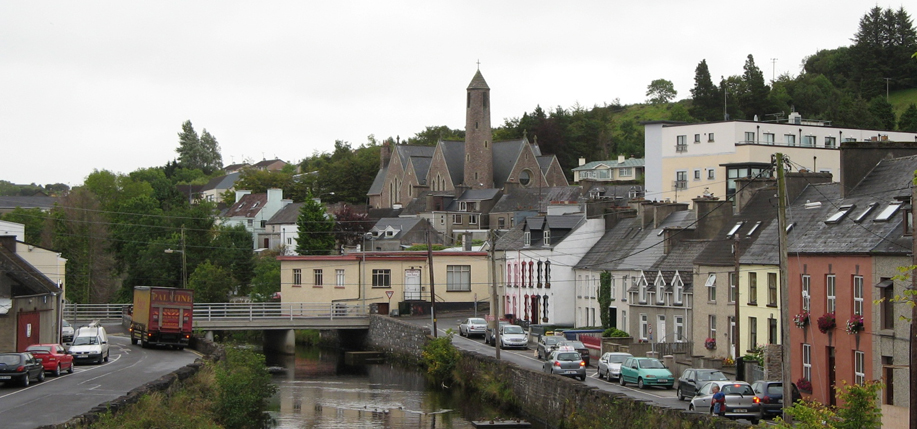
 Ballykillowen Bridgebridge · 1005 yd
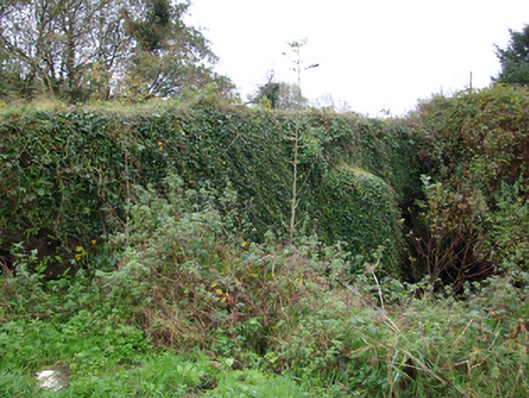
 Enclosure in CuillyEnclosure · 1011 yd
 Raneany East Multi-Banked Fairy FortFairy fort / earthen ringfort · 1328 yd
 Cuilly Orange HallOrange Hall · 1332 yd
 Horse-chestnutHorse-chestnut · 2.8 mi
 Four Masters MemorialMemorial · 2.9 mi
 Donegal Friary GraveyardGraveyard · 2.9 mi
 Donegal Railway Heritage CentreMuseum · 3.0 mi
 Donegal CastleMuseum · 3.0 mi
 Siege of Donegalsiege · 3.0 mi
 Ballyboyle IslandIslet · 3.5 mi
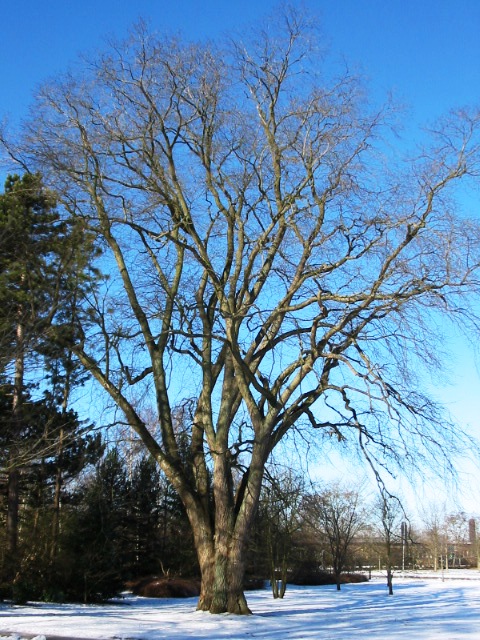 Wych ElmWych Elm · 3.5 mi