What is recorded here
Eugene O’Curry, writing in 1838, recorded that ‘There is a place in Ballenambuddagh Townland called the Giant’s Grave, but no vestige whatever of a grave remains.’ (OSL, Co. Wicklow, 80). The precise nature and location of this potential monument are unknown and it cannot, without further evidence, be accepted as the remains of a megalithic tomb. Kenny (1985, 147) has suggested that this may be identified with the ‘heap of stones at Windgate in the county of Wicklow’ noted by Sir James Ware and published in 1705 in the English translation of his Antiquities (1705, 153). Walter Harris, in his edition of the works of Ware, describes it as ‘vast’ (1749, ii, 140-1, 202). This, undoubtedly, is the source of the reference to the ‘cairn of vast dimensions’ at Windgate mentioned in Brewer’s Beauties of Ireland (1825, 282) and which O’Curry could find no knowledge of locally in 1838 (OSL, Co. Wicklow, 92). Although the townland of Ballynamuddagh lies immediately N of the village of Windgate, in this writer’s opinion, it is not certain that O’Curry’s ‘giant’s grave’ and Ware’s ‘heap of stones’ are one and the same monument. (Ware 1705, 153; Harris 1749, 140-1, 202; OS Letters, Co. Wicklow, 80; Stokes 1878, 145 (Delgany may refer); Price 1934, 38; Price 1957, 326; Kenny 1985, 147)
Compiled by: Paul Walsh
Date of upload: 23 November 2012
Megalithic tomb; likely Neolithic in origin. Its significance lies in its early literary reference by Eugene O’Curry, though no physical remains are known to survive.
The monument record does not grant public access. Check the route and ask the landowner before entering private land.
- What survives
- Recorded monument
Places near here
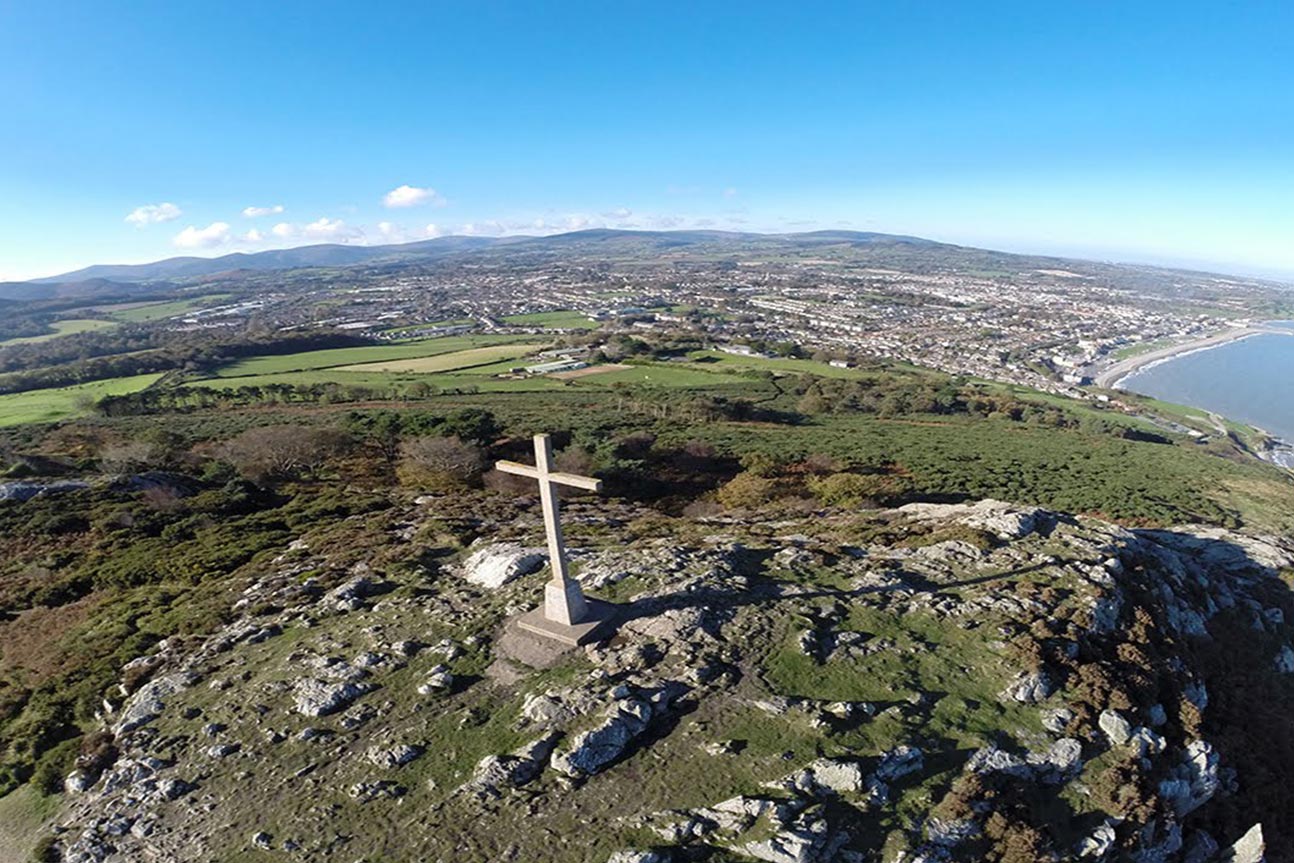 Bray Head LoopWalking route · 206 yd
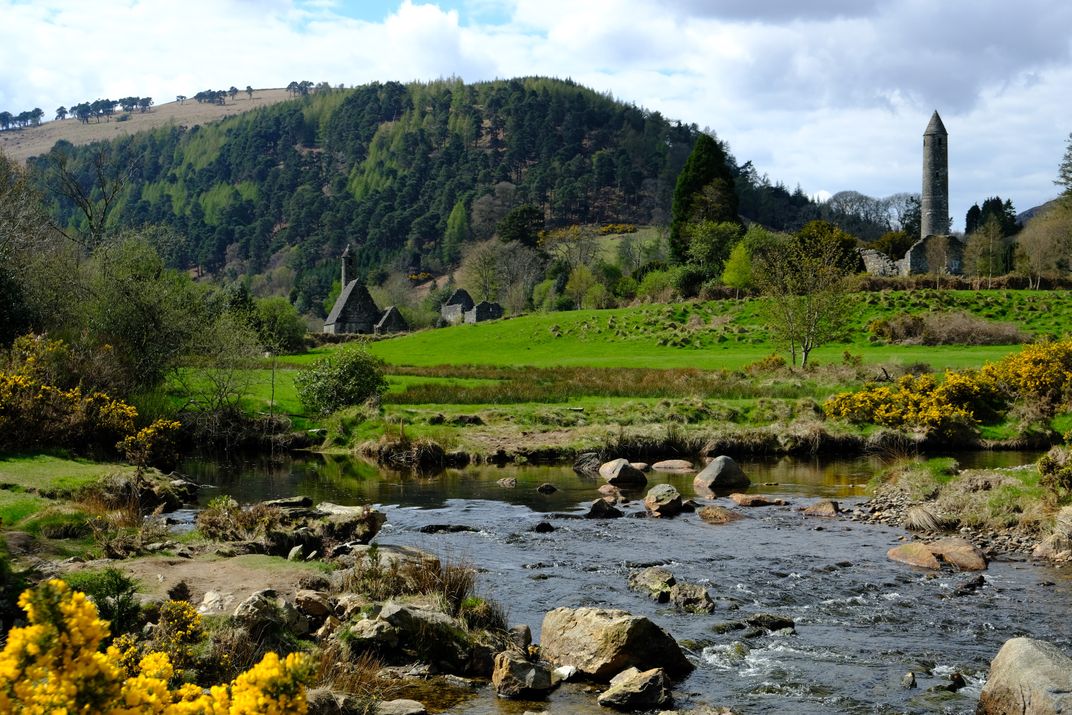 Manweiler's WoodWood · 597 yd
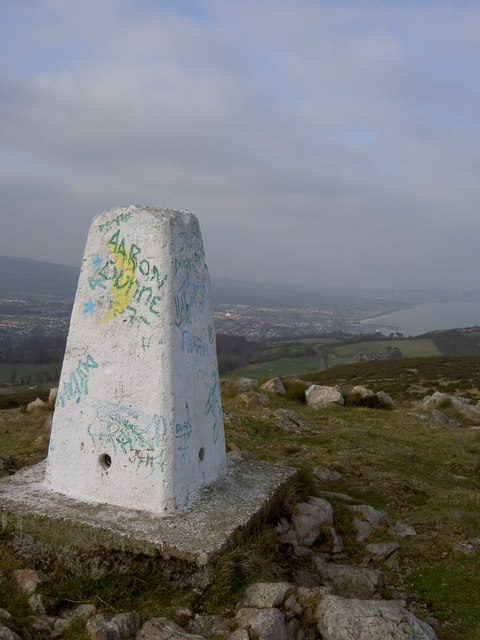 Bray Head HillMountain / peak · 752 yd
 The ShaftCliff · 822 yd
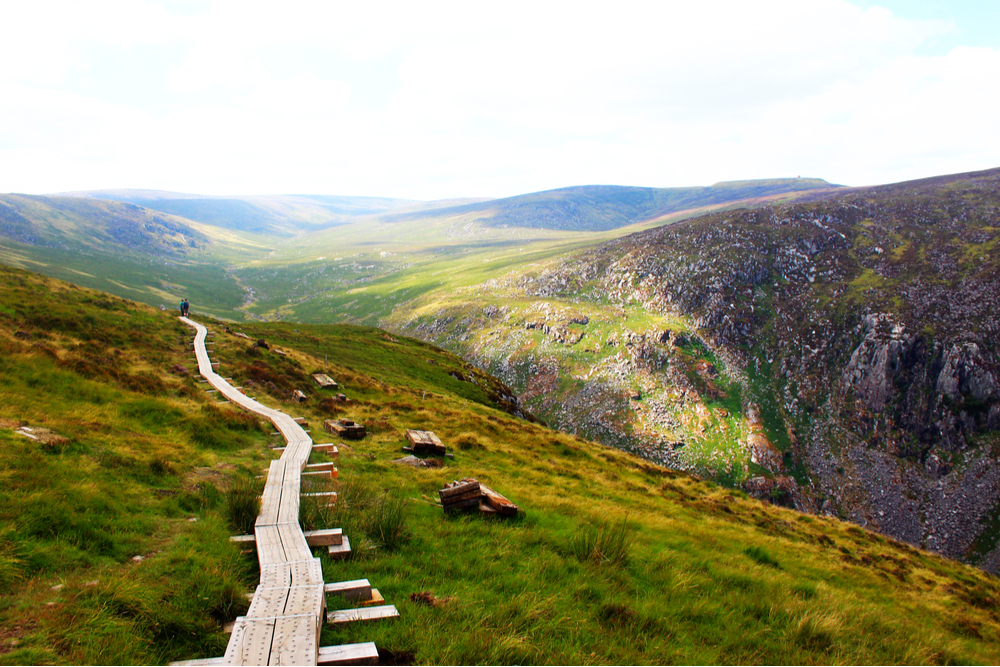 Streaky SlabCliff · 902 yd
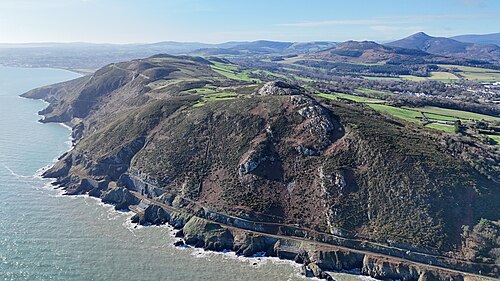 Bray HeadMountain / peak · 931 yd
 Killrudderygate lodge · 1050 yd
 KilrudderyHouse, 16th/17th century · 1076 yd
 Kilruddery House and GardensHeritage attraction · 1091 yd
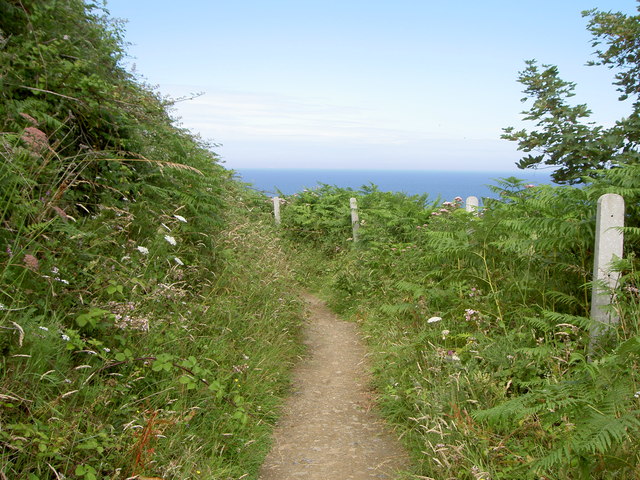 Bray Greystones ViewViewpoint · 1276 yd
 Bray Greystones Cliff WalkWalking route · 1514 yd
 Naylor's CoveBeach / strand · 1544 yd