
Places near here
Photo credits
- National Inventory of Architectural Heritage
- Nialljpmurphy, Wikimedia Commons · CC BY-SA 4.0
- Joe King, Wikimedia Commons
- Olivier BEZES, Wikimedia Commons · CC BY 2.5
- Sitomon, Wikimedia Commons · CC BY-SA 2.0
- D18Jessica, Wikimedia Commons · CC BY-SA 4.0
- Laurel Lodged, Wikimedia Commons
 Moravian CemeteryGraveyard/cemetery · 346 yd
Explorer Tom Moravian Cemetery in Kilmashogue has been keeping secrets since 1750. It’s full of flat grave markers and a pointed gateway that looks like it wants to let you peek at John Cennick’s followers resting easy.
 Whitechurch ChurchChurch/chapel · 347 yd
Explorer Tom Whitechurch Church in Kilmashogue is standing there since 1827 looking all serious and granite-y. It’s got a needle spire that probably stabs the clouds. The Guinness family used to hang around here, so watch out!
Cross in KilmashogueCross · 404 ydExplorer Tom Cross in Kilmashogue is known as the wartstone and has a small inscribed cross with the letters IL on it. It’s a roadside boulder with a rectangular mortice, probably waiting for a shaft that never showed up. Give it a pat on the way past, it's had a long life of waiting.
 Marlay ParkPark · 525 yd
Explorer Tom If I promise a quick walk through Marlay, remind me what my legs promised last time. Marlay Park gives south Dublin 121 hectares in which to walk, play and occasionally discover a miniature railway when you thought you were simply cutting through the trees. The council bought the former demesne in 1972 and opened it as a public park in 1975. Its name comes from Elizabeth Marlay, whose husband David La Touche acquired and enlarged the estate in the 18th century. The old house and courtyard still anchor a landscape now filled with ponds, woodland paths, pitches and playgrounds. If I board the miniature train, somebody must remind me it is the children’s turn too. Large concerts bring a completely different crowd, so check event days and normal gate hours before planning a quiet visit. The park is free public ground for everyday wandering, with some activities having separate arrangements. Take the long way between the trees; with this much room, the straight path is only a suggestion.
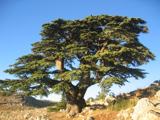 Lebanon Cedar676 yd
Explorer Tom Lebanon Cedar in County Dublin smells like expensive soap and old money, according to Tom, who has never been there but knows everything. It’s trying too hard to be fancy for a tree that just wants to stand still. Ring your granny and tell her where you are before you get lost in the scent.
Start / End Point Wicklow WayVisitor information · 959 ydExplorer Tom Start / End Point Wicklow Way is where a bishop refused to visit because he said the sign was too close to his head, so now it’s haunted by his ego and the smell of old incense. It’s a bit like standing at the edge of the world except the world is actually just more walking and possibly some very confused sheep. Stand there long enough and someone will ask if you're lost.
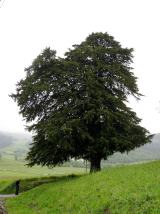 European Yew1055 yd
Explorer Tom European Yew: Legend says a queen once visited this yew and left a promise she never kept, which explains its long face. It’s been waiting for that royal apology for centuries while just standing there looking stern and slightly judgmental. Go with someone who loves old stuff and watch them melt.
Flat cemetery in EdmondstownFlat cemetery · 1412 ydExplorer Tom Flat cemetery in Edmondstown was found by golfers doing landscaping work back in 1950. They uncovered cist burials with cremations and food vessels on an esker ridge, proving that even a good game of golf can kick up some ancient bones if you're not careful.
ObeliskMemorial · 1467 ydExplorer Tom Obelisk in County Dublin marks the spot where a priest once lost a bet to a baker over who could jump higher. The stone is still trying to clear the bar while everyone else walks past it confusedly. It’s quite smug about its victory. Take the long way round, it deserves the effort.
 Kilmashogue Wedge TombArchaeological place · 1613 yd
Explorer Tom Kilmashogue Wedge Tomb in County Dublin has a one-legged crow that refuses to leave, claiming it’s the guardian of the ancient stones. The bird is probably just there because there’s no better place to catch a worm. Find a local and ask them the real story, then come back and tell me.
 St Enda's ParkPark · 1659 yd
Explorer Tom St Enda's Park was once a school where a walk among trees could count as part of the lesson, a system I would have supported with suspicious enthusiasm. The main Rathfarnham house began as The Hermitage in 1760. Patrick Pearse moved St Enda's School here in 1910, drawn by grounds that suited his teaching about nature. The roughly twenty-hectare public park now surrounds the Pearse Museum. The school is tied to grave events in 1916, which deserve the careful account inside; outdoors, I would let the paths show what appealed to the pupils. Check park gates and museum hours separately, and keep to public paths. Look from the house towards the trees. Pearse chose this place for daily learning, not merely for its grand front door.
WhitecliffVisitor information · 1731 ydExplorer Tom Whitecliff has been in a feud with the rain for as long as anyone can remember. It’s a spot that looks like it wants to be a cliff but ended up being a recreation ground, so sit on a wall near it and pretend you're in a painting because the scenery is definitely trying its best to look artistic.
More things to do in County Dublin · All of County Dublin

What do you know about this place?Tap to add a comment or ask a question